
Ingredients
Meat
- 10 kgbeef, in large flat cuts
- ribs, flank, brisket and rump
- 500 gcoarse salt
- black pepper
Sometimes used
- beer or lemon juice, for basting
- crushed garlic
- a little oil
The fire
- hardwood logs
- or good charcoal
- wooden stakes, varas
- or metal skewers
To serve
- cassava bread or arepas
- guasacaca sauce
- lime wedges
Directions
- Use large flat cuts rather than small pieces. Lean cuts dry out over such a long cook. Rub coarse salt generously over every surface. Use far more salt than seems reasonable. Let the meat sit salted for at least an hour.
- Season it with black pepper as well. Use hardwood logs where you can get them. Let it burn down for at least an hour. Keep a second fire going to supply embers. That way the main fire never dies down.
- Keep water or sand within reach at all times. Never cook this near buildings or fences. Keep children well back from the stakes. The stakes themselves get extremely hot.
- Set them at an angle leaning towards it. Soak wooden stakes in water first if you use them. Set the stakes about fifty centimetres from the embers.
- Hold your hand where the meat will sit. You should be able to hold it there for six seconds. Leave the meat to cook slowly on the stakes. Turn each stake around every thirty minutes. Move them further out if flames rise up.
- Brush the meat with beer or lemon juice. Do this about every hour or so. Cut into the thickest part to check. The meat should be tender and juicy inside. Take the stakes away from the fire.
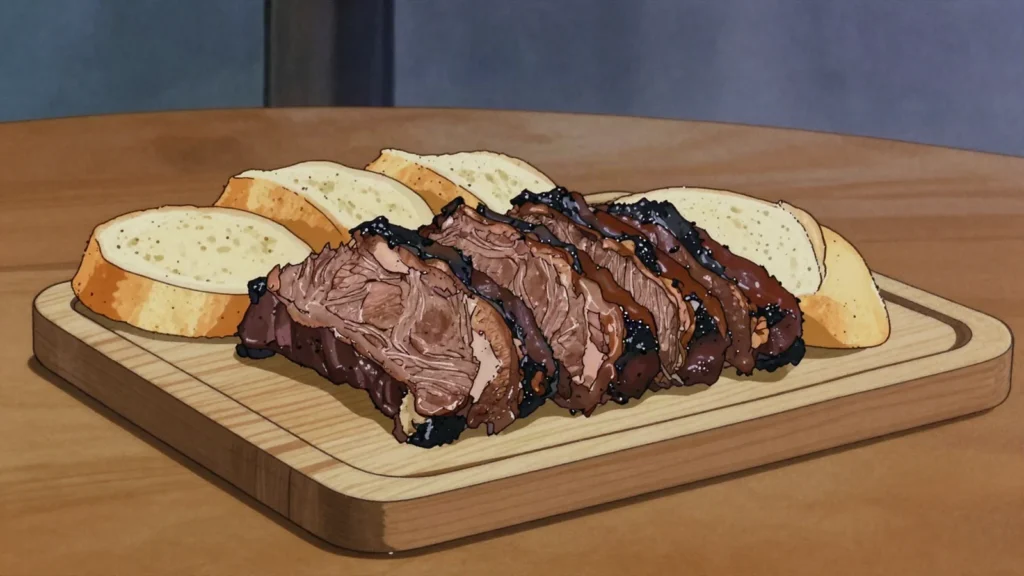
- Let the meat rest for fifteen minutes. Serving it is done straight off the stake. Carve it into thick slices on a board. Serve cassava bread or arepas alongside. Leftovers keep three days refrigerated.
Technique
- The llanos are the cattle plains of Apure, Barinas and Guarico, and this is the roast cooked there at cattle fairs and rural fiestas.
- The meat is held at a distance from the fire on stakes and cooks by radiant heat rather than on a grill.
Substitutions
- Metal skewers hold heavy pieces more reliably than wooden stakes.
- Good charcoal can replace hardwood logs, though the smoke flavour is different.
Variations
- Whole animals are cooked this way at larger gatherings.
- Argentine asado al asador uses the same principle with a metal cross.
- Some cooks baste with beer or lemon juice through the cook.
History
The cattle-country roast of Apure, Barinas and Guarico, cooked llanero style at cattle fairs and rural fiestas.
Frequently asked questions
What is Carne en vara?
Carne en vara is a main from Venezuela: beef staked on wooden poles around a fire and roasted slowly. The cattle-country roast of Apure, Barinas and Guarico, cooked llanero style at cattle fairs and rural fiestas.
How long does Carne en vara take to make?
Carne en vara takes 1 hour plus salting of preparation and 4 to 6 hours of cooking. The recipe makes serves 20 or more. It is rated hard to make.
What can I substitute in Carne en vara?
Yes, within limits. Metal skewers hold heavy pieces more reliably than wooden stakes. Good charcoal can replace hardwood logs, though the smoke flavour is different.
What is the most important thing to get right in Carne en vara?
Use large flat cuts rather than small pieces. Lean cuts dry out over such a long cook. Rub coarse salt generously over every surface. Use far more salt than seems reasonable. Let the meat sit salted for at least an hour.