
Ingredients
Batter
- 200 gplain flour
- 700 mldashi, cooled
- 2eggs
- 1 teaspoonlight soy sauce
- 1 teaspoonbaking powder
- 1/2 teaspoonsalt
Filling
- 300 gcooked octopus, in 1 cm dice
- 4spring onions, finely sliced
- 4 tablespoonstenkasu, tempura scraps
- 3 tablespoonsbeni shoga, pickled red ginger, chopped
To finish
- takoyaki sauce, or a thinned tonkatsu sauce
- Japanese mayonnaise
- aonori, dried green seaweed
- katsuobushi, dried bonito flakes
Equipment
- a takoyaki pan, cast iron or electric
- two metal picks or skewers
- oil, for greasing
Directions
- Let them sit for a full minute before biting into one. Making the batter is easy and it should be thin. Whisk the eggs with the cooled dashi and the soy sauce. Sift the flour, baking powder and salt into a bowl.
- Pour the liquid into the flour gradually, whisking as you go. The batter should be much thinner than pancake batter. Strain it through a sieve to catch any lumps. Let it rest for twenty minutes before cooking. Pour it into a jug, which makes filling the pan far easier. Preparing the fillings takes only a few minutes.
- Cut the cooked octopus into one centimetre dice. Raw octopus needs long simmering to become tender. Slice the spring onions as finely as you can. Chop the pickled ginger roughly. The pan must be genuinely hot before any batter goes in.
- Heat it over a medium flame for several minutes. Brush every well generously with oil. Brush the flat surface between the wells as well. Batter spills across that surface and must not stick. Pour batter into every well until it is full. Then keep pouring so it floods across the whole pan. Drop a piece of octopus into each well. Scatter spring onion, tenkasu and ginger over everything.
- Work quickly because the batter sets within a minute. Turning them is the technique that takes practice. Let the batter cook for two or three minutes. The edges in each well should be visibly set. Take a metal pick in each hand. Cut through the overflow batter between the wells.
- Score it into a grid so each ball has its own portion. Turn it ninety degrees so the raw side faces down. Work around the whole pan doing the same thing. Then let them cook for another two minutes.
- Turn each one another ninety degrees. Keep turning them every minute or so. They need about eight to ten minutes in total. Pile them into a tray or onto a plate. Brush takoyaki sauce over the top of them. Sprinkle aonori generously over everything. Finish with a handful of bonito flakes. Serving them is done immediately and very hot. Let each one cool for a moment before biting into it.
Technique
- Tenkasu are the crisp scraps of batter left over from making tempura, sold in bags in Japanese shops.
- They add both crunch and fat to the inside of the ball and are not really optional in a proper takoyaki.
Substitutions
- Cooked prawn, squid or even cheese and sausage are used as fillings in modern shops.
- Instant dashi powder makes an acceptable stock if you are not making it from kombu and bonito.
Variations
- Akashiyaki from nearby Akashi is an older, eggier, softer ball dipped in clear dashi broth.
- Some Osaka stalls serve takoyaki plain with only salt, which shows off the batter.
- Negi takoyaki is buried under a heap of raw spring onion and ponzu.
History
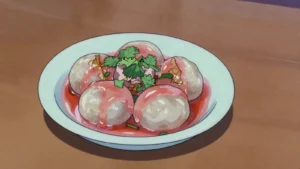
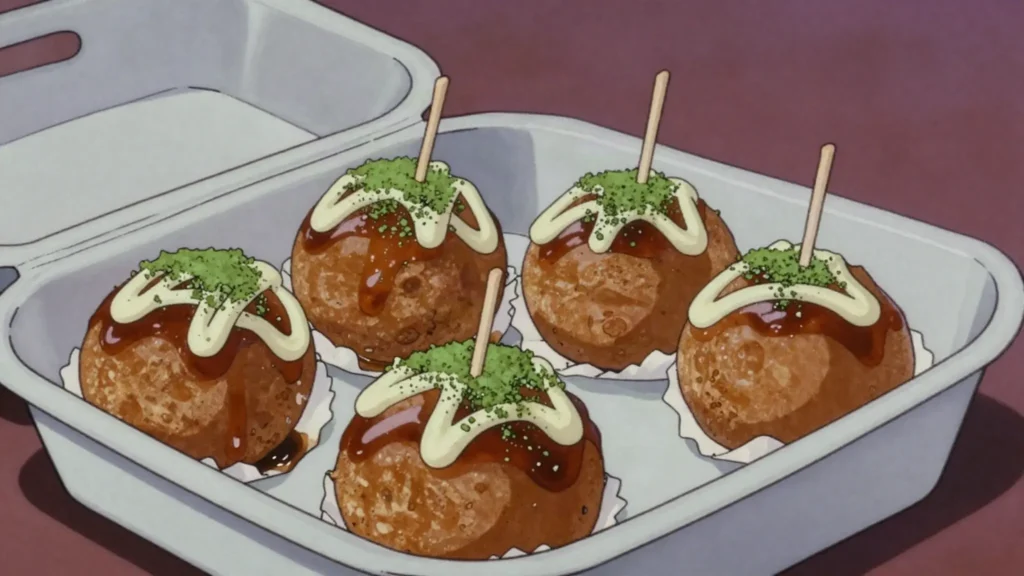
Round, batter-based balls filled with diced octopus, cooked in a special molded pan with hemispherical wells, invented in Osaka in 1935 by street vendor Tomekichi Endo, who developed the dish by refining an earlier, simpler batter-and-filling snack popular in the region at the time into the octopus-specific version that became takoyaki. Osaka’s long-standing access to fresh octopus through its port and surrounding waters made octopus a practical and popular filling choice locally, distinguishing takoyaki from other regional variations of similar batter-ball street snacks that used different fillings. It remains most strongly associated with Osaka specifically, sold from dedicated stalls and stands, and is traditionally topped with a sweet-savory sauce, mayonnaise, dried bonito flakes and seaweed powder.
Frequently asked questions
What is Takoyaki?
Takoyaki is a street food from Japan: osaka griddled batter balls with octopus, drizzled with sauce and bonito. Round, batter-based balls filled with diced octopus, cooked in a special molded pan with hemispherical wells, invented in Osaka in 1935 by street vendor Tomekichi Endo, who developed the dish by refining an earlier, simpler batter-and-filling snack popular in the region at the time into the octopus-specific version that became takoyaki. Osaka’s long-standing access to fresh octopus through its port and surrounding waters made octopus a practical and popular filling choice locally, distinguishing takoyaki from other regional variations of similar batter-ball street snacks that used different fillings. It remains most strongly associated with Osaka specifically, sold from dedicated stalls and stands, and is traditionally topped with a sweet-savory sauce, mayonnaise, dried bonito flakes and seaweed powder.
How long does Takoyaki take to make?
Takoyaki takes 30 minutes of preparation and 30 minutes of cooking. The recipe makes about 40 balls. It is rated hard to make.
What can I substitute in Takoyaki?
Yes, within limits. Cooked prawn, squid or even cheese and sausage are used as fillings in modern shops. Instant dashi powder makes an acceptable stock if you are not making it from kombu and bonito.
What is the most important thing to get right in Takoyaki?
Cut the cooked octopus into one centimetre dice. Raw octopus needs long simmering to become tender. Slice the spring onions as finely as you can. Chop the pickled ginger roughly. The pan must be genuinely hot before any batter goes in.