The cephalopods — squid, octopus, cuttlefish — the tenderest and the toughest seafood at once: cook them for two minutes or two hours, never in between, and they are the fried calamari, the grilled octopus and the black-ink risottos of every Mediterranean and Asian coast.
Where it comes from
Cephalopods have been eaten around the Mediterranean and in East Asia since antiquity — the Greeks and Romans prized them, they appear on Minoan pottery — and remain daily food from Portugal to Greece and from Japan to the Philippines, while the north of Europe and America came to them late and cautiously through fried calamari. Squid is the most abundant and cheapest; octopus the most prized; cuttlefish, the squat cousin with the ink sac, the choice for black rice and pasta.
Their muscle is what makes them peculiar to cook: it is tender raw and for the first minute or two of heat, then tightens into rubber, then, after an hour or more of gentle simmering, relaxes again as the collagen breaks down. So squid is flash-fried, grilled for a minute or served raw; octopus is simmered slowly until a knife slips in, then finished on a grill; and either can be stewed long in wine or tomato. The ink, from the sac, colours and flavours rice, pasta and sauces black.
Varieties
- Squid (calamari) — Tube and tentacles; the body is sliced into rings or scored, the tentacles left whole. Fried, grilled, stuffed, in stews.
- Baby squid — Small whole squid, fried whole or grilled; tender and quick.
- Octopus — Eight arms, no bones; simmered until tender then grilled, dressed or stewed. Galician pulpo a feira, Greek grilled octopus, Japanese takoyaki.
- Cuttlefish (seppia) — Broader and thicker than squid, with a chalky internal bone and a large ink sac; slightly sweeter. For black risotto and Venetian seppie in nero.
- Squid or cuttlefish ink — Sold in sachets; a teaspoon or two blackens a risotto or pasta and adds a briny depth.
- Dried squid and cuttlefish — Sun-dried and shredded or grilled; a snack and a stock ingredient in China, Korea and Japan.
In the kitchen
Clean squid by pulling the head and tentacles from the body, drawing out the clear quill and innards, peeling off the purple skin and cutting the tentacles from the head just below the eyes. Then either cook it hot and fast — a minute or two in a very hot pan or on a grill, or thirty seconds in hot oil for calamari — or braise it slowly for forty minutes or more in wine and tomato. Anything in between is rubber.
Octopus: simmer whole in unsalted water (or with a cork, wine and aromatics, according to legend) for 45–90 minutes until a knife goes in easily; cool in the liquid, then slice and dress with olive oil, paprika and potatoes (Galicia) or char on a grill with lemon and oregano (Greece). Freezing octopus first tenderises it. Score the inside of a squid body in a diamond pattern and it curls decoratively and cooks evenly.
Choosing and keeping
Fresh squid and cuttlefish should be firm, glossy, with bright eyes and a clean sea smell, ink sac intact; slimy, pink or ammoniac ones are off. Most squid is sold frozen or previously frozen, which does it no harm and slightly tenderises octopus. Cook within a day of buying or thawing.
Cleaned squid tubes and rings save time and are fine for frying and braising. Ink in sachets keeps for months in the fridge. Cooked octopus keeps two days and is often better dressed the next day.
Dishes with squid
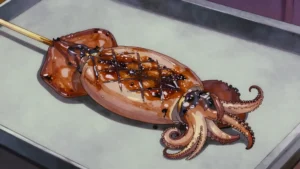 IkayakiWhole squid grilled with soy glaze, eaten on a stick at festivals.
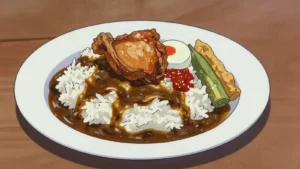 Nasi KandarPenang rice flooded with mixed curries from Indian-Muslim stalls
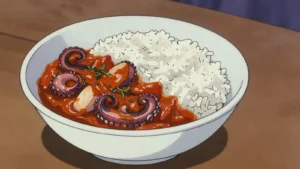 Cari ouriteoctopus curry simmered with thyme and spices
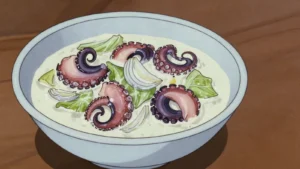 NawitaOctopus tenderised, then simmered in coconut milk with island greens.
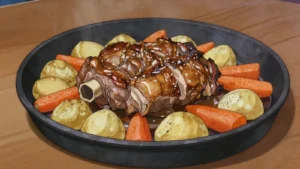 Ispod sačaveal or octopus roasted under an iron ember-covered bell
 TapadoCoconut seafood-and-plantain stew of the north coast
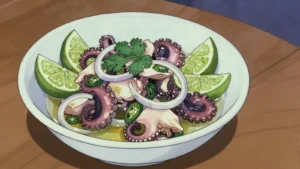 Salade ouriteoctopus salad with lime, chili and onion
 Ang Dtray-MeukGrilled squid brushed with lime and chilli, sold on skewers along the Kep seafront
Squid, octopus and cuttlefish is tagged on 39 dishes from 25 countries in the atlas. These notes are written from general knowledge and carry no per-fact citation — see About.