
Ingredients
Base
- 750 mldry white wine, ideally a neutral Mendoza Torrontes or Chenin
- 180 mlneutral grape spirit at 60 to 70 per cent, or 250 ml of a clean grape brandy
- 200 gcaster sugar, for a rojo style, or 80 g for a seco
Botanicals
- 6 gdried wormwood, Artemisia absinthium, the defining bitter
- 4 ggentian root
- 3 gdried peperina, the Cordoba mountain mint
- 3 gcedron (lemon verbena) leaves
- 2 gdried orange peel
- 2 gcoriander seed
- 1 gcinnamon bark
- 1 gcardamom pods, cracked
- 1 gdried chamomile
- 1 gquinine bark, optional
The serve
- 80 mlchilled vermouth
- 80to 100 ml cold soda water
- 1thick slice of orange
- 3green olives on a stick
- large ice cubes
Directions
- Weigh the botanicals and bruise the harder roots and barks lightly in a mortar so the spirit can reach them; leave the leafy ones whole.
- Steep the botanicals in the grape spirit alone in a sealed jar at room temperature, away from light, for 7 to 10 days, shaking it once a day. Alcohol extracts the bitters efficiently and predictably; wine on its own would oxidise before it finished the job.
- Taste from day 5. The infusion should be aggressively bitter and aromatic, well past what is pleasant on its own, because it will be diluted more than four times.
- Strain through muslin twice, pressing the solids, and discard them.
- Make the caramel that gives a vermut rojo its colour and depth: melt half the sugar in a dry pan to a dark amber, take it off the heat, and dissolve it carefully in 60 ml of hot water. Cool completely.
- Blend the strained infusion, the wine, the caramel syrup and the remaining sugar in a clean jug and stir until everything has dissolved. Aim for a finished strength of about 16 to 18 per cent.
- Bottle, seal and rest in a cool dark place for at least a week, ideally two, so the harsh edges of the wormwood and gentian settle into the wine. Once opened, keep the bottle in the fridge and drink it within a month.
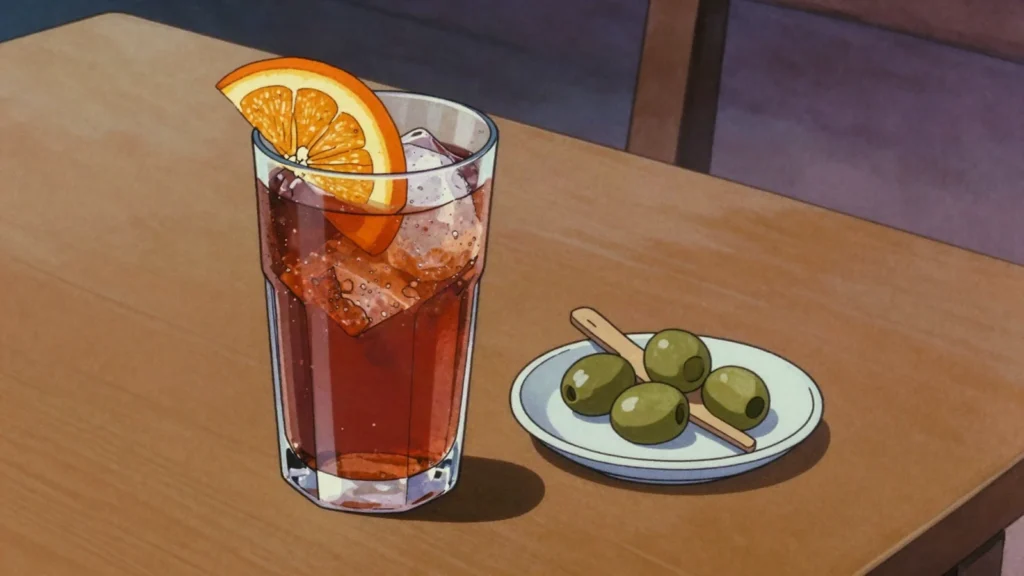
- Serve as it is served in Buenos Aires: a large ice cube in a tumbler, 80 ml of vermouth, an equal splash of cold soda, an orange slice pressed against the glass and green olives on a stick.
Technique
- Vermouth is not distilled at home; it is an aromatised, fortified wine, which is why this is a legitimate home recipe while a home brandy is not. Wormwood is legally required to be present for a drink to be called vermouth in the EU and is what distinguishes it from any other flavoured wine.
- Argentina drank vermouth heavily from the 1900s through the 1970s, when Italian immigrant brands like Cinzano and Martini were made locally, and the vermucito hour has come back through Mendoza producers using peperina, cedron and other Andean botanicals.
- Wormwood is potent. Stay near the 6 g per litre mark; heavy doses make the drink harsh and thujone intake is worth keeping low.
- The olives are not garnish in Argentina, they are food. A vermut is served with a small picada and is a signal that dinner is still hours away.
Substitutions
- No grape spirit: fortify with a clean unaged brandy or even vodka, though vodka loses the grape character that defines an Argentine vermut.
- No peperina or cedron: use dried spearmint and lemon balm for a similar bright, minty-citrus lift.
Variations
- Vermut blanco leaves out the caramel and leans on chamomile, elderflower and orange peel, served with tonic and a lemon twist.
- The Buenos Aires bar standard is simply vermut con soda; a Vermut Negroni swaps the sweet vermouth into equal parts with gin and a bitter red aperitivo.
History
Italian immigrants made the evening vermut a Buenos Aires ritual; local producers have revived it.
Frequently asked questions
What is Vermut?
Vermut is a wine & spirit from Argentina: chilled vermouth with soda and olives, drunk before dinner. Italian immigrants made the evening vermut a Buenos Aires ritual; local producers have revived it.
How long does Vermut take to make?
Vermut takes 30 min of preparation and 2 weeks maceration and resting of cooking. The recipe makes 1 litre of vermouth, about 12 aperitivos. It is rated medium to make.
What can I substitute in Vermut?
Yes, within limits. No grape spirit: fortify with a clean unaged brandy or even vodka, though vodka loses the grape character that defines an Argentine vermut. No peperina or cedron: use dried spearmint and lemon balm for a similar bright, minty-citrus lift.
What is the most important thing to get right in Vermut?
Vermouth is not distilled at home; it is an aromatised, fortified wine, which is why this is a legitimate home recipe while a home brandy is not. Wormwood is legally required to be present for a drink to be called vermouth in the EU and is what distinguishes it from any other flavoured wine.