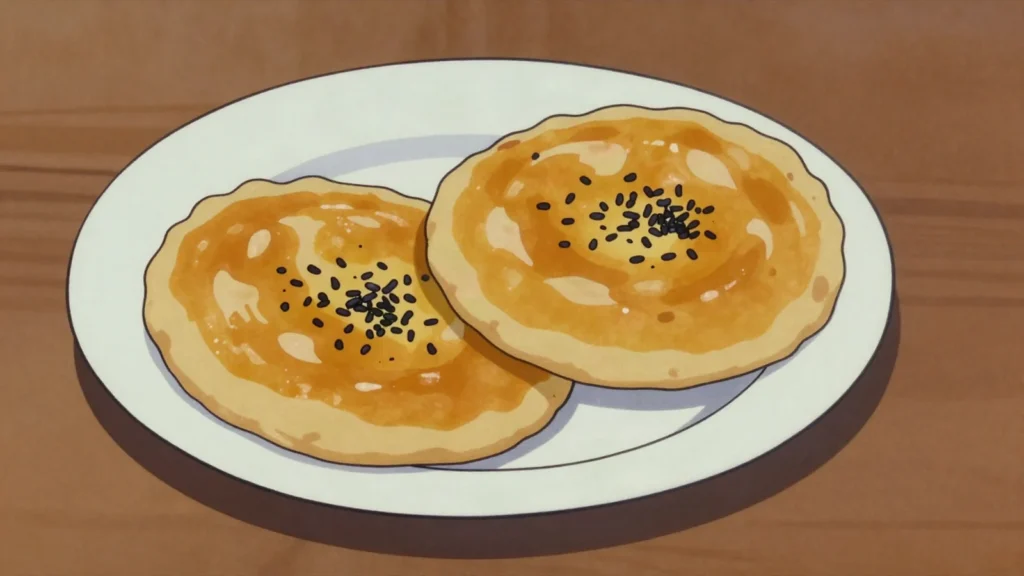

Ingredients
Dough
- 600 gplain flour
- 7 gdried yeast
- 300 mlwarm whole milk
- 2 tablespoonssugar
- 1 teaspoonsalt
- 1egg
- 80 gghee or melted butter
- 3 tablespoonsplain yoghurt
Saffron
- a generous pinch of saffron threads
- 3 tablespoonswarm milk, for steeping
To top
- 1egg yolk, beaten with a little milk
- 2 teaspoonsnigella seeds
- 1 tablespoonslivered pistachios, optional
- melted ghee, for brushing
Directions
- Warm three tablespoons of milk until it is hot but not boiling. Crush the saffron threads between your fingers into the milk. Let it steep for at least twenty minutes. The milk should turn a deep orange gold. Set it aside until you make the dough.
- Warm the rest of the milk until it is lukewarm. Stir the yeast and the sugar into it. Leave it for ten minutes until it froths on top. No froth means the yeast is dead and should be replaced.
- Put the flour and salt into a large bowl. Make a well and pour in the yeasted milk. Add the egg, the yoghurt and the saffron milk. Bring it together into a shaggy dough with your hand. Fat added early stops the gluten developing properly.
- Knead the dough for a full ten minutes. It should end up soft, smooth and slightly sticky. Oil the bowl lightly and turn the dough in it. Cover it with a damp cloth and leave it to rise. It should double in size in that time. Roll each piece into a smooth ball.
- Cover them and let them rest for twenty minutes. Shaping them is done by hand rather than with a pin. Flatten each ball with your palm on an oiled surface. Press it outward into a round about twenty centimetres across. Taftan is thicker than naan and should stay so.
- Press your fingertips into the surface to dimple it. Topping them is done just before baking. Brush each round with the beaten egg yolk and milk. Scatter nigella seeds generously over the top. Press slivered pistachios in if you are using them. Press everything down lightly so it stays put. Baking it needs the hottest oven you have.
- Heat a baking stone or a heavy tray at 250C. Give it a full thirty minutes to heat right through. Bake them for six to eight minutes. They should puff up and colour in golden patches. Finish them under a hot grill for thirty seconds for more colour. Finishing them is done the moment they come out.
- Brush each bread generously with melted ghee. Stack them in a cloth-lined basket as they come out. The cloth traps steam and keeps them soft. Warm a day-old taftan briefly in a hot pan to revive it.
Technique
- Taftan belongs to a family of Persian-derived enriched breads that spread through the Mughal empire.
- Sheermal is its closest relative and is sweeter still, and both are strongly associated with Lucknow and Lahore.
Substitutions
- Butter works in place of ghee, though ghee gives the correct flavour and browns better.
- A pinch of turmeric gives colour if saffron is unavailable, but it does not give the aroma.
Variations
- Sheermal is sweeter and paler, made with more milk and sugar.
- Some bakers add ground cardamom to the dough.
- A savoury version leaves the sugar out and is eaten with nihari.
History
A Persian-derived bread of Mughal kitchens, still baked in Lahore for weddings, Ramadan iftar and nihari breakfasts.
Frequently asked questions
What is Taftan?
Taftan is a bread & pastry from Pakistan: leavened saffron-and-milk flatbread baked in a tandoor, dotted with nigella seeds. A Persian-derived bread of Mughal kitchens, still baked in Lahore for weddings, Ramadan iftar and nihari breakfasts.
How long does Taftan take to make?
Taftan takes 30 minutes plus 2 hours rising of preparation and 15 minutes of cooking. The recipe makes 6 breads. It is rated medium to make.
What can I substitute in Taftan?
Yes, within limits. Butter works in place of ghee, though ghee gives the correct flavour and browns better. A pinch of turmeric gives colour if saffron is unavailable, but it does not give the aroma.
What is the most important thing to get right in Taftan?
Cover them and let them rest for twenty minutes. Shaping them is done by hand rather than with a pin. Flatten each ball with your palm on an oiled surface. Press it outward into a round about twenty centimetres across. Taftan is thicker than naan and should stay so.