
Ingredients
The base
- 1 litreqatiq
- or plain live full-fat yoghurt
- not low-fat
- see the note
- 1 teaspoonsalt
- optional, see the note
Equipment
- a sieve
- muslin, a clean cotton cloth
- or a clean pillowcase
- a bowl
- string, if hanging it
To serve savoury
- olive oil or melted butter
- dried mint
- crushed garlic
- salt
- flatbread or lavash
To serve sweet
- honey
- walnuts
- fresh or dried fruit
Directions
- Start with qatiq or a plain live yoghurt. Use full-fat. Fat gives the smooth rich texture. Check the ingredients: milk and cultures is what you want. Salting before draining is optional and it helps. Salt draws water out. It also helps it keep. Leave it unsalted if you want it for sweet dishes. Salt it if it is going on bread or into savoury food. Line a sieve with muslin.
- Set it over a bowl deep enough to catch the whey. It must be clean and unscented. Rinse the cloth in plain hot water first. Spoon the yoghurt into the cloth. Make sure the sieve sits clear of the bowl’s base. If it sits in the collected whey, it stops draining.
- Hang it from a hook or a tap. Put a bowl underneath. Cover the whole thing. Onion and garlic transfer within hours. Drain it in the refrigerator. It stays safe and it stops souring further.
- Warm draining makes it sharper and riskier. Two hours gives a thick pourable yoghurt. Press it gently. Keep the whey. It goes into a cold drink with salt. Rinse the cloth in cold water first, then wash it. Hot water sets the milk protein into the fabric.
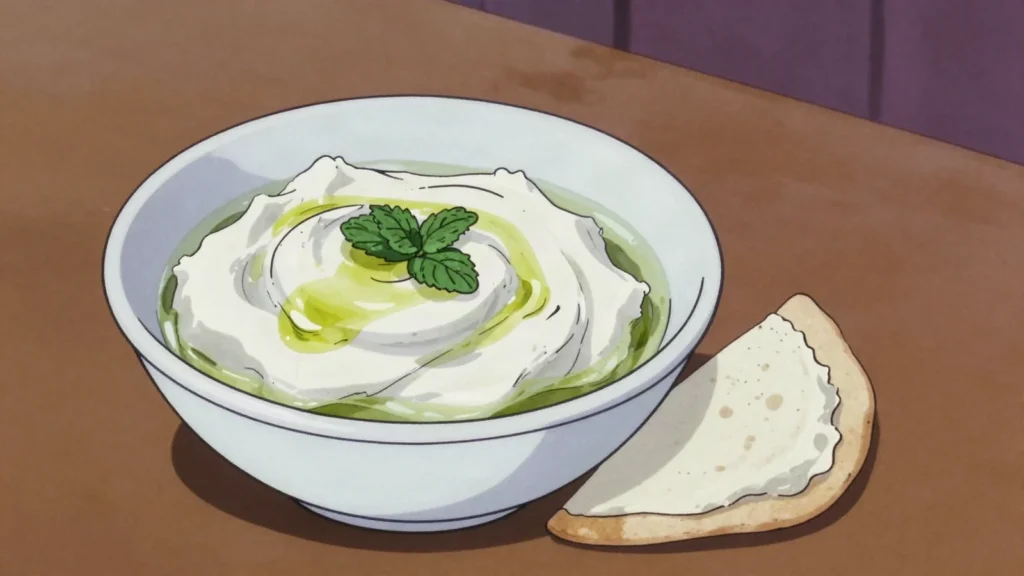
- Spread it on a plate. Make a hollow with the back of a spoon. Pour olive oil or melted butter into it. Firm suzma is rolled into balls. Drain it until it is firm, at least a day. Salt it well. Roll walnut-sized balls with clean hands.
- Pack them into a jar and cover them with oil. They must stay completely covered by the oil. Oil excludes air. Salt the curd well and drain it hard, so it is dry. Add nothing fresh and nothing raw, especially not garlic or herbs. Keep the jar refrigerated rather than in a cupboard.
- Use it within a few weeks. Anyone uncertain should keep plain suzma refrigerated instead and skip the oil. Add it off the heat or at the very end. It still splits if you boil it. Use unsalted suzma for sweet dishes. Salt it only for savoury. Plain suzma keeps a week refrigerated. Keep it covered and use a clean spoon.
Technique
- Use full-fat yoghurt. Low-fat drains to a chalky grainy curd, and fat is what gives the smooth richness — this is the difference between good suzma and disappointing suzma.
- Avoid yoghurt with added starch, gelatine or thickeners: they hold the whey in and it will not drain. The ingredients list should read milk and cultures.
- The draining time is the whole recipe. Two hours gives a thick pourable yoghurt, six to eight a soft spreadable suzma, twelve to twenty-four a firm cheese-like curd. Most of the whey leaves in the first few hours.
- Make sure the sieve sits clear of the bowl’s base. If it sits in the collected whey it stops draining — the commonest setup mistake. Hanging the tied cloth drains faster and more evenly, and is the traditional method.
- Rinse the cloth in plain hot water first. Fabric softener and detergent transfer their smell completely, and that is a genuinely common way to ruin a batch.
- Cover it and drain it in the refrigerator. It absorbs refrigerator smells readily — onion and garlic within hours — and warm draining makes it sharper and riskier.
- Press only gently if you weight it. Hard pressing squeezes curd through the cloth.
- Keep the whey. It replaces water in bread dough, goes into soups, cooks grains and pulses, and keeps five days refrigerated.
- Rinse the cloth in cold water before washing it — hot water sets milk protein into the fabric.
- Food stored under oil carries a botulism risk: oil excludes air, some bacteria grow without it, and the toxin gives no smell, taste or sign. If you make oil-stored balls, salt and drain them hard so they are dry, add nothing fresh or raw, keep the jar refrigerated rather than in a cupboard, use it within a few weeks, and keep everything fully submerged. Anyone uncertain should skip the oil and keep plain suzma refrigerated instead.
- Never add raw garlic to a jar of oil. Garlic in oil is a documented botulism hazard and public health guidance is consistent on it.
- Add it off the heat or at the very end of cooking. Suzma is thicker than yoghurt and splits less readily, but it still splits if you boil it.
- Salt it before draining if it is going into savoury dishes — salt draws water out, speeds the draining, seasons throughout and helps it keep. Leave it unsalted for sweet dishes.
- Dried mint rather than fresh is genuine practice here, for its deeper less grassy flavour.
Substitutions
- Labneh, Greek strained yoghurt, süzme yoğurt or chakka all substitute exactly.
- Qatiq is the traditional base; any plain live full-fat yoghurt works.
- Sheep’s or buffalo milk yoghurt gives a richer suzma.
- A paper coffee filter replaces muslin for small quantities.
- Melted butter replaces olive oil for the savoury pour.
- Fresh mint replaces dried at three times the quantity, with a grassier result.
Variations
- Suzma balls rolled and stored under refrigerated oil keep for weeks.
- Qurut dries salted suzma into hard balls that keep a year.
- Labneh in the Levant is the same thing with za’atar and oil.
- Chalop and other Central Asian cold soups are built on it thinned.
- A garlic suzma sauce is spooned over manti and chuchvara.
- Sweet suzma with honey and walnuts is a breakfast or a dessert.
History
Strained from qatiq and stored under oil or rolled into balls to keep through winter.
Frequently asked questions
What is Suzma?
Suzma is a cheese & dairy from Azerbaijan: yoghurt drained in cloth to a thick spreadable curd, salted and eaten with bread. Strained from qatiq and stored under oil or rolled into balls to keep through winter.
How long does Suzma take to make?
Suzma takes 10 minutes plus 8 hours draining of preparation and none of cooking. The recipe makes makes about 400 g. It is rated easy to make.
What can I substitute in Suzma?
Yes, within limits. Labneh, Greek strained yoghurt, süzme yoğurt or chakka all substitute exactly. Qatiq is the traditional base; any plain live full-fat yoghurt works. Sheep’s or buffalo milk yoghurt gives a richer suzma. A paper coffee filter replaces muslin for small quantities. Melted butter replaces olive oil for the savoury pour. Fresh mint replaces dried at three times the quantity, with a grassier result.
What is the most important thing to get right in Suzma?
Set it over a bowl deep enough to catch the whey. It must be clean and unscented. Rinse the cloth in plain hot water first. Spoon the yoghurt into the cloth. Make sure the sieve sits clear of the bowl’s base. If it sits in the collected whey, it stops draining.