The wrinkled, oily, faintly bitter nut of a temperate tree — the nut of Persian and Georgian sauces, of French and Italian salads and cakes, of baklava and of the Balkan and Caucasian kitchen more than any other.
Where it comes from
The Persian or English walnut is native to a band from the Balkans to the Himalayas, and Persia grew and traded it in antiquity — the Romans called it the Persian nut and the Greeks the royal nut. It spread through Europe with the Romans and to China along the Silk Road; California, China and Iran grow most of it now. The black walnut of North America is a different species, hard-shelled and intensely flavoured, and rarely reaches shops.
Walnuts are the sauce nut of a whole region. Ground with pomegranate molasses they make Persian fesenjan; pounded with garlic, herbs and vinegar they make the Georgian sauces for chicken (satsivi) and vegetables (pkhali); with red pepper they make Turkish and Syrian muhammara; with bread, garlic and oil they make the Ligurian salsa di noci for pasta. They are the nut of baklava in Turkey and the Balkans, of Georgian churchkhela, of the Waldorf salad and the French walnut tart. Green walnuts, picked unripe in June, are pickled in England and made into nocino in Italy.
Varieties
- Persian / English walnut (Chandler, Franquette) — The standard: light-coloured, mild, easily cracked. Californian and French.
- Black walnut — North American; small kernel, hard shell, strong earthy flavour. For ice cream and baking in the US Midwest.
- Wet walnut (fresh, in season) — Newly harvested, moist, with a tender kernel and milky flavour, sold in autumn; needs peeling of the bitter skin.
- Green walnut — The whole unripe fruit in early summer, soft enough to pierce; for pickling and nocino liqueur.
- Grenoble walnut — The French protected-name walnut of the Isère valley; considered the finest.
In the kitchen
Toast them — in a dry pan or the oven for a few minutes until fragrant — for almost every use; it lifts the flavour and softens the bitterness of the skin. Ground fine, with a little liquid, they thicken sauces and stews; chopped, they finish salads, cakes and pasta; halves are for decoration and eating.
Walnuts with pomegranate and chicken (Iran), with garlic and herbs (Georgia), with red pepper (Syria), with blue cheese and pear or apple (France and England), with honey and cinnamon in pastry (Greece, Turkey), with coffee in cake (Britain). Walnut oil, cold-pressed, is for dressings only; it does not take heat.
Choosing and keeping
Walnuts go rancid faster than most nuts because of their oil; buy in the shell if possible, or shelled in small quantities, and keep them in the fridge or freezer. Rancid walnuts taste sharp and bitter. Fresh kernels are pale and plump; shrivelled, dark ones are old.
In the shell they keep a year somewhere cool. Wet walnuts in autumn keep only a week or two.
Dishes with walnut
 FlodniLayers of apple, walnut, poppy seed and plum jam between thin pastry.
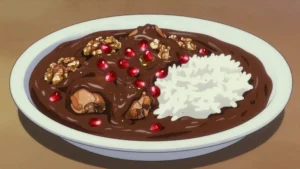 Fesenjanvelvety walnut-pomegranate stew with chicken or duck
 Bahraini dateskhunaizi and khasab dates from island groves, eaten with coffee
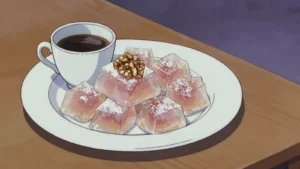 RatlukSoft rose or walnut jelly cubes rolled in sugar, served with coffee.
 KadaifPastry threads with walnut, baked and soaked in lemon syrup.
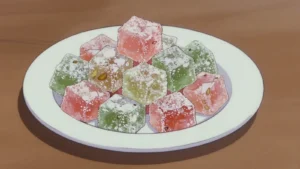 Turkish delightchewy rosewater or pistachio cubes dusted with powdered sugar
 MuhammaraAleppan dip of red pepper, walnuts and pomegranate molasses
 Kleichacardamom cookies spiraled with date paste; the national cookie
Walnut is tagged on 158 dishes from 62 countries in the atlas. These notes are written from general knowledge and carry no per-fact citation — see About.