
Ingredients
The wheat
- 1 kgwhole wheat grains
- untreated, for sprouting
- water for soaking
- and for daily rinsing
The rest
- 1 kgplain flour
- about 5 litres water
- in stages
- no sugar at all
The pot
- a very large heavy pot
- a long wooden paddle
- for stirring all night
- 40small stones
- washed, optional
To serve
- in small bowls
- at Navruz
- shared with neighbours
- with the stones as favours
Directions
- Use large stones rather than small ones if you do it. The stones must be scrubbed and boiled first. Use smooth river stones rather than porous ones. Wet porous stone can crack when heated.
- Warm moist conditions favour bacterial growth. Rinse them thoroughly and often. Keep the sprouting vessel scrupulously clean. Discard the batch if it smells at all wrong. This mixture is cooked for twelve hours. Use a long paddle and stand well back. A twelve-hour cook means constant exposure.
- Soak the wheat grains in water overnight. Use untreated grain intended for sprouting. Drain the soaked wheat and spread it out. Spread it in a shallow layer on a tray. Cover it with a damp cloth to keep it moist. Keep it somewhere warm but not hot. Rinse the sprouting wheat twice every day.
- Rinse it thoroughly under cold running water. Drain it well each time afterward. That keeps it moist and washes bacteria away. Grind the sprouted wheat with a little water. Add water as you grind to help it along. Work it to a rough green mash.
- Press the mash through cloth to extract the liquid. Set the mash in muslin over a large bowl. Squeeze it hard to extract all the liquid. Add more water to the pulp and press it again. Repeat that two or three times over. You should get several litres of liquid.
- Pour the liquid into a very large heavy pot. Use the largest heavy pot you have. It must be genuinely heavy based. Put the scrubbed boiled stones in the pot. That keeps the base from catching. Whisk the flour into a little of the liquid.
- Make a smooth paste with cold liquid first. Dry flour tipped in seizes into lumps. Whisk it entirely smooth before adding it. Simmer the mixture for about twelve hours. That is genuinely twelve hours rather than an exaggeration. Keep the heat low right through the cooking. It should bubble slowly rather than vigorously.
- Add hot water as the mixture thickens. It reduces considerably over twelve hours. Add it a little at a time as needed. Keep it stirrable throughout the night. It goes from pale to golden to deep brown.
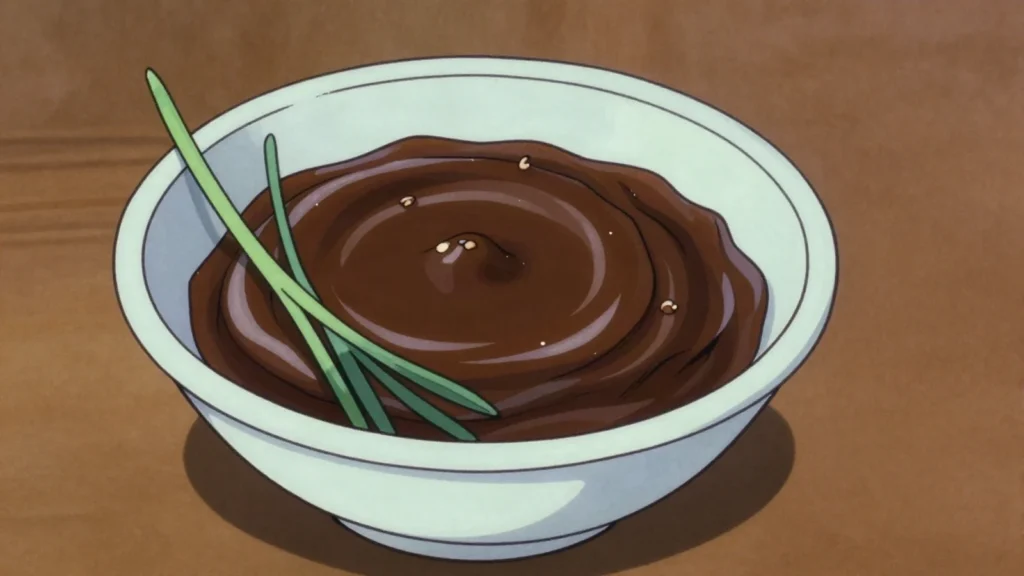
- Taste it periodically through the night. It becomes sweeter as the hours pass. Let the sumanak cool in the pot. It becomes almost like a thick jam. Let it cool for several hours before serving. It is served cool rather than hot. Spoon the sumanak into small bowls. Serve small portions rather than large ones.
- Take them out for young children entirely. Sumanak keeps well for a week or more. Keep it covered and refrigerated. It keeps a week or more refrigerated.
Technique
- The stones traditionally put in the pot end up in the served bowls, where finding one is considered good fortune. They are a genuine choking hazard and can break teeth: tell everyone they are there, take them out entirely for young children, and if you use them scrub and boil smooth river stones rather than porous ones, since wet porous stone can crack when heated. Leaving them out and stirring more often does the same job.
- Sprouts are a documented food safety concern, since warm moist conditions favour bacterial growth and salmonella and E. coli outbreaks are documented. Rinse the sprouting wheat thoroughly twice daily, keep the vessel scrupulously clean, smell it at each rinse, and discard the batch if it smells at all sour or shows mould. The twelve-hour cooking deals with the sprouts entirely — none of this is eaten raw.
- This is a very large pot of thick hot paste that bubbles heavily and spits, and those spits stick to skin and burn badly. Use a long paddle, stand well back, and never do this alone or when very tired — fatigue over a twelve-hour cook makes accidents likely, which is exactly why people work in shifts.
Substitutions
- Use untreated grain sold as food or for sprouting. Seed grain sold for planting is often chemically treated and those treatments are genuinely not edible.
- Traditionally the sprouted wheat is pounded in a large mortar; a food processor does the job at home. Cast iron or copper is the traditional pot and it must be genuinely heavy based, since a thin pot burns the paste immediately.
Variations
- No sugar of any kind goes in — all the sweetness comes from the sprouted grain itself, which is the whole point. Sprouting activates amylase, which breaks starch down into sugars, the same chemistry that makes malt and underlies brewing, and the long cooking completes that conversion.
- Twelve hours is genuine rather than an exaggeration and cannot be meaningfully shortened; the transformation takes that long. It must be stirred almost continuously, since thick paste catches instantly, which is why women stir in shifts through the night, swapping every half hour or so — and where the singing comes from.
- Whisk the flour into cold liquid to a smooth paste before it goes into the pot, since dry flour tipped in seizes into lumps that never break down. Add hot water a little at a time through the night to keep it stirrable, and taste it periodically — following the sweetness develop is part of why people stay up for it.
History
Women stir the pot in shifts until dawn, singing; the sweetness comes only from the sprouted wheat.
Frequently asked questions
What is Sumanak?
Sumanak is a dessert from Tajikistan: dark sweet paste of sprouted wheat, cooked all night for Navruz. Women stir the pot in shifts until dawn, singing; the sweetness comes only from the sprouted wheat.
How long does Sumanak take to make?
Sumanak takes 1 week sprouting plus 4 hours of preparation and 12 hours of cooking. The recipe makes makes about 3 kg. It is rated hard to make.
What can I substitute in Sumanak?
Yes, within limits. Use untreated grain sold as food or for sprouting. Seed grain sold for planting is often chemically treated and those treatments are genuinely not edible. Traditionally the sprouted wheat is pounded in a large mortar; a food processor does the job at home. Cast iron or copper is the traditional pot and it must be genuinely heavy based, since a thin pot burns the paste immediately.
What is the most important thing to get right in Sumanak?
Use large stones rather than small ones if you do it. The stones must be scrubbed and boiled first. Use smooth river stones rather than porous ones. Wet porous stone can crack when heated.