
Ingredients
Wheat
- 2 kgwhole wheat grains, for sprouting
Also
- 3 kgplain flour
- 500 mlcottonseed or vegetable oil
- water, in quantity
Traditional additions
- clean smooth stones, and a few walnuts in their shells
Equipment
- a very large kazan or cauldron
- a long wooden paddle
- a fire, and people to take turns
To serve
- in small bowls, at Navruz
Directions
- Wash the wheat grains thoroughly and soak them for a day, changing the water. Drain them, spread them on a damp cloth in a tray, and keep them covered and moist.
- Rinse them twice a day and keep them damp but never sitting in water, which makes them rot rather than sprout. They will sprout in three or four days and should be grown until the shoots are two or three centimetres.
- Discard any batch that smells sour or shows mould, and start again. Add water to the pulp, work it hard with your hands, and strain the milky liquid off through cloth. Repeat the extraction two or three times with fresh water, keeping the liquids separate. The first extraction is the richest and the later ones are used to thin the pot as it cooks.
- Add the wheat extract gradually, stirring constantly, until it is smooth. Clean smooth stones sit on the base and are constantly moved by the stirring, which stops the mixture catching and burning.
- Bring it to a gentle simmer and stir it continuously. Stir without stopping for the whole cooking time. It catches and burns within moments if left, and a burnt sumalak is finished.
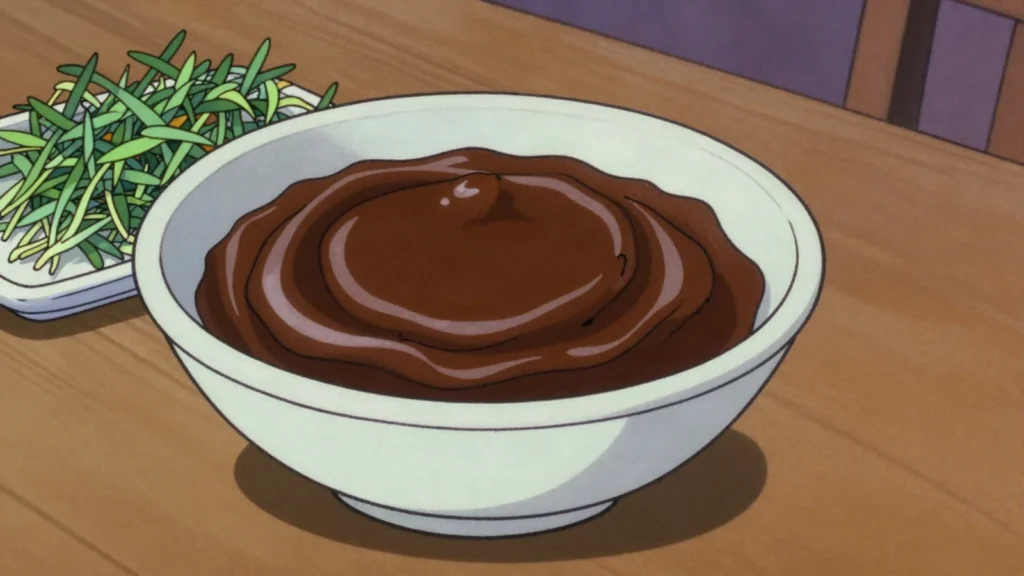
- Cook it for 12 to 24 hours, adding the reserved wheat extracts and water as it thickens. Taste it as it goes: it starts bland and starchy and becomes progressively sweeter. It is done when it is a deep chestnut brown, thick, glossy and genuinely sweet.
- Serve it in small bowls, warm or at room temperature. It keeps a week refrigerated and it is spread on bread as well as eaten with a spoon.
Technique
- It contains no sugar and its sweetness comes entirely from enzymatic conversion.
- It is made communally by women overnight and the gathering is part of the tradition.
- Samanu is the Iranian equivalent and sits on the Nowruz haft-sin table.
Substitutions
- There is no substitute; the sprouted wheat is the entire dish.
- A smaller batch can be made, though it loses the communal character.
Variations
- Samanu, the Iranian version.
- Made with a portion of the wheat left whole for texture.
- Made in smaller domestic quantities.
History
Wheat sprouts stirred through an entire night by women at Navruz; it is sweet without any sugar.
Frequently asked questions
What is Sumalak?
Sumalak is a dessert from Uzbekistan: wheat-sprout paste stirred overnight for Navruz, communal ritual. Wheat sprouts stirred through an entire night by women at Navruz; it is sweet without any sugar.
How long does Sumalak take to make?
Sumalak takes several days sprouting of preparation and 12 to 24 hr of cooking. The recipe makes a very large pot. It is rated hard to make.
What can I substitute in Sumalak?
Yes, within limits. There is no substitute; the sprouted wheat is the entire dish. A smaller batch can be made, though it loses the communal character.
What is the most important thing to get right in Sumalak?
Rinse them twice a day and keep them damp but never sitting in water, which makes them rot rather than sprout. They will sprout in three or four days and should be grown until the shoots are two or three centimetres.