
Ingredients
The spirits
- 45 mldry gin
- 15 mlBenedictine
- 15 mlcherry brandy
- or kirsch, in older versions
The rest
- 20 mlfresh lemon juice
- 2dashes Angostura bitters
- 2dashes orange bitters
- soda water, to top up
To serve
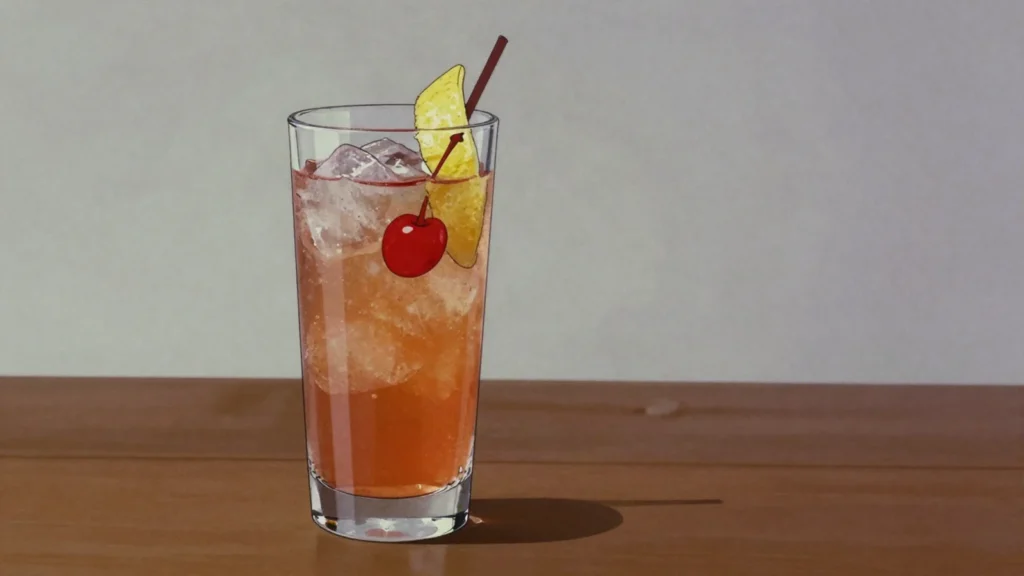
- a tall glass
- plenty of cubed ice
- a lemon twist
- or a cherry
Sometimes
- a little sugar syrup
- if the lemon is very sharp
- to taste
Directions
- Chill a tall glass before you start mixing. Fill it with ice and water for a few minutes. A cold glass keeps the drink cold longer. Squeeze the lemon juice fresh for this drink. Squeeze it just before you make the drink. It loses brightness within an hour or two.
- Put the gin, liqueurs, lemon and bitters in a shaker. Use a jigger or a measuring spoon. Bitters are powerful and should not be guessed. Fill the shaker with plenty of cubed ice. Use large cubes rather than crushed ice. Fill the shaker properly rather than sparingly.
- Seal the shaker and shake it hard and briefly. Give it about twelve seconds of hard shaking. Check the shaker is genuinely sealed first. Hold both parts firmly with both hands.
- Shake it away from yourself and from others. Strain the drink into the prepared glass. Fill the glass with fresh ice first. Use fresh ice rather than the shaker ice. Fill the glass generously with it. Strain out the shaker ice entirely. It is a small refinement that helps.
- Top the glass up with cold soda water. Pour it gently down the side of the glass. Add about eighty to a hundred millilitres. Adjust it to how long you want the drink. Do not stir it hard or repeatedly at all.
- Taste it before you serve it if you can. Add a little sugar syrup if it is too sharp. Add a squeeze more lemon if it is too sweet. Adjust it rather than accepting an imbalance. This drink should be dry rather than sweet.
- Twist a strip of lemon peel over the glass. Squeeze the peel skin side down over the drink. Serve it immediately while it is still cold. The soda goes flat within a few minutes. Make each one at the moment it is wanted. It is drunk cold from a tall glass over ice. Make each one only when it is wanted.
Technique
- This contains gin and two liqueurs, about seventy-five millilitres of alcohol in total, and the soda lengthens rather than weakens it — it is stronger than it tastes. Never serve it to anyone avoiding alcohol or under the legal age.
- Squeeze the lemon fresh: bottled juice tastes flat and stale, and fresh juice loses its brightness within an hour or two. Measure everything rather than free pouring, since the balance of this drink is genuinely delicate and small errors change it considerably.
- Top up with soda poured gently down the side and give it one slow stir only — pouring hard or stirring repeatedly flattens the drink entirely.
Substitutions
- Some early recipes specify kirsch rather than cherry liqueur, and those produce very different drinks: cherry liqueur gives sweetness and colour where kirsch, a clear dry eau de vie, gives dryness and a sharper cherry note. The atlas gives the liqueur version.
- A cocktail cherry replaces or joins the lemon twist as garnish; both are genuinely used in bar practice. A little sugar syrup can be added if the lemon is very sharp.
Variations
- The Straits Sling is recorded in printed 1920s bar books and is clearly related to the Singapore Sling, but the exact line between them is genuinely disputed and early recipes vary considerably between sources. The Raffles Hotel attribution to Ngiam Tong Boon is widely repeated but not documented in any contemporary source, and no original recipe from that period survives — the atlas records that as a claim rather than established fact. The name refers to the Straits Settlements, British colonies including Singapore, Penang and Malacca; this was a drink of colonial clubs and hotels whose membership was frequently restricted by race, which the atlas records rather than romanticises.
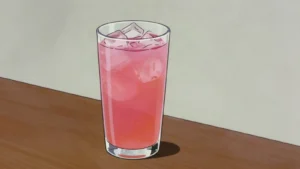
- This should be dry rather than sweet: the liqueurs bring plenty of sweetness and the lemon and both bitters must hold it in check. Modern Singapore Slings are often bright red and sweet with pineapple juice and grenadine; the Straits Sling is far drier and more spirit-forward.
- Use large cubes rather than crushed ice, fill the shaker properly — more ice means less dilution, not more — shake about twelve seconds until the shaker frosts, and strain over fresh ice rather than the partly melted shaker ice.
History
A colonial Singapore club drink recorded in 1920s bar books and regarded as the Singapore Sling’s ancestor.
Frequently asked questions
What is Straits Sling?
Straits Sling is a cocktail from Singapore: gin, Benedictine, cherry brandy, lemon and bitters lengthened with soda. A colonial Singapore club drink recorded in 1920s bar books and regarded as the Singapore Sling’s ancestor.
How long does Straits Sling take to make?
Straits Sling takes 10 minutes of preparation and no cooking at all. The recipe makes makes 1. It is rated medium to make.
What can I substitute in Straits Sling?
Yes, within limits. Some early recipes specify kirsch rather than cherry liqueur, and those produce very different drinks: cherry liqueur gives sweetness and colour where kirsch, a clear dry eau de vie, gives dryness and a sharper cherry note. The atlas gives the liqueur version. A cocktail cherry replaces or joins the lemon twist as garnish; both are genuinely used in bar practice. A little sugar syrup can be added if the lemon is very sharp.
What is the most important thing to get right in Straits Sling?
Put the gin, liqueurs, lemon and bitters in a shaker. Use a jigger or a measuring spoon. Bitters are powerful and should not be guessed. Fill the shaker with plenty of cubed ice. Use large cubes rather than crushed ice. Fill the shaker properly rather than sparingly.