The berry-like cone of a conifer, and one of very few spices native to northern Europe rather than traded in — which is why it flavours the food and drink of places the spice routes did not reach cheaply.
Where it comes from
Juniper grows wild across the northern hemisphere, on heath, moor and mountain. Only a few species have berries mild enough to use, and Juniperus communis is the culinary one. The berries take two or three years to ripen on the bush, so green and ripe cones sit side by side.
It is the defining botanical of gin — the word comes, through Dutch, from the same root as juniper — and it runs through Nordic, Alpine, Polish and German cooking, especially with game, pork and cabbage.
Varieties
- Dried berries — The usual form. Resinous, piney, faintly citrus and pepper.
- Fresh berries — Softer and greener, and rarely sold.
- Juniper wood and branches — Burnt for smoking meat and fish across Scandinavia and the Alps.
- Gin — Juniper distilled with other botanicals — legally required to taste predominantly of it.
In the kitchen
Juniper is strong and slightly bitter, and half a dozen crushed berries is enough for a large braise. Crushing is necessary; whole berries release very little.
It has a particular affinity for fat and for gamey flavours — pork, venison, boar, oily fish — and for cabbage and sauerkraut, where it cuts through in a way pepper does not.
Choosing and keeping
Only Juniperus communis is used in food; several other junipers are toxic. Foraged berries need the species confirmed.
Juniper in quantity is traditionally avoided in pregnancy, and that caution is worth keeping.
Dishes with juniper
 BeerenburgHerb-infused jenever drunk cold, a Frisian favourite.
 Million Dollar CocktailGin, sweet vermouth, pineapple, grenadine and egg white, shaken frothy.
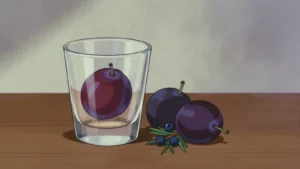 Klekovačaplum brandy redistilled with juniper berries, sharply aromatic
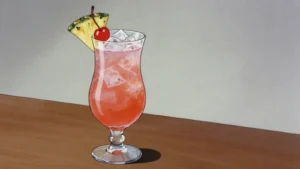 Singapore SlingPink gin cocktail with cherry brandy, Benedictine, pineapple and lime
 Gin and tonicGin over ice with tonic water and a lime or lemon wedge
 Straits SlingGin, Benedictine, cherry brandy, lemon and bitters lengthened with soda
 LonkeroLong drink of gin and grapefruit soda, sold ready-mixed in cans.
 JeneverJuniper malt spirit sipped brim-full from tulip glasses.
Juniper is tagged on 23 dishes from 17 countries in the atlas. These notes are written from general knowledge and carry no per-fact citation — see About.