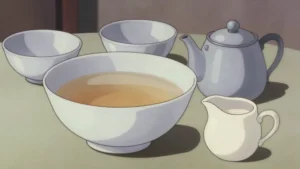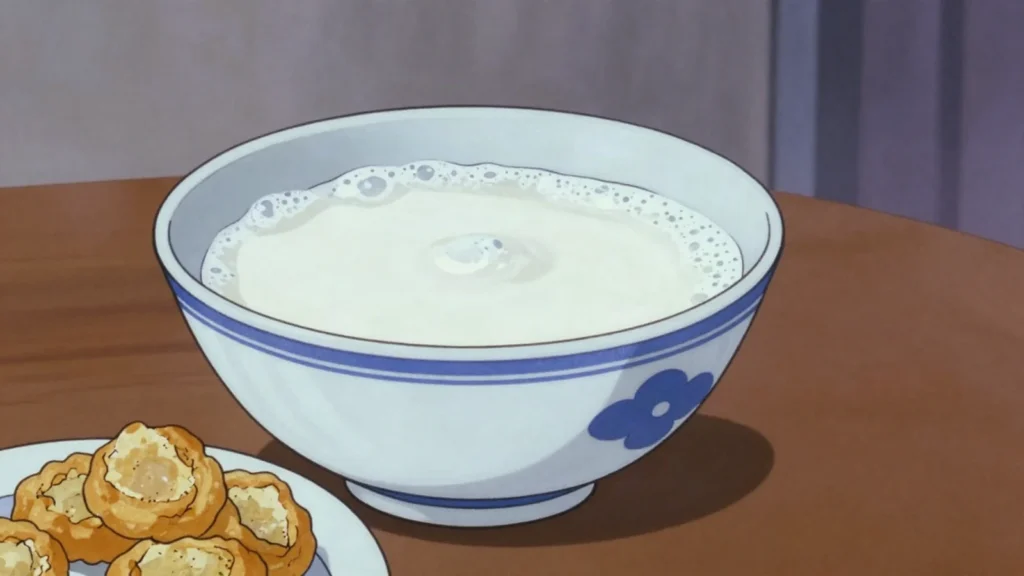

Tangy fermented camel’s milk from Kazakhstan’s southern desert regions, thicker and fattier than mare’s-milk kumis. It is drunk by the bowl and is regarded as a restorative as much as a drink.
It needs raw camel milk, which is not sold in most of the world, and a culture carried forward in the herder’s own vessel; there is no substitute for either.
What goes into it
- raw camel’s milk
- a portion of the previous batch as starter
How it is made
Fresh camel milk is poured into a skin bag or a wooden churn and inoculated with a little shubat from the last batch, then left at warm room temperature for a day or two while lactic bacteria and yeasts sour it. It is stirred repeatedly, and the yeasts produce a faint fizz and a little alcohol alongside the acid.
How long it takes: one to three days, with daily stirring
How it is eaten
Cold by the bowl, especially in summer, and traditionally taken as a spring cure.
History
Fermented camel milk, thicker and fattier than kumis, made in the southern desert regions.
Frequently asked questions
What is Shubat?
Shubat is a fermented & pickled from Kazakhstan: tangy fermented camel’s milk. Fermented camel milk, thicker and fattier than kumis, made in the southern desert regions.
How is Shubat made?
Fresh camel milk is poured into a skin bag or a wooden churn and inoculated with a little shubat from the last batch, then left at warm room temperature for a day or two while lactic bacteria and yeasts sour it. It is stirred repeatedly, and the yeasts produce a faint fizz and a little alcohol alongside the acid. It takes one to three days, with daily stirring.
Can I make Shubat at home?
No, and the atlas gives no method for it. It needs raw camel milk, which is not sold in most of the world, and a culture carried forward in the herder’s own vessel; there is no substitute for either.
What goes into Shubat?
Raw camel’s milk, a portion of the previous batch as starter.
How is Shubat eaten?
Cold by the bowl, especially in summer, and traditionally taken as a spring cure.