
Ingredients
Ferment
- 750 gglutinous rice
- 1ball jiuqu (sweet rice wine starter), about 4 g, crushed to powder
- about 100 ml cooled boiled water
To serve
- small glutinous rice balls
- an egg, beaten, if making the soup
- osmanthus flowers or sugar, to taste
Directions
- Rinse the rice until the water runs nearly clear, then soak it for four hours or overnight. Drain thoroughly.
- Steam the rice over boiling water for 30 to 40 minutes, until each grain is translucent and cooked through but still distinct. Boiled rice will not work — it is too wet and turns to porridge in the jar.
- Spread the rice on a tray and cool it to about 30°C (86°F), stirring to help it along. Too hot and you kill the culture; too cold and it takes days to start.
- Sprinkle over most of the crushed starter and mix it evenly through with clean dry hands, adding the cooled boiled water a little at a time to loosen the grains.
- Pack the rice into a clean jar, press it level, and hollow a well in the middle down to the bottom. Sprinkle the last of the starter into the well — the liquid that collects there is how you tell it is working.
- Cover loosely and keep at 28 to 32°C (82 to 90°F) for two to three days. An oven with only the light on, or a wrapped jar near a radiator, holds this well.
- It is ready when the well has filled with clear sweet liquid, the rice smells of wine and tastes sweet with a faint alcoholic edge. Move it to the fridge at once — left warm, it goes on fermenting past sweet into sour and sharply alcoholic.
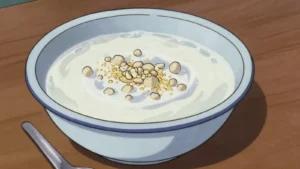
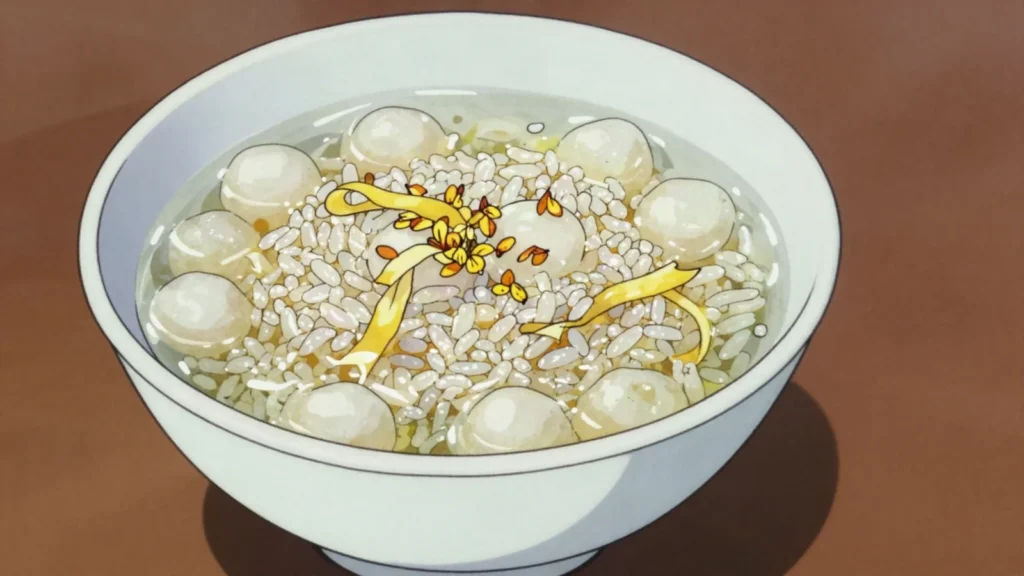
- Spoon into hot water with small rice balls and a ribbon of beaten egg, or eat it cold by the spoonful.
Technique
- Everything that touches the rice must be clean and free of oil, and your hands dry. Oil and stray bacteria are what turn a jar sour and stringy rather than sweet.
- Temperature is the whole recipe. Below 25°C (77°F) it stalls; above 35°C (95°F) it sours.
- Refrigerate the moment it tastes right. This is not a preserve — it is a two-day ferment caught at the sweet point.
Substitutions
- Any Chinese sweet rice-wine starter ball; they are sold in every Chinese grocer and there is no home substitute.
- Short-grain sticky rice, which is what this is; ordinary long-grain will not work.
Variations
- Served hot as a postpartum tonic with egg, which is its most traditional use.
- Strained, the liquid alone is a sweet low-strength rice wine.
History
An ancient home ferment made with qu starter, ancestor of Chinese rice wine and still a postpartum tonic.
Frequently asked questions
What is Jiuniang?
Jiuniang is a fermented & pickled from China: sweet fermented glutinous rice, lightly alcoholic; spooned into soups with rice balls. An ancient home ferment made with qu starter, ancestor of Chinese rice wine and still a postpartum tonic.
How long does Jiuniang take to make?
Jiuniang takes 30 min plus 2 to 3 days fermenting of preparation and 40 min of cooking. The recipe makes makes about 1 kg. It is rated easy to make.
What can I substitute in Jiuniang?
Yes, within limits. Any Chinese sweet rice-wine starter ball; they are sold in every Chinese grocer and there is no home substitute. Short-grain sticky rice, which is what this is; ordinary long-grain will not work.
What is the most important thing to get right in Jiuniang?
Everything that touches the rice must be clean and free of oil, and your hands dry. Oil and stray bacteria are what turn a jar sour and stringy rather than sweet.