
Ingredients
What goes into the still (distillery scale)
- 300 kgbase ingredient: kogane sengan sweet potato, two-row barley, rice, or brown sugar
- 60 kgsteamed rice or barley inoculated with koji mould (black kuro-koji, white shiro-koji or yellow ki-koji)
- shochu yeast
- clean soft water
- a single-pass pot still, atmospheric or vacuum
Serves
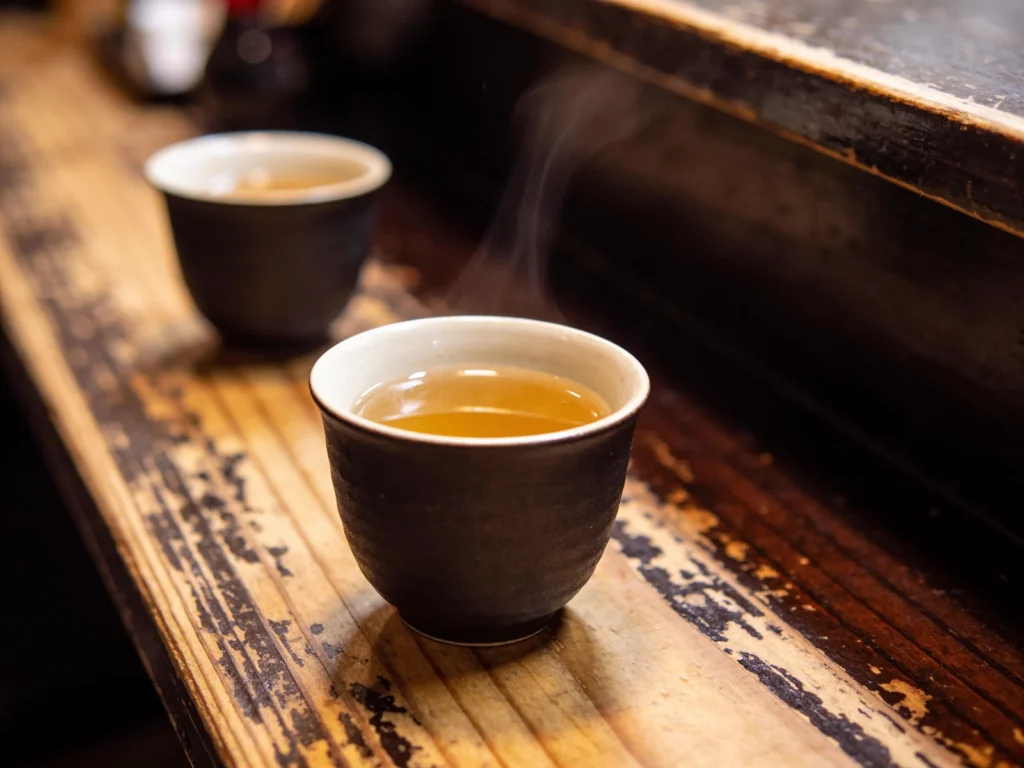
- for oyuwari: 60 ml shochu, 40 ml hot water at 80°C (175°F), in a ceramic cup
- for mizuwari: 60 ml shochu, 90 ml still water, large ice
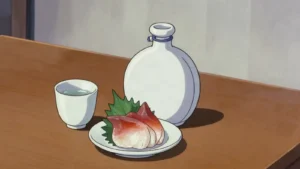
- for maewari: 6 parts shochu to 4 parts water, mixed 1–3 days ahead and warmed in a kurojoka flask
Directions
- Make the koji first: steam rice or barley, cool it to 35°C (95°F), inoculate with koji mould and hold it 40–45 hours in a warm room until the grains are furred and smell of chestnut. Build the first mash (ichiji moromi) from koji, yeast and water and ferment 5–8 days at around 28°C (80°F) until it is vigorously acidic.
- Add the main ingredient to make the second mash (niji moromi): steamed sweet potato, barley or rice. Ferment a further 8–12 days to about 15–17 percent ABV.
- Rest the new spirit in tanks, skimming the fusel oil layer, for 1–3 months or longer. For oyuwari, the classic Kyushu serve, pour the hot water into the cup first and the shochu second so it mixes by convection and the aroma blooms.
- Serve alongside food throughout the meal rather than as an aperitif.
Technique
- Shochu is not sake and not vodka. It is a distilled spirit made with koji, usually 25 percent ABV, and the koji is what separates it from every Western spirit.
- Honkaku (authentic) shochu is single-distilled from a named ingredient; korui shochu is multiply column-distilled to a neutral base, cheaper and used for chuhai.
- Awamori, from Okinawa, is its own protected category: long-grain Thai rice, black koji only, single-pass distillation, aged in clay pots as kusu.
- Distilling at home is illegal without a licence in almost every country. This is a description of how it is made, not an instruction to make it.
Substitutions
- Cannot find imo (sweet potato) shochu, which is the most pungent: mugi (barley) shochu is gentler and the easiest entry point, and kome (rice) shochu is softer still.
- No kurojoka flask: warm the pre-mixed maewari in a small pan to 45°C (115°F) and pour into ceramic cups.
Variations
- Chuhai and lemon sour, korui shochu with soda and fruit, the cheap izakaya standard.
- Shiso or umeboshi dropped into a mizuwari, a Kyushu habit.
- Kusu awamori, aged for years in clay and traditionally topped up from older pots in a solera-like system.
History
A 1559 graffito in a Kagoshima shrine complains a carpenter got no shochu; Kyushu’s Satsuma sweet-potato style dates from the 1700s.
Frequently asked questions
What is Shochu?
Shochu is a wine & spirit from Japan: distilled spirit from barley, sweet potato or rice, drunk with hot water or ice. A 1559 graffito in a Kagoshima shrine complains a carpenter got no shochu; Kyushu’s Satsuma sweet-potato style dates from the 1700s.
How long does Shochu take to make?
Shochu takes 10 min of preparation and 10 to 20 days fermentation, then months of tank resting of cooking. The recipe makes 1 bottle (720 ml), plus serves for 2. It is rated hard to make.
What can I substitute in Shochu?
Yes, within limits. Cannot find imo (sweet potato) shochu, which is the most pungent: mugi (barley) shochu is gentler and the easiest entry point, and kome (rice) shochu is softer still. No kurojoka flask: warm the pre-mixed maewari in a small pan to 45°C (115°F) and pour into ceramic cups.
What is the most important thing to get right in Shochu?
Serve alongside food throughout the meal rather than as an aperitif.