
Ingredients
What goes in
- 3–4 kgPolish rye grain (żyto), or 12–15 kg potatoes, per 700 ml bottle at 40% ABV
- malt or industrial enzymes, to convert the starch to sugar
- distiller’s yeast
- demineralised water, for reduction to bottling strength
To serve
- a 25–50 ml kieliszek, straight from the freezer
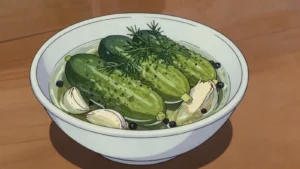
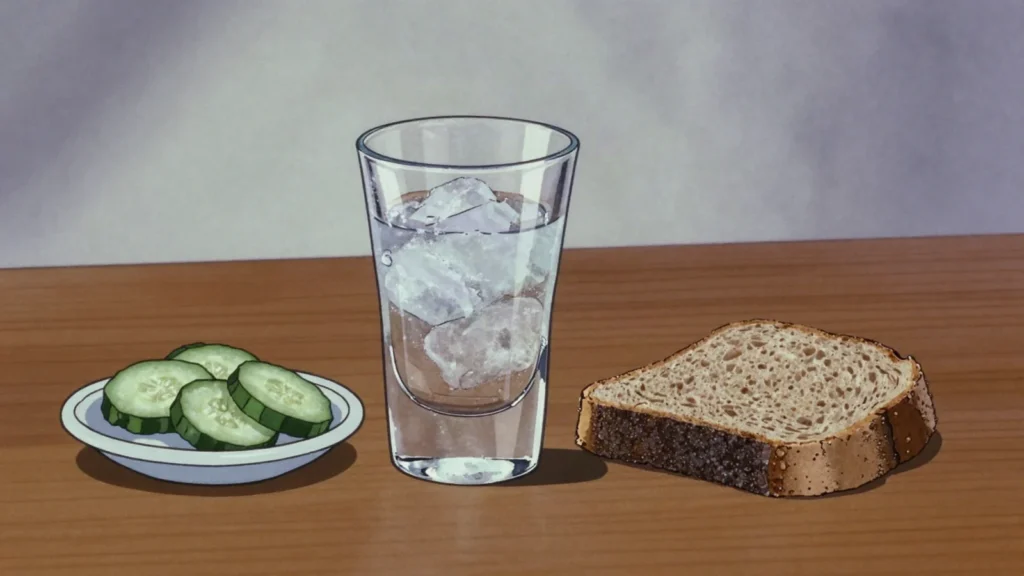
- cold zakąski: brined cucumbers, pickled mushrooms, rye bread
- never ice, never a mixer at the table
Directions
- Mill and cook the rye or the potatoes to gelatinise the starch, then convert it with malt or enzymes into a fermentable mash.
- Ferment 3–5 days at 20–30°C (70–85°F) with distiller’s yeast, to a wash of 8–10% ABV.
- Distil the wash in a continuous column to a neutral rectified spirit of 96% ABV or above. Unlike whisky or pisco, the aim here is to strip congeners out, not to keep them in.
- Rest the raw spirit, then reduce it with demineralised water to 40% ABV, the Polish standard strength.
- Filter through activated charcoal, often over several passes, until the spirit is clean and faintly sweet, with only the texture of the grain or potato left behind.
- Bottle without ageing. Polska Wódka is a protected EU designation: rye, wheat, barley, oats, triticale or potatoes, all grown in Poland, every step carried out in Poland, and no flavouring added.
- To serve, keep the bottle in the freezer at -18°C (0°F) so it pours thick and syrupy. Fill small glasses to the brim, say na zdrowie, and drink each one in a single swallow, do dna, to the bottom.
- Eat immediately afterwards: a brined cucumber, a pickled mushroom, a slice of rye bread. Vodka in Poland is a table drink, taken with food and with company, and never sipped alone over ice.
Technique
- Rye vodkas taste faintly of bread and white pepper and finish dry; potato vodkas are rounder, creamier and oilier in the mouth. That difference survives rectification, and it is what Poles argue about.
- Do not attempt to distil at home. It is illegal without a licence in most countries, and badly judged cuts concentrate methanol.
- Poland and Russia both claim the invention. The earliest documented Polish references are 15th century and Gdańsk was exporting grain spirit by the 16th, but the question is not settled and probably never will be.
Substitutions
- To taste the styles side by side without hunting rarities, compare a rye bottling with a potato one at the same strength and temperature.
- For flavoured Polish styles, start from a clean rye vodka: bison grass for a Żubrówka character, honey and spice for krupnik, which is served warm in winter, or hazelnut for orzechówka.
Variations
- Żubrówka, macerated with bison grass from the Białowieża forest.
- Rye bottlings such as Wyborowa and Belvedere; potato bottlings such as Chopin and Luksusowa.
- Krupnik, the warm honey-and-spice vodka of the eastern borderlands.
History
The word appears in Polish court records from 1405; Polska Wódka gained protected status in 2013 and must use Polish grain or potatoes.
Frequently asked questions
What is Wódka?
Wódka is a wine & spirit from Poland: clear rye or potato spirit drunk ice cold in one gulp with food. The word appears in Polish court records from 1405; Polska Wódka gained protected status in 2013 and must use Polish grain or potatoes.
How long does Wódka take to make?
Wódka takes milling and mashing, 1 day of preparation and 3–5 days fermenting, then distillation and filtration of cooking. The recipe makes 1 bottle, 700 ml at 40% ABV. It is rated hard to make.
What can I substitute in Wódka?
Yes, within limits. To taste the styles side by side without hunting rarities, compare a rye bottling with a potato one at the same strength and temperature. For flavoured Polish styles, start from a clean rye vodka: bison grass for a Żubrówka character, honey and spice for krupnik, which is served warm in winter, or hazelnut for orzechówka.
What is the most important thing to get right in Wódka?
Eat immediately afterwards: a brined cucumber, a pickled mushroom, a slice of rye bread. Vodka in Poland is a table drink, taken with food and with company, and never sipped alone over ice.