Ingredients
The dough
- 200 gbutter, softened
- 100 gcaster sugar
- 2eggs
- 1 teaspoonvanilla
- 400 gplain flour
- 100 gfine semolina
- 2 teaspoonsbaking powder
- a pinch of salt
The syrup
- 500 gsugar
- 400 mlwater
- juice of half a lemon
- 1strip lemon peel
- optional
To finish
- 30blanched almonds
- or walnut halves
- one pressed into each
To serve
- at room temperature
- with Turkish coffee
- or strong tea
Directions
- Take them out while they still look underdone. It sticks to skin and keeps burning after contact. Keep children well away from the pan while it boils. Put the sugar and water into a heavy saucepan together.
- Warm it gently until every grain of sugar dissolves. Stir it only until it is clear, then stop stirring. Bring it to a boil and hold it for about ten minutes. It should thicken very slightly but stay quite thin.
- Stir the lemon juice in near the end of the boiling. Acid stops the sugar crystallising as it cools down. Add it in the last minute or two of the boiling. A strip of lemon peel adds aroma if you want it.
- Take the syrup off the heat and let it cool completely. It must be genuinely cold when it meets the biscuits. Make it first so it has time to cool right down. Warm syrup simply will not soak into warm biscuits. Beat the softened butter and sugar together thoroughly.
- Beat them until pale, light and noticeably fluffy. That takes about five minutes with an electric whisk. Beat the eggs in one at a time until fully combined. Beat each one in fully before the next goes in.
- Add the vanilla along with the second egg. Adding the dry ingredients is the next step here. Sift the flour, semolina, baking powder and salt together. Whisk the semolina through afterward, since it will not sift. Then fold the dry mixture into the butter and eggs.
- Fold gently rather than beating the dough hard. Stop as soon as no dry flour is visible anywhere. Add a little more flour if it is genuinely sticky. Add a spoon of milk if it is too dry to hold. Cover the dough and let it rest for twenty minutes. Roll the dough into balls between your palms. Make them roughly the size of a large walnut. That gives about thirty biscuits from this quantity.
- Keep them all the same size so they bake evenly. Roll each one until the surface is entirely smooth. Roll each ball firmly until no cracks remain at all. Warm hands help the dough come together smoothly.
- Take a moment over each one rather than rushing. Set the balls on a lined baking tray well apart. Leave about three centimetres between each of them. Use two trays rather than crowding a single one.
- Press each ball down gently to flatten it slightly. They should be domed rather than completely flat. Press one almond or walnut into the top of each. Press it in far enough that it stays put when baked. It should sit partly buried rather than perched on top.
- Bake them in a moderate oven until barely coloured. About one hundred and seventy degrees works well. Take them out while they still look slightly underdone. Pale and soft is exactly what you are aiming for. Pour the cold syrup over the biscuits straight from the oven. The biscuits must still be genuinely hot from the oven.
- Work quickly as soon as the tray comes out. Pour the syrup slowly and evenly over the whole tray. Make sure every biscuit gets its share of the syrup. It should pool around them rather than run straight off.
- Leave the tray to stand for at least two hours. They swell slightly and become soft right through. Lift them carefully onto a serving plate to eat. Lift each one with a palette knife or a spatula. Serve them at room temperature rather than chilled. They keep about five days in a covered container.
Technique
- Hot biscuits must meet cold syrup — two things at the same temperature will not soak. Make the syrup first so it cools completely, and pour it over the biscuits the moment they leave the oven; that temperature difference is what drives the syrup into the crumb.
- Bake them only to pale gold with the tops barely coloured and take them out looking slightly underdone: an overbaked sheqerpare goes hard, stays hard and refuses the syrup entirely.
- Boiling sugar syrup is far hotter than boiling water and keeps burning after contact — never touch or taste it hot. Every biscuit carries an almond or walnut, so say clearly which nut you used, as they are different allergens.
Substitutions
- Walnut halves replace the blanched almonds directly and are equally traditional. All plain flour in place of the semolina gives a softer, more cake-like result, though the semolina’s slight granular bite is genuinely traditional here.
- The same sweet is made across Turkey, Albania and Bosnia as şekerpare; the Kosovan spelling simply follows Albanian orthography for the same Ottoman Turkish word.
Variations
- Boil the syrup only about ten minutes and keep it thin — a heavy syrup sits on the surface instead of soaking in, so err on the thin side. Stir only until the sugar dissolves and then stop, since stirring a boiling syrup encourages crystallisation, and add lemon juice near the end to prevent it.
- Roll each ball until the surface is entirely smooth, since cracks open further during baking, and press the nut in far enough to sit partly buried — a loose nut falls off once the syrup goes on.
- The syrup looks like far too much when poured but is almost all absorbed within the hour, so do not reduce it. Leave the tray at least two hours, or overnight for a better result; the finished biscuits should feel heavy and moist, and a light dry one has not soaked through.
History
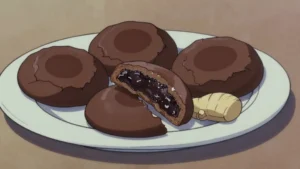
Semolina biscuits drenched in sugar syrup, whose name means piece of sugar in Ottoman Turkish.
Frequently asked questions
What is Sheqerpare?
Sheqerpare is a dessert from Kosovo: buttery cookies drenched in sugar syrup. Semolina biscuits drenched in sugar syrup, whose name means piece of sugar in Ottoman Turkish.
How long does Sheqerpare take to make?
Sheqerpare takes 30 minutes of preparation and 25 minutes of cooking. The recipe makes makes about 30. It is rated medium to make.
What can I substitute in Sheqerpare?
Yes, within limits. Walnut halves replace the blanched almonds directly and are equally traditional. All plain flour in place of the semolina gives a softer, more cake-like result, though the semolina’s slight granular bite is genuinely traditional here. The same sweet is made across Turkey, Albania and Bosnia as şekerpare; the Kosovan spelling simply follows Albanian orthography for the same Ottoman Turkish word.
What is the most important thing to get right in Sheqerpare?
Take the syrup off the heat and let it cool completely. It must be genuinely cold when it meets the biscuits. Make it first so it has time to cool right down. Warm syrup simply will not soak into warm biscuits. Beat the softened butter and sugar together thoroughly.