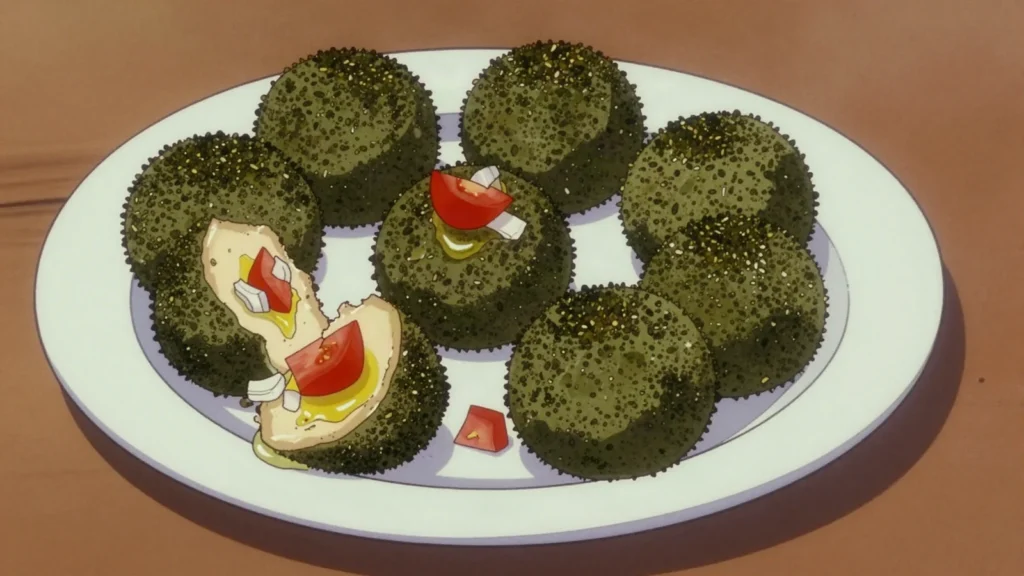

Pungent aged cheese balls rolled in za’atar, eaten with tomato, onion and olive oil. They are ripened until sharp and mouldy, then washed and coated in herbs, and are associated with Akkar and the coastal mountains.
The ripening depends on a mould colonising the curd at a controlled warmth and humidity for weeks; what grows on curd left out in a different kitchen is often not the same organism, and the washing step assumes you know which one you got.
What goes into it
- laban or strained yoghurt curd
- salt
- za’atar or Aleppo pepper for the coating
- sometimes chilli
How it is made
Curd from soured milk is cooked, drained and salted, then rolled into balls and left in a warm airy place for one to three weeks until a mould coat covers them and the paste inside turns sharp. The balls are then washed clean of the mould, dried, and rolled in za’atar or chilli, and stored in jars — sometimes under oil for months more.
How long it takes: one to three weeks of mould ripening, then months in oil
How it is eaten
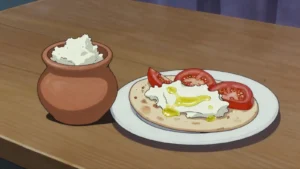
Crumbled with chopped tomato, onion and olive oil for breakfast, or with arak as meze.
History
Ripened until sharp and mouldy, then washed and coated in herbs; associated with Akkar and the coastal mountains.
Frequently asked questions
What is Shanklish?
Shanklish is a cheese & dairy from Lebanon: pungent aged cheese balls rolled in za’atar, eaten with tomato and onion. Ripened until sharp and mouldy, then washed and coated in herbs; associated with Akkar and the coastal mountains.
How is Shanklish made?
Curd from soured milk is cooked, drained and salted, then rolled into balls and left in a warm airy place for one to three weeks until a mould coat covers them and the paste inside turns sharp. The balls are then washed clean of the mould, dried, and rolled in za’atar or chilli, and stored in jars — sometimes under oil for months more. It takes one to three weeks of mould ripening, then months in oil.
Can I make Shanklish at home?
No, and the atlas gives no method for it. The ripening depends on a mould colonising the curd at a controlled warmth and humidity for weeks; what grows on curd left out in a different kitchen is often not the same organism, and the washing step assumes you know which one you got.
What goes into Shanklish?
Laban or strained yoghurt curd, salt, za’atar or Aleppo pepper for the coating, sometimes chilli.
How is Shanklish eaten?
Crumbled with chopped tomato, onion and olive oil for breakfast, or with arak as meze.