
Ingredients
In the vineyard
- Bekaa Valley fruit grown at 900–1,200 m altitude on limestone and clay
- Cinsault, Carignan and Grenache for the traditional red blend
- Cabernet Sauvignon, Syrah and Mourvedre for the modern Bordeaux and Rhone styles
- Obeideh and Merwah, the indigenous white grapes, for whites and for arak
In the cellar
- Indigenous or selected yeasts for a 7–14 day fermentation
- French oak barriques, 225 litres, for 12 months or more
At the table
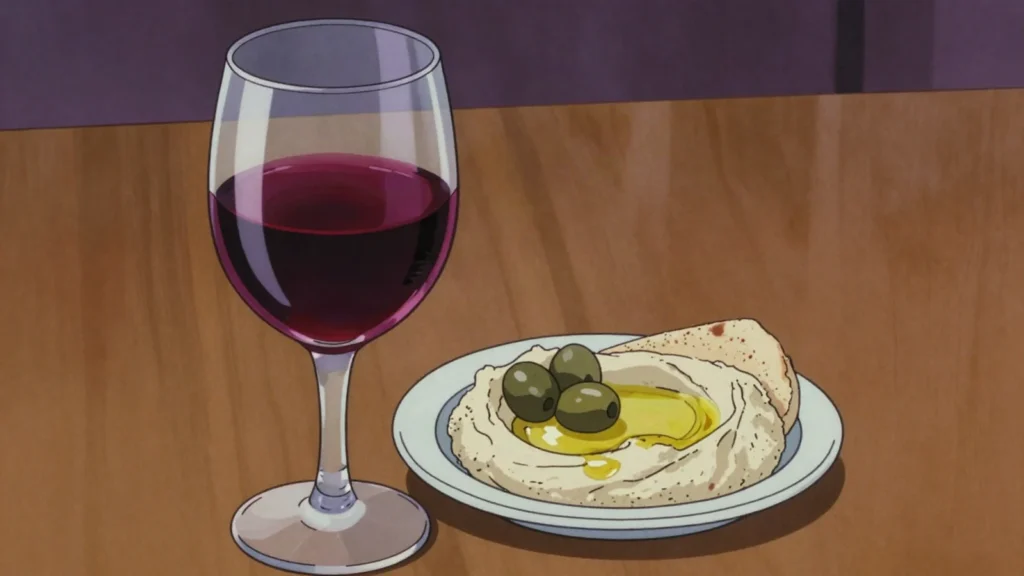
- 1 bottlechilled to 16–18°C (60–65°F) for red, 10–12°C (50–55°F) for white
- Large-bowled stemmed glasses
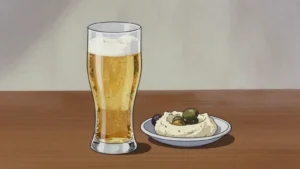
- Mezze, grilled meats and hard mountain cheese
Directions
- Understand the site: the Bekaa is a high plateau between the Lebanon and Anti-Lebanon ranges, with 300 days of sun, cold nights and almost no summer rain, so the fruit ripens fully while holding acidity.
- Harvest runs from late August for whites to early October for Cabernet, almost always by hand into small crates, at 13–14.5 percent potential alcohol.
- Reds are destemmed, crushed and fermented on the skins at 26–30°C (80–85°F) for one to two weeks, with the cap punched down or pumped over twice daily to draw out colour and tannin.
- Press gently after fermentation, run the wine into barrel and allow malolactic fermentation to soften the malic acid over the following weeks.
- Age 12 months or longer in French oak; Chateau Musar famously holds its red in barrel and then bottle for seven years before release, and does not fine or filter it.
- Whites from Obeideh and Merwah are pressed whole-bunch, fermented cool at 16–18°C (60–65°F), and either bottled young and floral or oak-aged into something waxy and nutty.
- To serve, stand the bottle upright a day ahead, then decant older reds slowly off the sediment, an hour before drinking.
- Pour into large glasses, red at cellar temperature rather than room temperature, and serve alongside a full mezze table. The high acidity and dusty tannin are built for garlic, lemon and charcoal.
Technique
- Lebanon has been making wine for over five thousand years; the Phoenicians carried vines across the Mediterranean, and the modern industry restarted with Jesuits at Ksara in 1857.
- Cinsault and Carignan, planted under the French Mandate, are the backbone of the traditional style: perfumed, medium-bodied and often mistaken for old-school Rhone.
- Musar, Ksara, Kefraya, Massaya and Ixsir are the reference producers. Musar’s oxidative, unfiltered style is loved and argued over in equal measure, and bottle variation is part of its character.
- This is a farmed and cellared product, not something to make at home. Buying and serving it correctly is the whole craft on the drinker’s side.
Substitutions
- If Lebanese bottles are hard to find, an old-vine Cinsault-Carignan blend from the southern Rhone or Chile gives the nearest profile.
- For the white, a barrel-fermented Rhone Marsanne stands in for oak-aged Obeideh.
Variations
- Chateau Musar Rouge, the unfiltered Cinsault-Carignan-Cabernet blend released after seven years.
- Arak, the aniseed spirit distilled from Obeideh grapes and served cloudy with water and ice.
- Fresh, unoaked Merwah whites now bottled by small Batroun producers.
History
Jesuits founded Château Ksara in 1857; Château Musar, started in 1930, kept bottling through the civil war.
Frequently asked questions
What is Lebanese wine?
Lebanese wine is a wine & spirit from Lebanon: bekaa Valley reds and whites, often blended in a Bordeaux style. Jesuits founded Château Ksara in 1857; Château Musar, started in 1930, kept bottling through the civil war.
How long does Lebanese wine take to make?
Lebanese wine takes 5 min service of preparation and 12–18 months maturation at the winery of cooking. The recipe makes 1 bottle, 750 ml, 6 glasses. It is rated medium to make.
What can I substitute in Lebanese wine?
Yes, within limits. If Lebanese bottles are hard to find, an old-vine Cinsault-Carignan blend from the southern Rhone or Chile gives the nearest profile. For the white, a barrel-fermented Rhone Marsanne stands in for oak-aged Obeideh.
What is the most important thing to get right in Lebanese wine?
Pour into large glasses, red at cellar temperature rather than room temperature, and serve alongside a full mezze table. The high acidity and dusty tannin are built for garlic, lemon and charcoal.