
Ingredients
Starter
- 150 gactive wheat sourdough starter
Dough
- 900 gwholemeal or high-extraction wheat flour
- 700 mlwarm water
- 18 gsalt
To finish
- sesame seeds
- or nigella seeds, poppy seeds
Equipment
- a bed of clean river pebbles on a heavy tray
- or a baking stone
To serve
- with kebab
- with cheese, herbs and walnuts for breakfast
Directions
- Check the bread before biting into it, because a pebble will break a tooth. Mix the flour and water and let it stand 30 minutes before adding anything else.
- Add the starter and the salt and mix thoroughly. The dough is very wet, around 75 per cent hydration, and it is not kneaded in the usual way.
- Prove for a further hour until visibly risen and bubbly. Use clean, smooth, non-porous river pebbles of a similar size, washed and thoroughly dried. Never use porous or damp stones.
- Spread them in a single layer on a heavy tray and heat them in the oven at maximum, at least 250°C (480°F), for a full hour.
- Oil the pebbles lightly before heating, which stops the dough sticking. Now stretch a portion of dough out on a floured peel into a long oval, about 60 cm.
- Scatter sesame or nigella seeds over. Slide it directly onto the hot pebbles. Bake 8 to 12 minutes until it is browned and blistered and the dimples are set. Lift it off with a peel or long tongs and shake it firmly to dislodge any pebbles.
- Shake it properly and then check it again by hand, which is exactly what bakery staff do before handing it over. In Iranian bakeries the bread is hung over a rail to cool, which lets steam escape and keeps it from going soggy. Serve it warm, torn by hand rather than cut.
Technique
- Sangak bakeries are a fixture of Iranian towns and the ovens are built with a sloped pebble floor.
- The wholemeal flour and the sourdough make it nutritionally the best regarded of the Iranian breads.
- It stales quickly and is bought fresh daily.
Substitutions
- A baking stone in place of pebbles, which gives no dimples but works.
- High-extraction bread flour in place of wholemeal.
Variations
- With sesame, nigella or poppy seeds.
- Made shorter for a home oven.
- Barbari, the thicker Iranian flatbread.
History
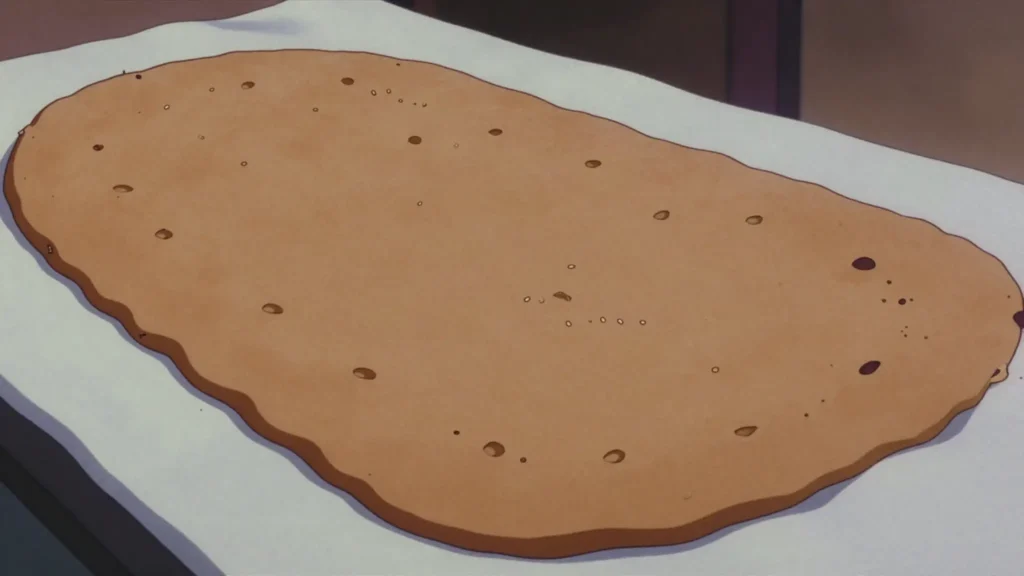
A large, thin flatbread, traditionally baked directly on a bed of small, hot pebbles rather than a flat oven surface, giving the bread its distinctive dimpled, textured underside once the pebbles are removed after baking, documented in Persian baking for many centuries and considered one of Iran’s oldest and most traditional bread styles. Its baking method, requiring a specialized oven with a pebble bed, historically made sangak more associated with dedicated bakeries than home baking, distinguishing it from some other Iranian breads more commonly made in home kitchens. Sangak remains a staple bread across Iran, commonly bought fresh daily from specialized bakeries rather than store-bought or mass-produced, reflecting its continued strong association with fresh, traditional preparation.
Frequently asked questions
What is Sangak?
Sangak is a bread & pastry from Iran: whole-wheat sourdough flatbread baked on hot pebbles. A large, thin flatbread, traditionally baked directly on a bed of small, hot pebbles rather than a flat oven surface, giving the bread its distinctive dimpled, textured underside once the pebbles are removed after baking, documented in Persian baking for many centuries and considered one of Iran’s oldest and most traditional bread styles. Its baking method, requiring a specialized oven with a pebble bed, historically made sangak more associated with dedicated bakeries than home baking, distinguishing it from some other Iranian breads more commonly made in home kitchens. Sangak remains a staple bread across Iran, commonly bought fresh daily from specialized bakeries rather than store-bought or mass-produced, reflecting its continued strong association with fresh, traditional preparation.
How long does Sangak take to make?
Sangak takes 30 min plus 12 hr sourdough and 3 hr rising of preparation and 15 min of cooking. The recipe makes 3 large loaves. It is rated hard to make.
What can I substitute in Sangak?
Yes, within limits. A baking stone in place of pebbles, which gives no dimples but works. High-extraction bread flour in place of wholemeal.
What is the most important thing to get right in Sangak?
Prove for a further hour until visibly risen and bubbly. Use clean, smooth, non-porous river pebbles of a similar size, washed and thoroughly dried. Never use porous or damp stones.