
Ingredients
The dough
- 300 gplain flour
- 1egg
- about 150 ml water
- or milk
- 1 tablespoonsugar
- 1 teaspoonsalt
- 3 tablespoonsmelted margarine
- or ghee
- extra oil, to coat
The filling
- 4bananas
- sliced
- 4eggs
- one per roti
To cook
- margarine, plenty
- a large flat griddle
- or a heavy frying pan
To finish
- condensed milk, to drizzle
- sugar, to scatter
- chocolate sauce, optional
Directions
- Work it outward from the centre. It has a high water content that helps. Butter burns faster than margarine. The griddle carries a lot of hot fat. Keep your face well away from it. Add things gently rather than dropping them. Hot fat causes genuinely serious burns. Keep it there for twenty full minutes. It is spread thin and cooks fast.
- Put the flour, sugar and salt in a bowl. Whisk them together thoroughly first. Then the wet ingredients go in. Beat the egg and add it to the flour. Add the water or milk gradually. Add it in just a splash at a time.
- Knead it for about ten minutes. Ten minutes is genuinely needed. Knead the melted margarine into it. Add it after the gluten has developed. Knead it until fully absorbed. The dough becomes smooth and glossy. Divide the dough into small balls. Make them about the size of a golf ball.
- Roll each one smooth and tight. Weigh them if you want them exact. Put the balls in a container of oil. They must be fully submerged in it. Use enough oil to cover them fully. Cover the container and leave it. Give it at least four full hours. Oil coats the gluten strands entirely. Oil a large flat working surface. Oil rather than flour the surface.
- Flour makes the dough tear and stick. Oil both of your hands as well. Press a ball out flat with your palm. Press outward from the centre. Work it into a rough circle first. Keep the pressure even all round. It should thin out quite easily. Work the dough thinner and thinner. Stretch it until nearly transparent.
- Work it outward with your fingers. Pull gently rather than tugging hard. Work slowly and quite gently at it. It takes real practice to do at all. Heat the griddle with plenty of margarine.
- Use a steady medium-high heat here. The margarine should sizzle but not smoke. Lay the stretched dough on the griddle. Lift it with both hands to move it. Lay it down in one single movement. Lay banana slices over the centre. Cover only the middle third of it.
- Spread them in a single layer. Do not pile them all up at all. Crack one egg onto the banana. Break the yolk and spread it out. Spread it thin with a spatula. A thin layer cooks in seconds. Fold the thin edges over the filling.
- Fold in the left and right sides. The thin edges become crisp layers. Fry it until golden on both sides. Give it about two minutes a side. Add more margarine as it cooks. Press it down with the spatula. Press firmly but do not tear it. Turn it over once or twice more. Judging it takes a careful look.
- Cut it into squares on the griddle. Use the spatula edge to cut it. Cut it into bite sized squares. Scatter sugar over the top of that. Serving it is always done at once. Serve it straight from the griddle. It softens noticeably within minutes. Make them one at a time to order. It does not keep at all well after.
Technique
- Resting the dough balls fully submerged in oil for at least four hours and preferably overnight is what makes the stretching possible: the oil coats the gluten strands so they slide past each other, making the dough extraordinarily stretchy. That step cannot be skipped, and the oil is reused rather than wasted.
- The griddle carries a lot of hot fat which spits when anything wet goes in — keep your face well away and add things gently rather than dropping them. Hot fat causes serious burns and sticks to skin as it burns; run any burn under cold water for a full twenty minutes.
- Oil the working surface and your hands rather than flouring them, since flour makes the dough tear and stick. Press outward from the centre and pull gently rather than tugging, which tears it — small holes are acceptable and close as it folds, but large tears mean starting that ball again.
Substitutions
- Milk gives a richer softer dough and water a slightly crisper one; both are genuinely used. Ghee stands in for margarine, though margarine is the street standard and its water content genuinely helps — the atlas records what is used rather than treating it as a compromise.
- Vendors throw and slap the dough to stretch it in a second, which takes real practice; pressing it out with oiled hands from the centre is slower but far more controllable and is the practical route.
Variations
- Spread the egg thin with a spatula after breaking the yolk, since a thin layer cooks in seconds where a thick one stays raw inside and carries a salmonella risk.
- Fold the thin edges in from all four sides over the filling: that creates multiple thin layers which crisp separately, and is the whole point of the folding.
- Use ripe sweet soft bananas, since green ones are starchy and hard and will not caramelise at all. The dish came to Thailand with Muslim vendors of South Asian descent and the name combines both languages — roti for bread, gluay for banana.
History
Brought to Thailand by Muslim vendors of South Asian descent and now a night-market standard nationwide.
Frequently asked questions
What is Roti Gluay?
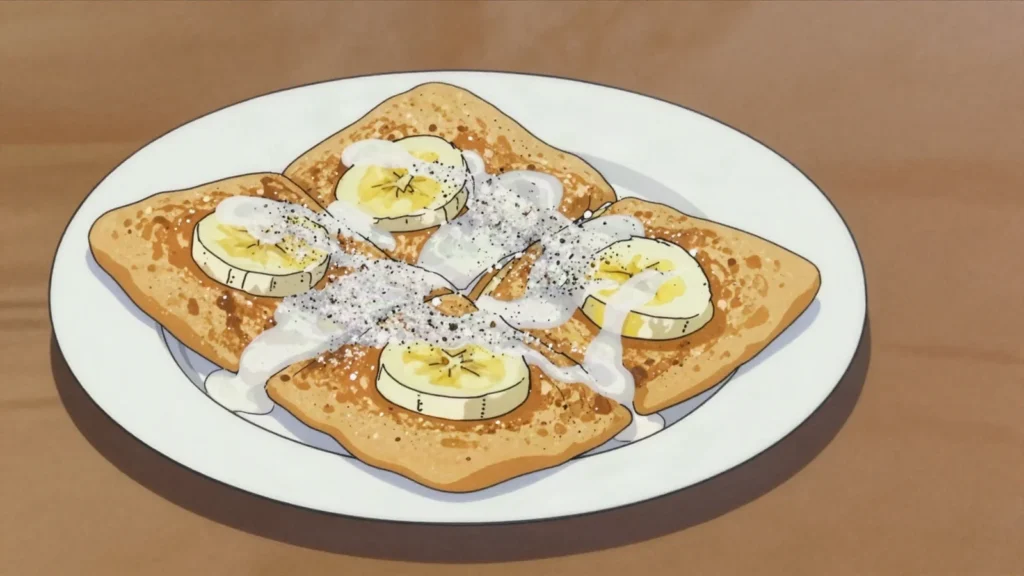
Roti Gluay is a street food from Thailand: thin dough stretched, fried in margarine with banana and egg, drizzled with condensed milk. Brought to Thailand by Muslim vendors of South Asian descent and now a night-market standard nationwide.
How long does Roti Gluay take to make?
Roti Gluay takes 30 minutes plus resting of preparation and 20 minutes of cooking. The recipe makes serves 4. It is rated hard to make.
What can I substitute in Roti Gluay?
Yes, within limits. Milk gives a richer softer dough and water a slightly crisper one; both are genuinely used. Ghee stands in for margarine, though margarine is the street standard and its water content genuinely helps — the atlas records what is used rather than treating it as a compromise. Vendors throw and slap the dough to stretch it in a second, which takes real practice; pressing it out with oiled hands from the centre is slower but far more controllable and is the practical route.
What is the most important thing to get right in Roti Gluay?
Work it outward from the centre. It has a high water content that helps. Butter burns faster than margarine. The griddle carries a lot of hot fat. Keep your face well away from it. Add things gently rather than dropping them. Hot fat causes genuinely serious burns. Keep it there for twenty full minutes. It is spread thin and cooks fast.