
Ingredients
What goes into the still (distillery scale, for reference)
- 1tonne freshly cut sugar cane, crushed within 24 hours to yield about 600 litres of juice (vesou)
- Cultured or wild yeast, pitched to ferment the juice at 28–32°C (80–90°F)
- No molasses, no added sugar and no water beyond dilution at bottling
Ti punch, the standard Mauritian and Creole serve
- 50 mlrhum agricole blanc, 50–55 percent ABV
- 1 tspcane syrup (sirop de sucre de canne) or 1 bar spoon raw cane sugar
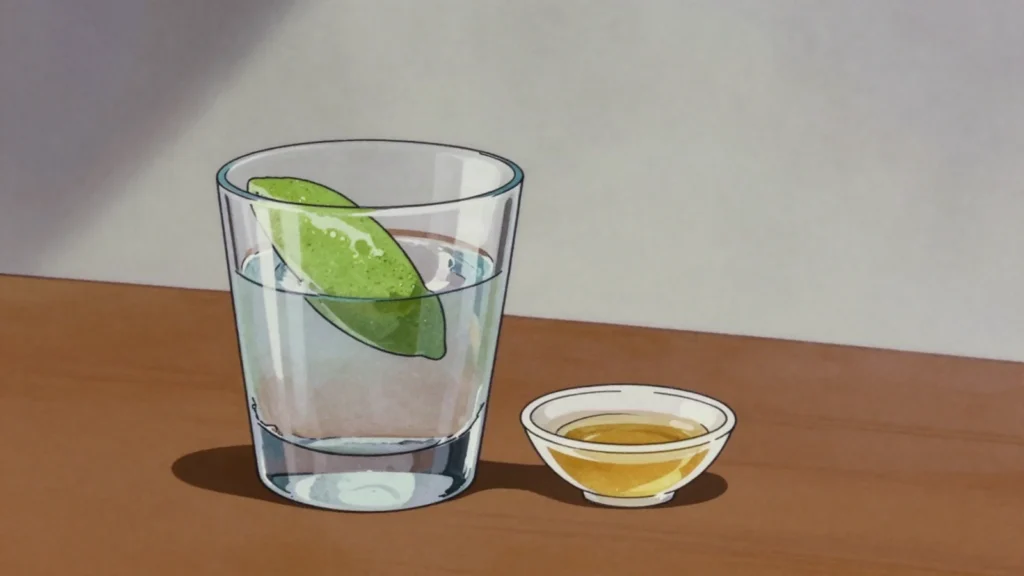
- 1thick disc of lime peel with a little flesh attached, cut from the side of the lime
- No ice, or one large cube if you must
Glassware
- 1small heavy tumbler of about 100 ml, room temperature
- 1bar spoon
Directions
- Understand the raw material first: rhum agricole is distilled from fresh pressed cane juice, not from molasses. This is what gives it its grassy, vegetal, faintly olive-like character, quite unlike the caramel sweetness of industrial rum.
- At the distillery the cane is cut and crushed the same day, because cut cane starts to sour within about 24 hours and the juice with it.
- The vesou is fermented in open or closed vats for 24 to 72 hours to roughly 4–6 percent alcohol. Short ferments give a cleaner spirit, longer ones a wilder, more estery one.
- The wash is distilled once in a creole column still, a tall single column that strips the alcohol out in one continuous pass and comes off at about 68–75 percent ABV, carrying far more of the cane aroma than a neutral column would.
- The distillate is rested in stainless steel for several weeks to let it settle, then reduced with water to 40–55 percent for blanc, or laid down in oak for ambre and vieux.
- In Mauritius the style is made at estates such as Chamarel, Saint Aubin and Rhumerie de Mascareignes, where the cane grows on the same ground as the still.
- To pour a ti punch, put the cane syrup in the bottom of the tumbler, add the lime disc and press it once with the bar spoon to release the oil, without shredding it.
- Pour the rum over, stir briefly with the spoon, and serve without ice or with a single large cube. The drink is meant to be short, strong and barely diluted.
- Taste and adjust to your own hand, which is the whole convention: chacun prepare sa propre mort, each drinker mixes his own.
Technique
- Rhum agricole is a legally defined style in the French islands, where AOC Martinique sets rules on cane variety, ferment and distillation. Mauritian producers follow the same method without the appellation, and often label the result rhum agricole simply because the technique is identical.
- Do not distil at home. Beyond the legal problem in most countries, small pot runs concentrate methanol and other heads in ways that are genuinely dangerous without proper cuts and instruments.
- The lime is squeezed for oil, not juice. A ti punch drowned in lime juice is a daiquiri; the Creole version is aromatic rather than sour.
- Blanc is bottled at high strength on purpose. Diluting it to 40 percent flattens the grassy top notes that distinguish cane-juice rum.
Substitutions
- No Mauritian bottle: any Martinique or Guadeloupe rhum agricole blanc, or Haitian clairin, behaves the same way in a ti punch.
- No cane syrup: dissolve equal weights of raw cane sugar and hot water and cool.
- Molasses-based white rum will make a drinkable punch but tastes sweeter and rounder, with none of the green cane note.
Variations
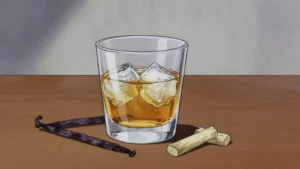
- Rhum arrange is the Mauritian and Reunion habit of steeping the blanc with vanilla, spices, litchi or pineapple for weeks in a jar.
- Rhum vieux, aged three years or more in oak, is drunk neat from a tulip glass, never in a punch.
- Chamarel and other estates also bottle a lightly aged ambre used in cocktails.
History
The Dutch planted sugarcane on Mauritius in 1639; distilleries at Chamarel and Saint Aubin now make rum from juice rather than molasses.
Frequently asked questions
What is Rhum agricole?
Rhum agricole is a wine & spirit from Mauritius: rum distilled from fresh cane juice, grassy and dry. The Dutch planted sugarcane on Mauritius in 1639; distilleries at Chamarel and Saint Aubin now make rum from juice rather than molasses.
How long does Rhum agricole take to make?
Rhum agricole takes 5 min for the serve of preparation and Cane cut to bottle in 3–10 days at the distillery of cooking. The recipe makes explanation of production, plus 1 ti punch. It is rated easy to make.
What can I substitute in Rhum agricole?
Yes, within limits. No Mauritian bottle: any Martinique or Guadeloupe rhum agricole blanc, or Haitian clairin, behaves the same way in a ti punch. No cane syrup: dissolve equal weights of raw cane sugar and hot water and cool. Molasses-based white rum will make a drinkable punch but tastes sweeter and rounder, with none of the green cane note.
What is the most important thing to get right in Rhum agricole?
Taste and adjust to your own hand, which is the whole convention: chacun prepare sa propre mort, each drinker mixes his own.