
Ingredients
Chhena
- 2 litreswhole milk, full fat
- 3 tbsplemon juice or vinegar, in 3 tbsp water
- ice cubes
To knead
- 1 tspfine semolina or plain flour, optional
Syrup
- 400 gsugar
- 1.5 litreswater
- 4cardamom pods, crushed
- 1 tsprose water, optional
Equipment
- muslin
- a wide deep pot with a tight lid
To serve
- chilled, in the syrup
Directions
- Use full-fat milk and not ultra-pasteurised, which often refuses to curdle cleanly. Bring the milk to a boil, then take it off the heat and let it cool for 2 minutes.
- Add the diluted lemon juice a spoonful at a time, stirring gently, until the milk separates. Add the acid gradually and stop as soon as it splits. Too much makes the chhena hard and sour, and hard chhena will never make a spongy rasgulla.
- Strain through muslin and rinse the curds under cold running water. Gather the cloth and hang it for 30 minutes to drain, or press it lightly. Drain it but do not squeeze it dry. The chhena should be moist, and over-drained chhena cracks when you shape it.
- Roll it into small smooth balls with no cracks at all, about the size of a large marble. Check every ball for cracks and re-roll any that have them, because a crack opens up in the syrup.
- Make them small, because they double in size as they cook. Bring the sugar and water to a rolling boil in a wide deep pot. Use a thin syrup, not a thick one. The pot must be wide and deep, because the balls swell enormously and need room.
- Drop the balls into the rolling syrup and cover immediately. Boil them hard for 15 minutes with the lid on. Keep the syrup at a genuine rolling boil throughout. Do not lift the lid for the first 10 minutes. Add a splash of hot water if the syrup thickens too much as it boils. They are done when they have roughly doubled and sink slowly when dropped into a glass of cold water.
- Take them off the heat and let them cool in the syrup. They must cool in the syrup, which is when they absorb it. Add the rose water and cardamom once cooled. Chill for at least 4 hours before serving. Serve cold, two or three per person, in a little of the syrup. A properly made one should squeeze out its syrup when pressed and spring back.
Technique
- The semolina is insurance and is not traditional, though many home cooks add a pinch.
- Odia rasagola is often browner and softer, and Bengali rasogolla whiter and springier.
- They keep three days refrigerated in their syrup.
Substitutions
- Ready-made paneer will not work, because it is pressed and dry.
- Vinegar or citric acid in place of lemon juice.
Variations
- Rasmalai, flattened and soaked in thickened milk.
- Kamalabhog, the orange-flavoured Bengali version.
- Brown rasagola, cooked in caramelised syrup.
History
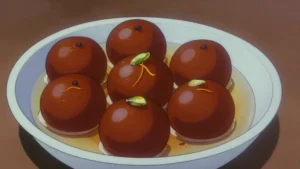
Soft, spongy balls of chhena, a fresh, unaged curd cheese, boiled in a light sugar syrup, whose origin is the subject of a genuine and long-running dispute between the Indian states of West Bengal and Odisha, each claiming to have invented the dessert first. Odisha’s claim centers on a much older tradition tied to the Jagannath Temple in Puri, where a similar sweet is said to have been offered to the deity for centuries, while West Bengal’s claim credits confectioner Nobin Chandra Das with inventing the modern rasgulla in Kolkata in 1868, refining chhena-based sweets into their now-familiar spongy form. In 2017, Indian authorities granted West Bengal a geographical indication tag for the name specifically, though the underlying historical dispute over true origin remains unresolved.
Frequently asked questions
What is Rasgulla?
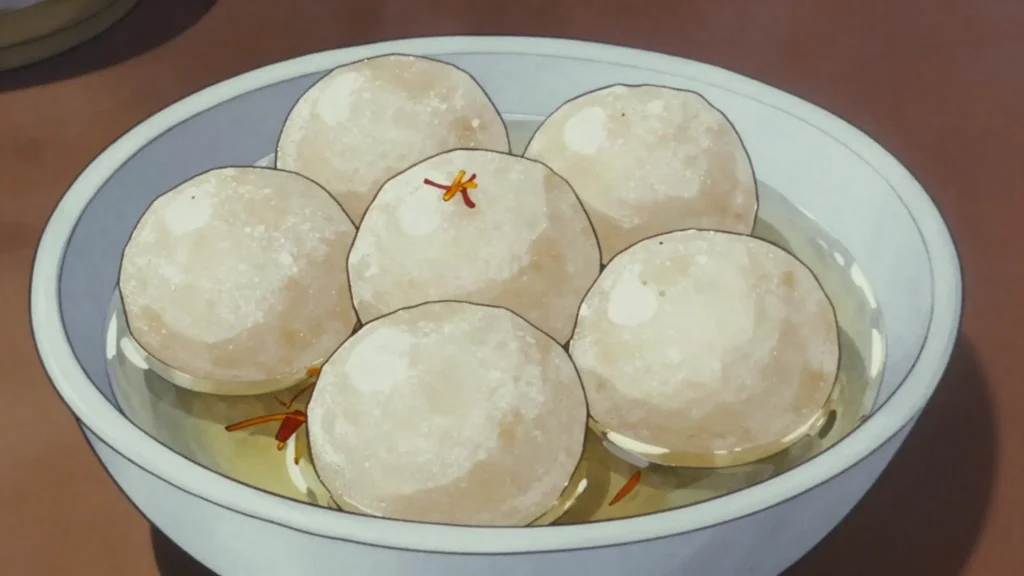
Rasgulla is a dessert from India: spongy Bengali cheese balls poached in light syrup. Soft, spongy balls of chhena, a fresh, unaged curd cheese, boiled in a light sugar syrup, whose origin is the subject of a genuine and long-running dispute between the Indian states of West Bengal and Odisha, each claiming to have invented the dessert first. Odisha’s claim centers on a much older tradition tied to the Jagannath Temple in Puri, where a similar sweet is said to have been offered to the deity for centuries, while West Bengal’s claim credits confectioner Nobin Chandra Das with inventing the modern rasgulla in Kolkata in 1868, refining chhena-based sweets into their now-familiar spongy form. In 2017, Indian authorities granted West Bengal a geographical indication tag for the name specifically, though the underlying historical dispute over true origin remains unresolved.
How long does Rasgulla take to make?
Rasgulla takes 40 min of preparation and 30 min of cooking. The recipe makes about 20. It is rated hard to make.
What can I substitute in Rasgulla?
Yes, within limits. Ready-made paneer will not work, because it is pressed and dry. Vinegar or citric acid in place of lemon juice.
What is the most important thing to get right in Rasgulla?
Add the diluted lemon juice a spoonful at a time, stirring gently, until the milk separates. Add the acid gradually and stop as soon as it splits. Too much makes the chhena hard and sour, and hard chhena will never make a spongy rasgulla.