
Ingredients
The pasta
- 400 gdried pasta
- penne or spaghetti
- plenty of salted water
The sauce
- 2onions, finely chopped
- 4garlic cloves, crushed
- 3 tablespoonsniter kibbeh
- spiced clarified butter, or oil
- 2 tablespoonsberbere
- or to taste
- 3 tablespoonstomato paste
- 6tomatoes, chopped
- or 1 tin chopped tomatoes
- about 300 ml water
- salt
Sometimes added
- 1carrot, finely diced
- a handful of peas
- a pinch of sugar
To serve
- grated hard cheese
- or none at all
- with bread
Directions
- Butter is melted with spices and aromatics. It keeps without refrigeration. Add a little extra berbere to compensate. Some blends are very hot indeed. Start with less than the recipe says. Add more once you have tasted it. Both of them are done in Asmara.
- Melt the niter kibbeh in a heavy pan. Add all the chopped onions to it. Cook them for a good ten minutes. The onions should soften right down. Add the crushed garlic to the pan. Cook it for one full minute only. One minute is quite enough for it.
- Add it after the onion has softened. Stir the berbere into the pan. Cook it for a good two full minutes. Ground spice burns fast in hot fat. Stir it constantly for those two minutes. Add the tomato paste to the pan. Cook it for two more full minutes. Two minutes is quite enough for it. Add the chopped tomatoes to the pan. Add the water and season it with salt. Bring it up to a gentle simmer.
- Let it cook for about thirty minutes. The sauce needs time to deepen. Add water if it reduces too far. It should thicken considerably. Add diced carrot with the tomatoes. Add the peas in near the very end. Taste the sauce and adjust it. It should be clearly spiced and hot. Add more berbere if it is flat.
- Add a pinch of sugar if it is sharp. It should not taste sweet at all. Use it only if it genuinely needs it. Bring a large pot of water to a boil. Salt the water very generously. Pasta water should taste of the sea. Cook the pasta until it is just done.
- Start tasting two minutes early. It should still have a slight bite. Drain all of the cooked pasta. Do not rinse the pasta at all. Add the drained pasta to the sauce. Toss it through the sauce thoroughly.
- Toss it properly through in the pan. Add a splash of the pasta water. The starch helps it cling to the pasta. Add it in just a little at a time. Serving it is always done hot. Spoon it out into warm deep bowls. Grate cheese over it if you like. Serve plenty of bread alongside. It keeps two days refrigerated.
Technique
- Italy colonised Eritrea from 1890 to 1941 and the pasta habit came from that occupation, which the atlas records rather than softening. What Eritreans made of it is their own: the sauce was rebuilt entirely around berbere and niter kibbeh with no basil or oregano at all, so it tastes Eritrean rather than Italian. That rebuilding is the interesting part of the dish.
- Berbere must be cooked in fat for two full minutes, which deepens the flavour and releases its oil so the pan turns deep red — raw berbere tastes harsh and dusty. But ground spice burns fast in hot fat, so lower the heat before it goes in and stir constantly, since burnt berbere is bitter and ruins the sauce.
- Berbere strengths vary considerably and some blends are very hot, so start with less than the recipe says and add more after tasting.
Substitutions
- Ordinary oil stands in for niter kibbeh, the spiced clarified butter; the result is less complex but good, and a little extra berbere compensates.
- Diced carrot added with the tomatoes and peas near the end are both common in Asmara, though neither is essential.
Variations
- Save a cup of the pasta cooking water before draining: the starch in it loosens a thick sauce and helps it cling. Never rinse the pasta, which washes off the surface starch that holds the sauce.
- Toss the drained pasta through the sauce in the pan rather than pouring sauce on top, which coats every piece.
- Some households in Asmara serve it with grated cheese and others with none at all.
History
Italy ruled Eritrea from 1890 to 1941; Asmara kept the pasta habit but rebuilt the sauce around berbere and spiced butter.
Frequently asked questions
What is Pasta al sugo e berbere?
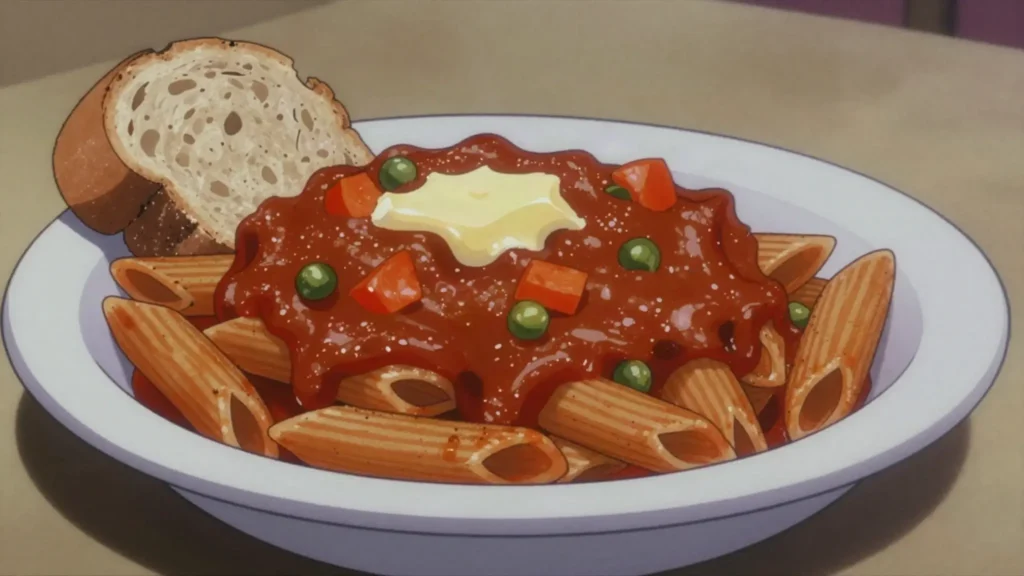
Pasta al sugo e berbere is a main from Eritrea: asmara’s Italian legacy: pasta in berbere-spiked tomato sauce. Italy ruled Eritrea from 1890 to 1941; Asmara kept the pasta habit but rebuilt the sauce around berbere and spiced butter.
How long does Pasta al sugo e berbere take to make?
Pasta al sugo e berbere takes 20 minutes of preparation and 45 minutes of cooking. The recipe makes serves 4. It is rated easy to make.
What can I substitute in Pasta al sugo e berbere?
Yes, within limits. Ordinary oil stands in for niter kibbeh, the spiced clarified butter; the result is less complex but good, and a little extra berbere compensates. Diced carrot added with the tomatoes and peas near the end are both common in Asmara, though neither is essential.
What is the most important thing to get right in Pasta al sugo e berbere?
Start tasting two minutes early. It should still have a slight bite. Drain all of the cooked pasta. Do not rinse the pasta at all. Add the drained pasta to the sauce. Toss it through the sauce thoroughly.