
Ingredients
Brine
- 2 litreswater
- 100 gcoarse non-iodised salt — 5%
- 60 mlbaijiu, or vodka
- 2 tbsprock sugar
- 4 slicesginger
- 6dried red chillies
- 1 tbspSichuan peppercorns
- 2star anise
- 1small piece cassia bark
Vegetables
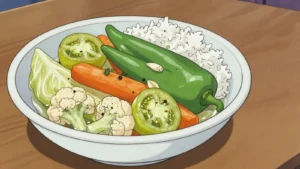
- 500 gwhite radish, cut in thick batons
- 300 gcarrots, cut in thick batons
- 300 gwhite cabbage, in wide strips
- 200 ggreen beans, topped and tailed
- 4 clovesgarlic, peeled
Directions
- Boil the water with the salt, sugar, ginger, chillies, Sichuan peppercorns, star anise and cassia for five minutes, then cool it completely. Stir in the baijiu once it is cold — added hot, the alcohol simply evaporates.
- Scrub the crock and make sure it and every utensil are completely free of oil. Oil is the one thing that reliably ruins a pao cai jar: it feeds a film of yeast that turns the brine slimy and the whole crock has to be thrown out.
- Wash the vegetables and dry them completely. Any water clinging to them dilutes the brine.
- Pack the vegetables and garlic into the crock and pour over the cold brine so everything is submerged. Weight anything that floats.
- If it is a water-sealed Sichuan crock, fill the rim moat with water and set the lid in it — that is what lets carbon dioxide out while keeping air from getting in.
- Leave at cool room temperature for three to five days for the first batch, tasting from day three. Radish and cabbage are ready fastest; harder vegetables take longer.
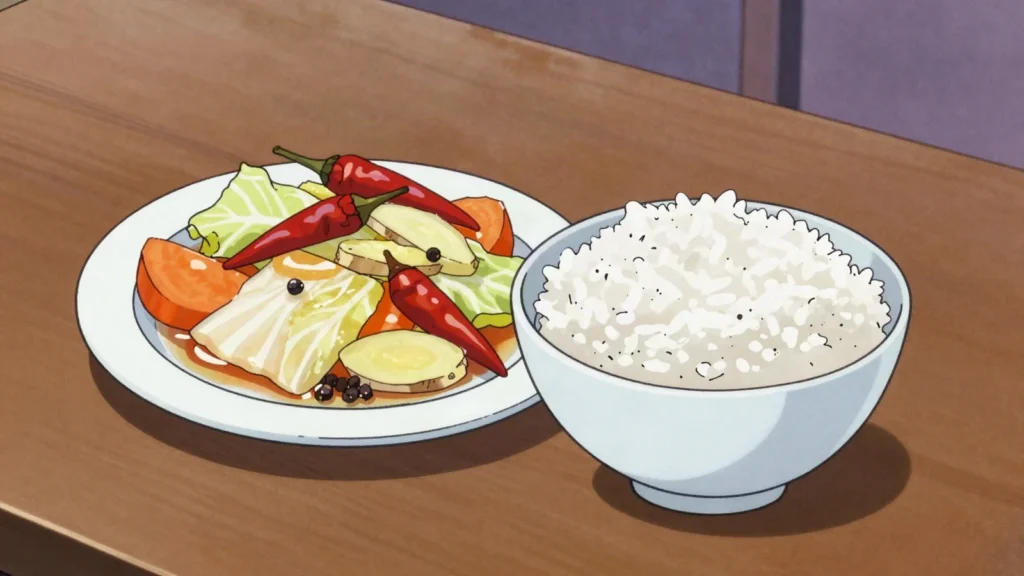
- Eat as a crunchy sour side to rice. Top the crock up with more vegetables and a little extra salt as you take them out — a well-kept jar runs for years and the old brine is the starter for everything that follows.
Technique
- Never let oil, or an oily chopstick, near the crock. This is the single rule Sichuan households enforce absolutely.
- Use a dedicated pair of clean dry chopsticks for lifting things out, and put nothing back in once it has been on a plate.
- The brine improves with age. A jar’s value is its accumulated culture, which is why they are handed down.
Substitutions
- Vodka or a neutral spirit for baijiu; it is there to suppress surface yeast rather than for flavour.
- Cauliflower, lotus root, celery or long beans, all of which are pickled this way.
Variations
- A fast version pickles thin-cut vegetables overnight for a fresh, barely sour side.
- Old sour pao cai is cooked rather than eaten raw, in fish soup or stir-fried with mince.
History
Sichuan households keep perpetual pickle jars, some passed down generations, whose old brine is prized as a starter.
Frequently asked questions
What is Pao Cai?
Pao Cai is a fermented & pickled from China: vegetables brined in a salt-and-baijiu crock; crunchy, sour, served with rice. Sichuan households keep perpetual pickle jars, some passed down generations, whose old brine is prized as a starter.
How long does Pao Cai take to make?
Pao Cai takes 30 min plus 3 to 5 days for the first batch of preparation and 10 min of cooking. The recipe makes fills a 3-litre crock. It is rated easy to make.
What can I substitute in Pao Cai?
Yes, within limits. Vodka or a neutral spirit for baijiu; it is there to suppress surface yeast rather than for flavour. Cauliflower, lotus root, celery or long beans, all of which are pickled this way.
What is the most important thing to get right in Pao Cai?
Scrub the crock and make sure it and every utensil are completely free of oil. Oil is the one thing that reliably ruins a pao cai jar: it feeds a film of yeast that turns the brine slimy and the whole crock has to be thrown out.