
Ingredients
Batter
- 300 gmillet flour
- 200 grice flour
- 60 ggranulated sugar
- 1/2 tspsalt
- 1 tspinstant yeast, or 3 tbsp batter from a previous batch
- 600 mlwarm water, approximately
Sometimes added
- 1/2 tspgrated nutmeg
- 1 tspbaking powder, just before frying
For cooking
- vegetable oil, or peanut oil
Equipment
- a dimpled cast-iron pan, or a small heavy frying pan
To serve
- sugar, to dust
- hot sweet tea
Directions
- Put both flours, the sugar and the salt in a large bowl. Whisk in the yeast, or the reserved batter from a previous batch. Add the warm water gradually while whisking.
- Whisk until it is completely smooth with no lumps. It should be the consistency of a thick pancake batter. Cover the bowl with a cloth rather than a lid. Leave it at room temperature overnight, or for at least eight hours. It should rise, bubble and smell pleasantly sour.
- Discard it and start again if it smells putrid rather than sour. Whisk it down and check the consistency again. Loosen it with a little warm water if it has gone too thick.
- Stir in the nutmeg and the baking powder if you are using them. Now the pan, which needs to be properly hot. Set the dimpled pan over a medium heat. Let it heat for five full minutes. Pour a teaspoon of oil into each hollow. The oil should shimmer but not smoke.
- Spoon batter into each hollow to about three quarters full. They rise as they cook and will overflow if filled to the brim. Cook them for about three minutes on the first side. The underside should be deep golden. Turn each one with a skewer or a small spoon.
- Cook the second side for two or three minutes. They should be golden on both sides and cooked through. Break one open to check the first batch. The middle should be light and cooked, not wet. Heat a centimetre of oil in a small heavy frying pan. Drop tablespoons of batter into the oil. Fry them for two minutes a side until golden.
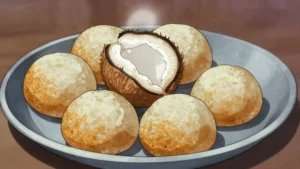
- Lift them onto a rack lined with paper. Do not stack them while hot, since they will go soggy. Dust them with sugar while they are still warm if you want them sweeter. Serve them piled in a bowl with hot sweet tea. They are best within a few hours and go dense by the next day.
Technique
- Ferment the batter overnight, which is what gives the sourness and the lightness.
- Save three spoonfuls of batter as a starter for the next batch.
- Do not fill the hollows more than three quarters, since they rise as they cook.
Substitutions
- An aebleskiver pan or a takoyaki pan in place of a dimpled cast-iron pan.
- All rice flour for a lighter, blander fritter.
Variations
- Made with all millet flour, for a stronger flavour.
- With mashed banana beaten into the batter.
- Savoury, with the sugar left out and salt increased.
History
Fermented millet or rice batter is fried in a dimpled pan; the small sweet cakes are sold in market stalls and given out at ceremonies.
Frequently asked questions
What is Maasa?
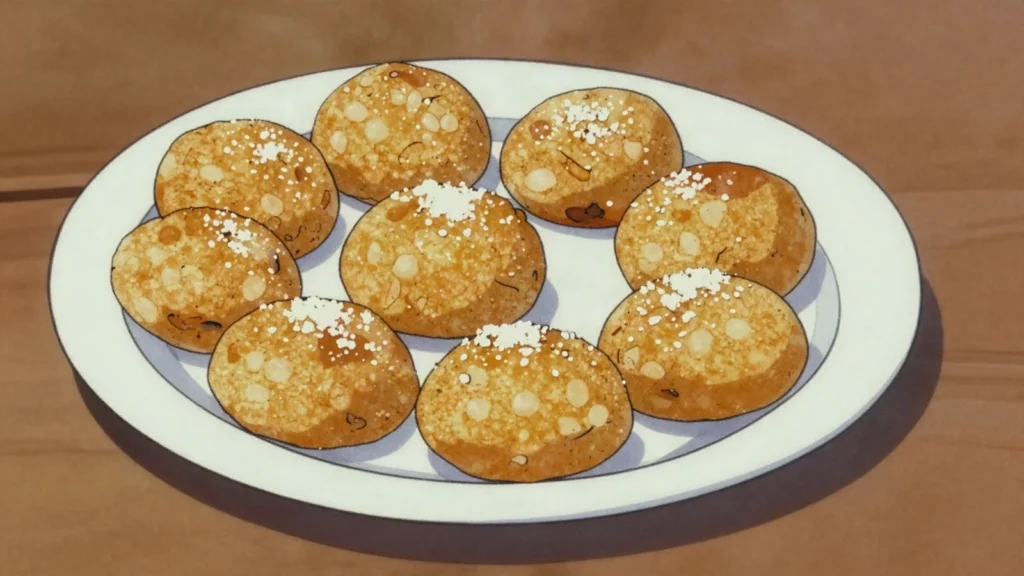
Maasa is a snack from Mali: sweet fried millet-rice fritters sold at markets. Fermented millet or rice batter is fried in a dimpled pan; the small sweet cakes are sold in market stalls and given out at ceremonies.
How long does Maasa take to make?
Maasa takes 20 min plus overnight fermenting of preparation and 30 min of cooking. The recipe makes 30 fritters. It is rated medium to make.
What can I substitute in Maasa?
Yes, within limits. An aebleskiver pan or a takoyaki pan in place of a dimpled cast-iron pan. All rice flour for a lighter, blander fritter.
What is the most important thing to get right in Maasa?
Whisk until it is completely smooth with no lumps. It should be the consistency of a thick pancake batter. Cover the bowl with a cloth rather than a lid. Leave it at room temperature overnight, or for at least eight hours. It should rise, bubble and smell pleasantly sour.