
Ingredients
The plantains
- 6ripe plantains
- yellow with black patches
- not fully blackened
- about 1.2 kg peeled
For cooking
- water, to cover
- or enough to steam
- 1 teaspoonsalt
To finish
- 2 tablespoonsred palm oil
- or butter, or vegetable oil
- salt, to taste
- a little hot water
- if needed
Sometimes added
- 1onion, finely chopped and fried
- a little grated coconut
- a pinch of chilli
To serve
- a meat or fish sauce
- dongo-dongo, the okra sauce
- pondu, cassava leaf
- a groundnut sauce
- pili pili, the chilli sauce
Directions
- Cut off both ends. Score the skin lengthways in three places. Cut through the skin but not the flesh. Rub oil on your hands first. Cut the peeled plantains into large chunks. Put them in a pot with salted water to cover.
- Boil them for about twenty minutes. They should be soft right through. Set the chunks in a steamer over boiling water. Steam them for about twenty-five minutes. A wet mash will not hold a ball.
- Let them steam dry in the colander for two minutes. Mash them while they are still hot. Hot plantain mashes smooth easily.
- Mash it smooth but not to a purée. It should be stiff enough to hold a shape. Add it a spoonful at a time. If it is too loose, there is little to do. Work in the palm oil or butter. Warm it gently to melt it. Do not heat it until it smokes.
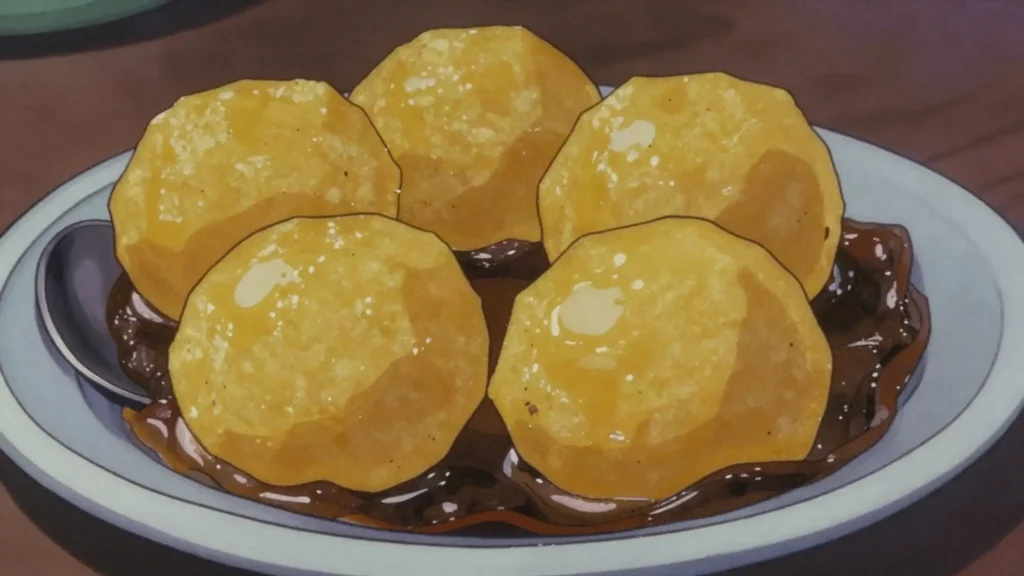
- Add salt and taste it. It will taste flat if underseasoned. Take a handful of the warm mash. Roll it into a smooth ball. Make them about the size of a tennis ball. The mash sticks to dry hands immediately.
- Keep a bowl of cold water beside you. Wet your hands between every ball. Let it cool for five minutes first. Cold water on your hands helps. Roll each ball firmly between wet palms. Or wrapped in one to keep them warm. Serve the balls warm. Serve a sauce alongside in a bowl.
- Take a piece of lituma with the right hand. Press a dent into it with your thumb. Use that dent to scoop up sauce. It is best warm and fresh. Sprinkle it with water before reheating. Wrap the balls individually. Steam them from frozen for twenty minutes.
Technique
- Use plantains that are yellow with black patches, not fully blackened. Fully ripe plantain mashes into a sticky sweet paste that will not hold a shape and tastes like a dessert; green plantain gives a dry crumbly mass. The middle stage is the whole dish.
- Steam rather than boil if you can. Boiled plantain absorbs water and gives a mash too wet to hold a ball; if you do boil it, drain it and let it steam dry in the colander for two minutes.
- Mash it while it is still hot. The starch sets as it cools, and cold plantain goes rubbery and lumpy.
- Never use a food processor. It overworks the starch instantly into a gluey elastic paste — the same rule that applies to mashed potato.
- Err on the stiff side. You can loosen a stiff mash with a spoonful of hot water, but there is very little you can do with one that is too wet.
- Keep a bowl of cold water beside you and wet your hands between every ball. The mash sticks to dry hands immediately, and this is what makes the shaping practical. Let it cool five minutes first rather than burning yourself.
- Roll each ball firmly between wet palms. A loosely rolled ball falls apart when it is picked up.
- Plantain skin exudes a sticky sap that stains hands and clothing brown and is hard to remove. Oil your hands, peel under running water, or wear gloves.
- Do not refrigerate plantains while ripening. Cold blackens the skin without softening the flesh, so a black skin from the fridge tells you nothing about the inside.
- Season it properly. Plantain absorbs a good deal of salt and tastes flat without it.
- Lituma is faintly sweet, and that sweetness against a savoury sauce is deliberate rather than a fault. It surprises people expecting a neutral starch.
- Do not heat palm oil until it smokes. Red palm oil is unrefined, deep orange-red and gives colour as well as flavour, and overheating any oil produces harmful compounds.
- Leftovers are good sliced and fried, which is how they are usually used.
Substitutions
- Butter or vegetable oil replaces red palm oil, at the cost of the colour and character.
- A little grated coconut, fried onion or chilli can be worked into the mash.
- Green plantain mashed with more fat makes a firmer, less sweet version.
- Half plantain and half cassava is made in some households.
- Fufu or rice replaces lituma as the starch alongside the same sauces.
- The balls can be flattened into patties and fried instead.
Variations
- Fufu, made from cassava or maize flour, is the commonest Congolese starch.
- Chikwangue is fermented cassava wrapped in leaves and steamed.
- Matoke in Uganda steams and mashes green cooking bananas.
- Mofongo in Puerto Rico mashes fried green plantain with garlic and pork.
- Fufu de plátano across the Caribbean uses the same fruit differently.
- A version with cassava mashed in alongside the plantain is common.
History
A dish of the Congo river peoples that treats plantain like yam, pounding it to a smooth ball to eat with palm-oil sauces.
Frequently asked questions
What is Lituma?
Lituma is a main from DR Congo: ripe plantain mashed and rolled into balls, eaten with meat or fish sauce. A dish of the Congo river peoples that treats plantain like yam, pounding it to a smooth ball to eat with palm-oil sauces.
How long does Lituma take to make?
Lituma takes 20 minutes of preparation and 30 minutes of cooking. The recipe makes serves 6. It is rated easy to make.
What can I substitute in Lituma?
Yes, within limits. Butter or vegetable oil replaces red palm oil, at the cost of the colour and character. A little grated coconut, fried onion or chilli can be worked into the mash. Green plantain mashed with more fat makes a firmer, less sweet version. Half plantain and half cassava is made in some households. Fufu or rice replaces lituma as the starch alongside the same sauces. The balls can be flattened into patties and fried instead.
What is the most important thing to get right in Lituma?
Mash it smooth but not to a purée. It should be stiff enough to hold a shape. Add it a spoonful at a time. If it is too loose, there is little to do. Work in the palm oil or butter. Warm it gently to melt it. Do not heat it until it smokes.