
Ingredients
Peppers
- 150 ghabanero peppers
- or country pepper
- stems removed
- gloves, for handling
The base
- 1large onion, chopped
- 4garlic cloves
- 3cm ginger, optional
- 1stock cube
- 1 teaspoonsalt
- or to taste
To cover
- 200 mloil
- red palm oil or vegetable oil
Sometimes added
- 2 tablespoonsground dried shrimp
- or crayfish powder
- 1tomato, chopped
- juice of 1 lime
Directions
- Take a very small amount to start. It stays on skin for hours after handling. Rinse with plenty of water if it happens. Wash hands with soap and oil, then soap again. Oil dissolves capsaicin where water does not. Wash boards and knives thoroughly. Do not use the same board for other food.
- Stand back when you open the blender. Anyone with asthma should be particularly careful. Keep this sauce refrigerated rather than at room temperature. Add lime juice to acidify it if keeping it long.
- Discard it if it smells at all off. Never store fresh garlic in oil at room temperature. Put on gloves before you start. Rinse the peppers in cold water. Pull off all of the green stems. Cut the peppers open and scrape out the pith. The traditional sauce is fiercely hot.
- Adjust it to what you will actually eat. Put the peppers in a large mortar. Add the onion and the garlic to it. Pound them all steadily together. Work them into a coarse paste. Work steadily rather than fast. Fast pounding splashes it about. Cover the mortar with a cloth if it splashes.
- Put the peppers into a blender. Add the onion, garlic and ginger. Blend it down to a coarse paste. Do not blend it completely smooth. Crumble the stock cube into the paste. Add the measured salt to it as well. Add the dried shrimp if you are using it. Pack the paste into a clean jar. Press it down to remove air pockets.
- Pour oil over it to cover completely. The oil must cover the paste entirely. Press it down and top up the oil. Heat the oil in a wide heavy pan. Add the pepper paste to the pan.
- Stand well back as you add it. Wet paste in hot oil spits violently. Add it gently and stand well back. Turn on the extractor if you have one. Cooking it takes a few minutes. Fry it gently for about eight minutes. Stir it regularly as it cooks.
- Oil separates and rises to the top. That separation is the sign it is ready. Let it cool completely in the pan. Top it up with oil to cover it. Keep it refrigerated at all times. Use a clean dry spoon every time. Never dip a used spoon into the jar. Put a small dish of it on the table. Take less than you think you want. It keeps three weeks refrigerated. Discard it if it smells at all off.
Technique
- Capsaicin is oil rather than water soluble, so it stays on skin for hours and water does not wash it off; wear gloves for this quantity, never touch your eyes even hours afterwards, and wash hands with soap, then oil, then soap again. Blending large quantities throws capsaicin into the air, which irritates eyes and airways badly, so work in a ventilated space and stand back when opening the blender.
- The layer of oil is not just flavour: it excludes oxygen and slows spoilage, which is what preserves the sauce. But oil-covered low-acid preparations can carry a botulism risk, garlic in oil being the classic example, so keep this refrigerated rather than at room temperature, acidify it with lime juice if keeping it long, and discard it if it smells at all off.
- Most of the heat is in the white pith rather than the seeds, which pick it up by contact; scraping both out makes a noticeably milder sauce, and there is no shame in adjusting it to what you will actually eat.
Substitutions
- Scotch bonnet stands in for country pepper as readily as habanero.
- Ground dried shrimp or crayfish adds savoury depth but makes it unsuitable for vegetarians.
Variations
- It is used raw or cooked briefly in oil, and both are made in Liberia.
- Pounding in a mortar gives a coarse texture where blending gives a smooth one.
- Red palm oil or plain vegetable oil are both used to cover it.
History
Country pepper is pounded fresh and covered with oil; the relish is spooned onto rice and fried fish and is a mark of Liberian cooking.
Frequently asked questions
What is Liberian pepper sauce?
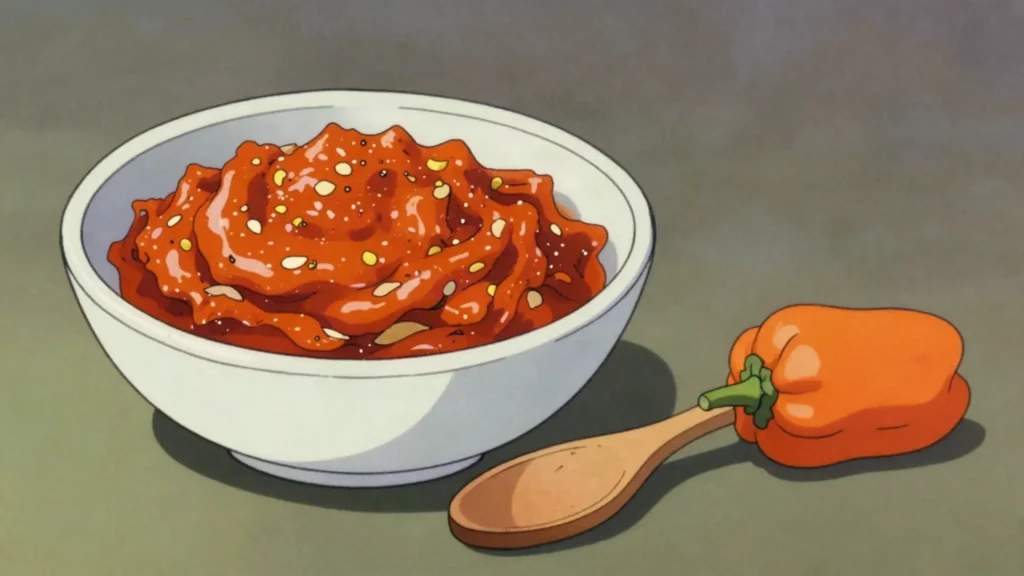
Liberian pepper sauce is a sauce & condiment from Liberia: habanero pounded with onion, oil and seasoning, set on every table. Country pepper is pounded fresh and covered with oil; the relish is spooned onto rice and fried fish and is a mark of Liberian cooking.
How long does Liberian pepper sauce take to make?
Liberian pepper sauce takes 20 minutes of preparation and 10 minutes of cooking. The recipe makes about 400 ml. It is rated easy to make.
What can I substitute in Liberian pepper sauce?
Yes, within limits. Scotch bonnet stands in for country pepper as readily as habanero. Ground dried shrimp or crayfish adds savoury depth but makes it unsuitable for vegetarians.
What is the most important thing to get right in Liberian pepper sauce?
Take a very small amount to start. It stays on skin for hours after handling. Rinse with plenty of water if it happens. Wash hands with soap and oil, then soap again. Oil dissolves capsaicin where water does not. Wash boards and knives thoroughly. Do not use the same board for other food.