
Ingredients
Infusion
- 80 gdried hibiscus calyces (karkadé, oseille de Guinée)
- 1.5 litreswater
- 1thumb fresh ginger, sliced
- 6cloves
- 1cinnamon stick
- 4green cardamom pods, cracked
- ½ tspgrated nutmeg
To finish
- 150–200 gsugar, to taste
- 1 handfulfresh mint leaves
- Juice of 1 lemon
- Ice, to serve
Directions
- Rinse the dried hibiscus quickly in cold water to wash off dust, then drain; do not soak it at this stage.
- Bring the water to the boil with the ginger, cloves, cinnamon, cardamom and nutmeg and simmer 5 minutes so the spices open up.
- Take the pot off the heat, add the hibiscus, cover and steep for 15–20 minutes; the liquid turns deep ruby and smells sharply of cranberry.
- Do not boil the hibiscus itself for long. Extended boiling pulls out a flat, stewed bitterness instead of the clean tartness you want.
- Strain through a fine sieve into a jug, pressing the calyces gently to release the last of the colour, then discard the solids.
- Stir the sugar into the hot liquid until fully dissolved, tasting as you go; karkanji is properly sweet, balancing a genuinely sour base.
- Add the lemon juice and the mint, bruising the leaves lightly between your palms first, and leave to infuse until cool.
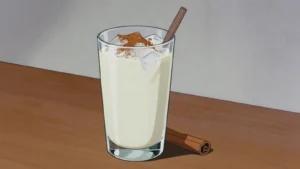
- Chill at least 3 hours and serve very cold over plenty of ice, in glasses, with a fresh mint sprig; strain out the old mint if it has darkened.
Technique
- Karkanji is the Chadian name for the drink known as bissap in Senegal and zobo in Nigeria; the Chadian version leans on warm spice, particularly clove and ginger.
- Hibiscus is strongly acidic and will stain and react with aluminium and cast iron. Use stainless steel, enamel or glass.
- It is sold in street stalls in reused bottles kept in ice chests; at home it keeps 4 days refrigerated and thickens slightly as the flavour deepens.
Substitutions
- Fresh hibiscus calyces can replace dried; use three times the weight and steep 10 minutes only.
- Swap part of the sugar for honey or date syrup for a rounder, less sharp sweetness.
Variations
- A pineapple version adds 200 ml pineapple juice and a strip of the peel to the steep.
- For celebrations the syrup is made stronger and diluted at the table, sometimes with a splash of orange blossom water.
History
Made from dried roselle calyces traded down the Sahel, karkanji is the standard sweet cold drink in Bangui and neighbouring Chad.
Frequently asked questions
What is Karkanji?
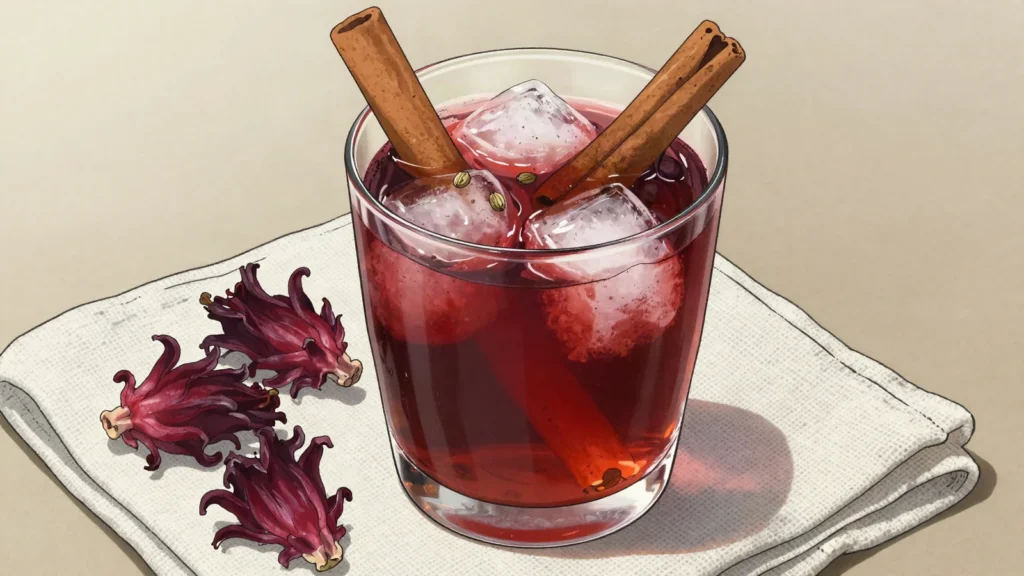
Karkanji is a drink from Central African Republic: deep red hibiscus infusion spiced with ginger and cloves, drunk chilled. Made from dried roselle calyces traded down the Sahel, karkanji is the standard sweet cold drink in Bangui and neighbouring Chad.
How long does Karkanji take to make?
Karkanji takes 10 min of preparation and 20 min plus 3 hr chilling of cooking. The recipe makes 6 glasses (about 1.5 litres). It is rated easy to make.
What can I substitute in Karkanji?
Yes, within limits. Fresh hibiscus calyces can replace dried; use three times the weight and steep 10 minutes only. Swap part of the sugar for honey or date syrup for a rounder, less sharp sweetness.
What is the most important thing to get right in Karkanji?
Rinse the dried hibiscus quickly in cold water to wash off dust, then drain; do not soak it at this stage.