
Ingredients
In the vineyard
- Kallmet grapes, a native dark-skinned variety of the Lezhë and Mirdita hills
- old bush-trained or trellised vines on limestone and clay slopes
- harvest in late September at 13 to 14 percent potential alcohol
In the cellar
- destemmed and crushed fruit, 100 percent Kallmet
- 20to 40 mg per litre sulphur dioxide at crushing
- selected or indigenous yeast
- malolactic bacteria
- oak barrels of 225 to 500 litres, or large old chestnut casks
To serve
- 1 bottleKallmet
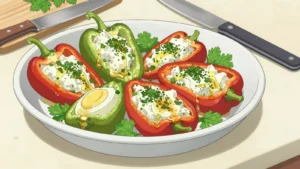
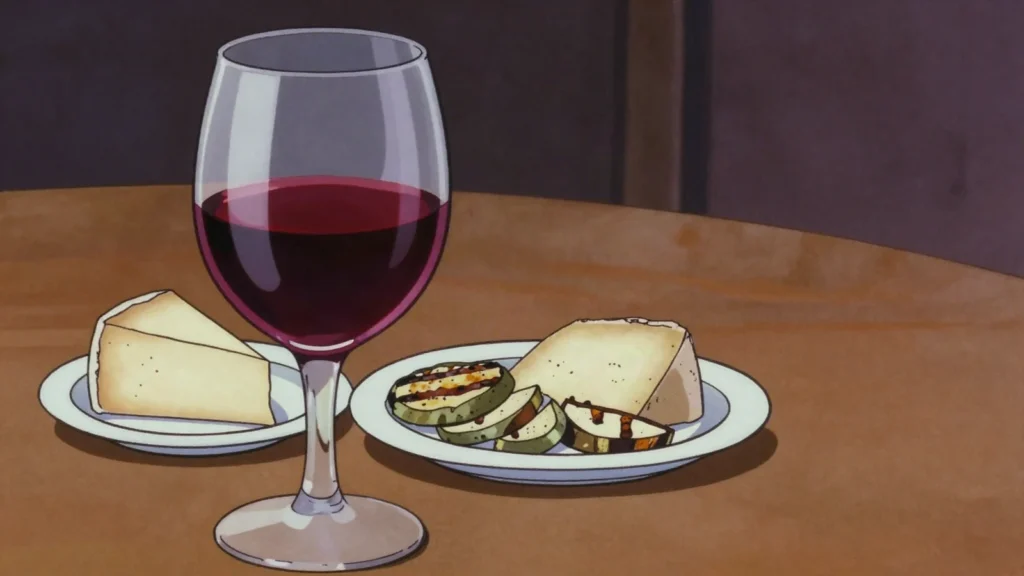
- kaçkavall cheese, grilled peppers and aubergine, walnut breads
Directions
- Grapes are hand-picked in late September, when the thick dark skins have softened and the pips have turned from green to brown and taste nutty rather than bitter.
- The bunches are destemmed and lightly crushed into open or closed vats; leaving stems in would push an already tannic variety into harshness.
- Fermentation runs 7 to 10 days at 24 to 28°C (80°F), with the floating cap of skins punched down or pumped over two or three times a day to draw colour and tannin from the skins.
- The wine is pressed off the skins when the sugar has fallen to dryness, below 2 grams per litre, and racked into tank or barrel.
- Malolactic fermentation follows over several weeks at 18 to 20°C (70°F), converting sharp malic acid into softer lactic acid; this is what gives Kallmet its rounded, plummy feel.
- Ageing takes 6 to 18 months, in Albanian chestnut or in French oak in the modern Lezhë and Kallmet village cellars, with racking every three months to clarify.
- The wine is fined, lightly filtered and bottled at 13 to 14.5 percent alcohol, then rested a further few months before release.
- Serve at 16 to 18°C (65°F) in a large-bowled glass, opened 30 minutes ahead. It shows dark cherry, dried plum, tobacco and a dry earthy finish, and drinks well with sharp kaçkavall and grilled vegetables.
Technique
- Kallmet is Albania’s flagship indigenous red, grown mainly around the village of Kallmet near Lezhë. It is usually considered the same variety as the Hungarian and Romanian Kadarka, though the exact relationship is still debated by ampelographers.
- The variety has thin flesh but thick skins, so extraction is easily overdone. Producers who macerate for weeks make wines that dry the mouth out; the best examples press early.
- This is a wine, not a home preparation. Fermenting grapes at home is legal in some countries and not in others, and no domestic version reproduces cellar temperature control.
Substitutions
- If you cannot find Kallmet, Hungarian Kadarka or a light Zweigelt gives the closest profile of dark fruit, moderate tannin and savoury finish.
- For blends, Albanian producers often add 10 to 20 percent Merlot or Shesh i Zi to soften the tannin.
Variations
- Riserva bottlings from Lezhë spend 18 months in oak and are built to keep 8 to 10 years.
- A young unoaked tank version is bottled in spring and drunk cool, at 14°C (55°F), as a summer red.
History
An indigenous Albanian red grown around Lezhë and Mirdita, closely related to the Kadarka grape of Hungary and the Balkans.
Frequently asked questions
What is Kallmet?
Kallmet is a wine & spirit from Albania: native red grape of the Lezhë hills giving soft, dark wines. An indigenous Albanian red grown around Lezhë and Mirdita, closely related to the Kadarka grape of Hungary and the Balkans.
How long does Kallmet take to make?
Kallmet takes n/a, produced at the winery of preparation and 10 to 14 days fermentation plus 6 to 18 months ageing of cooking. The recipe makes 1 bottle, 750 ml, 6 glasses. It is rated hard to make.
What can I substitute in Kallmet?
Yes, within limits. If you cannot find Kallmet, Hungarian Kadarka or a light Zweigelt gives the closest profile of dark fruit, moderate tannin and savoury finish. For blends, Albanian producers often add 10 to 20 percent Merlot or Shesh i Zi to soften the tannin.
What is the most important thing to get right in Kallmet?
Grapes are hand-picked in late September, when the thick dark skins have softened and the pips have turned from green to brown and taste nutty rather than bitter.