Ingredients
Beef
- 400 gbeef, sliced paper thin
- 1large onion, sliced along the grain
Broth
- 200 mldashi
- 60 mlsoy sauce
- 60 mlmirin
- 2 tbspsake
- 1 tbspsugar
- 1 tspgrated ginger
To serve
- hot rice
- beni shoga
- shichimi togarashi
- 1raw or onsen egg per bowl, optional
Directions
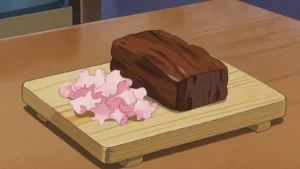
- Use beef sliced paper thin, the shabu-shabu or sukiyaki cut sold frozen in blocks at any Japanese grocer.
- The thinness is not a detail. It cooks through in seconds and stays tender, while anything thicker turns tough and the whole bowl falls apart.
- Slice the onion along the grain rather than across it, so that the pieces hold their shape through the simmering.
- Simmer the dashi, soy, mirin, sake, sugar and ginger together in a wide shallow pan for 2 minutes.
- Add the onion and simmer for 5 to 7 minutes, until soft and translucent but not collapsing.
- Cook the onion first and cook it properly. Its sweetness is half the flavour of the broth, and raw-tasting onion ruins a gyudon.
- Separate the beef slices and lay them into the simmering broth a few at a time.
- Cook them for a minute or two only, just until they lose their pink.
- Watch it closely. Two minutes gives tender beef and five gives leather, with very little in between.
- Skim any grey foam off the surface.
- Fill bowls with hot rice and ladle the beef and onion over, along with several spoonfuls of the broth.
- Spoon plenty of broth over the rice. A dry gyudon is a failure, and the rice is meant to be soaked through with it.
- Top with beni shoga, a shake of shichimi, and a raw or onsen egg if you want one.
- Yoshinoya opened in 1899 at Tokyo’s Nihonbashi fish market, serving quick beef bowls to porters before dawn, and it has been fast food ever since.
Technique
- Fatty beef is correct here. Lean beef gives a thin, sad bowl however carefully you cook it.
- The raw egg on top is standard in Japan and a matter of preference and food safety elsewhere.
- The whole thing takes about fifteen minutes, which is the entire point of the dish.
Substitutions
- Sirloin frozen for 30 minutes and sliced as thin as you can manage.
- Thinly sliced pork, which makes it butadon.
Variations
- Negitama gyudon, with spring onion and egg.
- Cheese gyudon, which is a modern chain-restaurant staple.
- Butadon, the pork version, common in Hokkaido.
History
A bowl of rice topped with thinly sliced beef and onion simmered in a sweet soy-based sauce, documented across Japan since the late 1800s, developing following the Meiji era’s broader relaxation of the country’s long-standing restrictions on beef consumption, which had been significantly limited for centuries under Buddhist religious influence. Its origin is closely associated with Yoshinoya, a beef bowl restaurant chain that opened in 1899 near Tokyo’s Nihonbashi fish market specifically to serve quick, affordable, filling meals to market porters and workers who needed to eat rapidly before returning to physically demanding labor. Gyudon remains one of Japan’s most popular and affordable fast-casual dishes, with dedicated gyudon chains found throughout the country today.
Frequently asked questions
What is Gyudon?
Gyudon is a main from Japan: rice bowl topped with soy-simmered beef and onions, fast-food classic. A bowl of rice topped with thinly sliced beef and onion simmered in a sweet soy-based sauce, documented across Japan since the late 1800s, developing following the Meiji era’s broader relaxation of the country’s long-standing restrictions on beef consumption, which had been significantly limited for centuries under Buddhist religious influence. Its origin is closely associated with Yoshinoya, a beef bowl restaurant chain that opened in 1899 near Tokyo’s Nihonbashi fish market specifically to serve quick, affordable, filling meals to market porters and workers who needed to eat rapidly before returning to physically demanding labor. Gyudon remains one of Japan’s most popular and affordable fast-casual dishes, with dedicated gyudon chains found throughout the country today.
How long does Gyudon take to make?
Gyudon takes 10 min of preparation and 15 min of cooking. The recipe makes 4 bowls. It is rated easy to make.
What can I substitute in Gyudon?
Yes, within limits. Sirloin frozen for 30 minutes and sliced as thin as you can manage. Thinly sliced pork, which makes it butadon.
What is the most important thing to get right in Gyudon?
The thinness is not a detail. It cooks through in seconds and stays tender, while anything thicker turns tough and the whole bowl falls apart.