
Ingredients
Production
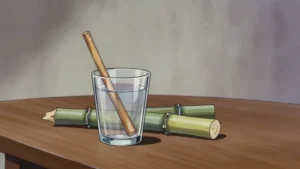
- Sugarcane grown on the estate at the foot of the San Cristobal volcano, Chichigalpa
- Molasses and cane juice from the mill, diluted to about 18–20 Brix
- Proprietary yeast strain, propagated in house
- Ex-bourbon American white oak barrels, small format
- Volcanic-water reduction to bottling strength, typically 40 percent
- No sugar, colouring, flavouring or accelerated ageing
To serve neat
- 50 mlFlor de Cana 12 Anos
- 1tulip or snifter glass
- Room temperature, no ice
Macua, the national cocktail
- 45 mlFlor de Cana 4 Anos Extra Seco white rum
- 45 mlguava juice
- 30 mlorange juice
- 15 mlfresh lime juice
- 10 mlsugar syrup
- Ice cubes, a highball glass, an orange wheel and a cherry
Directions
- Cut and mill the cane within hours of harvest at the Chichigalpa estate, where the volcanic soil and 30°C (85°F) heat give a high sugar yield; the mill supplies both juice and molasses to the distillery next door.
- Dilute the molasses with water to about 18–20 Brix and pitch the house yeast. Ferment for 24–36 hours at controlled temperature until the wash reaches roughly 8 percent alcohol.
- Distil the wash in continuous column stills to a high-strength, clean spirit, then reduce it with local water before it goes to wood.
- Fill small ex-bourbon American white oak barrels and seal them. The distillery uses smaller barrels than most rum producers, which raises the ratio of wood to spirit.
- Age in the tropics at ambient temperature, with no chill, no heat cycling and no accelerated methods. Losses to evaporation run high, several percent a year, which concentrates the remaining spirit.
- Age to the stated number on the label. Flor de Cana’s slow-ageing claim is that the age statement is the true minimum age of every drop in the bottle, with the whole range built without added sugar.
- Filter, reduce to strength, and bottle. The 4 and 5 year expressions are light and dry, the 7 year Gran Reserva is the everyday sipper, and the 12, 18 and 25 year rums are dark, dry and tannic rather than sweet.
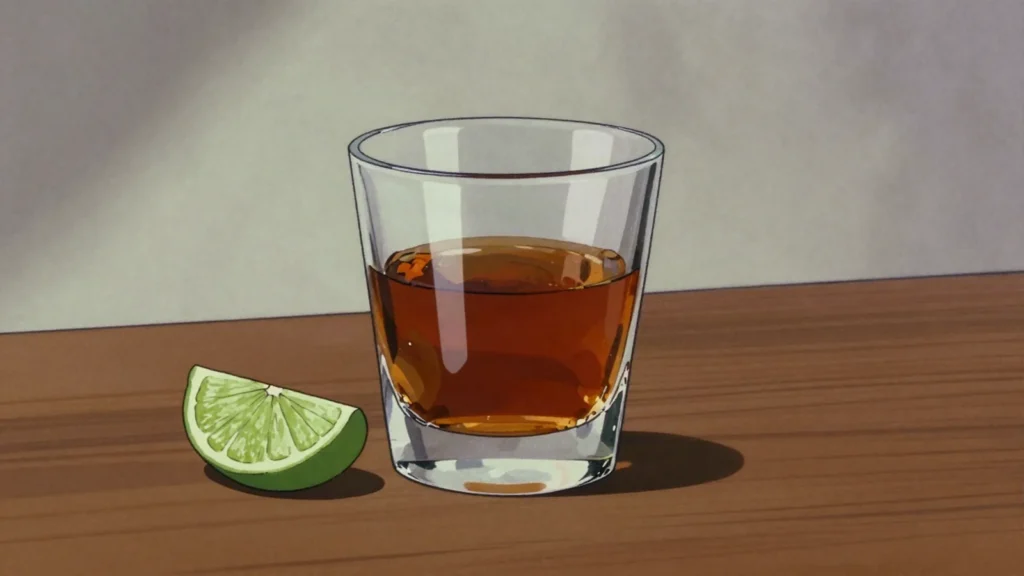
- To serve neat, pour 50 ml of the 12 year into a tulip glass at room temperature and leave it 2 minutes. It should smell of vanilla, toasted oak, dried banana and cocoa, with a dry finish and no sugary coating on the tongue.
- To make a Macua, shake the white rum, guava juice, orange juice, lime juice and syrup hard with ice for 12 seconds, strain into an ice-filled highball and garnish with an orange wheel and a cherry.
- The everyday Nicaraguan serve is simpler still: rum over ice with a squeeze of lime and a splash of soda, drunk slowly in the heat.
Technique
- This is a distillery product and cannot be made at home; home distillation is illegal in most countries and the character here comes from tropical ageing in barrel, which no kitchen process can imitate.
- The house style is dry. Many Latin American rums are dosed with sugar after ageing; Flor de Cana’s identity is built on not doing that, which is why the older expressions taste more like aged spirit than like liqueur.
- Tropical ageing is not the same as ageing in a cool climate. Losses of several percent a year and constant heat mean a 12 year tropical rum has had far more wood interaction than a 12 year spirit aged in Europe.
- The distillery has operated in Chichigalpa since 1890 and is one of the few carbon-neutral and Fair Trade certified spirits producers, which is part of how it is marketed at home.
Substitutions
- No Flor de Cana: Ron Zacapa from Guatemala is sweeter and rounder, while Barbancourt from Haiti or a dry aged Cuban rum is closer to the lean, oaky style.
- For a Macua when guava juice is unavailable, use guava nectar diluted with a third of water, or substitute passionfruit juice for a sharper drink.
- Any well-made aged column-still rum at 40 percent will stand in for cocktails, though not for sipping neat.
Variations
- Extra Seco 4 Anos, the white rum used in mixed drinks across Nicaragua.
- 7 Anos Gran Reserva, the everyday bottle in Nicaraguan homes.
- 18 and 25 Anos, dark, dry and drunk neat in a snifter.
History
Distilled at Chichigalpa since 1890 by the Pellas family and aged in bourbon barrels at the foot of the San Cristobal volcano.
Frequently asked questions
What is Flor de Caña?
Flor de Caña is a wine & spirit from Nicaragua: nicaraguan aged rum, smooth and dry, drunk neat or with lime. Distilled at Chichigalpa since 1890 by the Pellas family and aged in bourbon barrels at the foot of the San Cristobal volcano.
How long does Flor de Caña take to make?
Flor de Caña takes Fermentation and distillation over days of preparation and 4 to 25 years in barrel of cooking. The recipe makes 1 bottle, 700 ml, about 23 measures. It is rated hard to make.
What can I substitute in Flor de Caña?
Yes, within limits. No Flor de Cana: Ron Zacapa from Guatemala is sweeter and rounder, while Barbancourt from Haiti or a dry aged Cuban rum is closer to the lean, oaky style. For a Macua when guava juice is unavailable, use guava nectar diluted with a third of water, or substitute passionfruit juice for a sharper drink. Any well-made aged column-still rum at 40 percent will stand in for cocktails, though not for sipping neat.
What is the most important thing to get right in Flor de Caña?
Age to the stated number on the label. Flor de Cana’s slow-ageing claim is that the age statement is the true minimum age of every drop in the bottle, with the whole range built without added sugar.