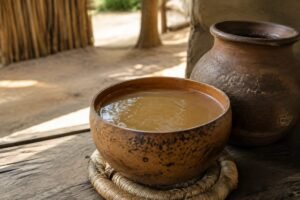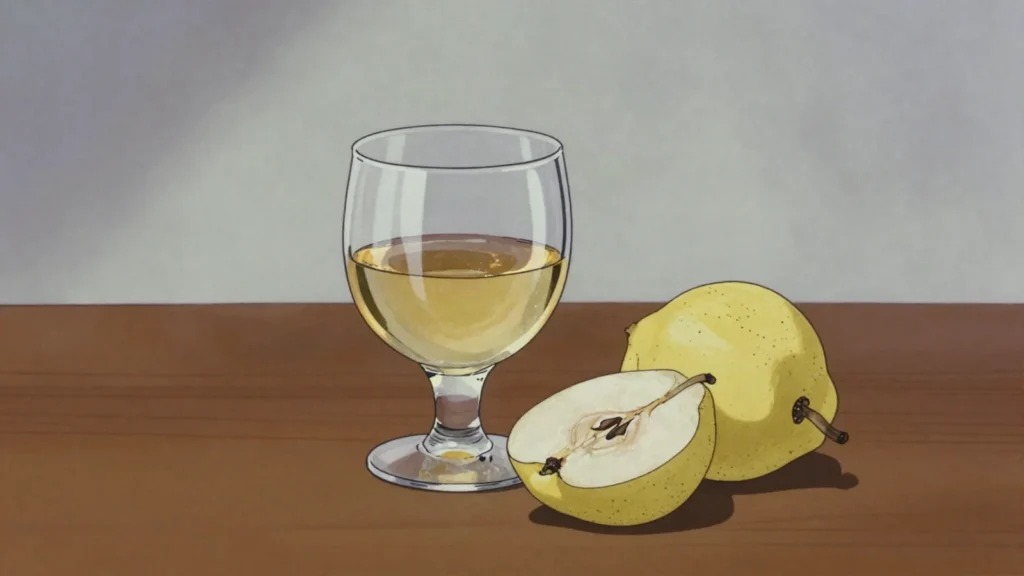

Quince brandy with a heady perfume, served as a welcome drink. It is made from the autumn quinces that Serbian households also lay among the linen to scent a wardrobe — the fruit is prized for its smell long before anyone eats it.
Unlicensed distilling is a criminal offence, and quince is one of the most pectin-rich fruits used for brandy, so the cut that removes methanol matters more here than almost anywhere.
What goes into it
- ripe quinces
- nothing else
How it is made
Quinces are grated or chopped whole and left to ferment on their own sugars for three to five weeks. Quince is hard, low in sugar and very high in pectin, so the ferment is slow and the yield poor; the mash is then distilled twice in a copper pot still, and the distiller must cut carefully because pectin breaks down into methanol as it ferments.
How long it takes: weeks to ferment, then months resting
How it is eaten
In a small glass, offered to a guest on arrival, at room temperature.
History
Made from autumn quinces that Serbian households also lay among linen to scent the wardrobe.
Frequently asked questions
What is Dunjevaca?
Dunjevaca is a wine & spirit from Serbia: quince brandy with a heady perfume, served as a welcome drink. Made from autumn quinces that Serbian households also lay among linen to scent the wardrobe.
How is Dunjevaca made?
Quinces are grated or chopped whole and left to ferment on their own sugars for three to five weeks. Quince is hard, low in sugar and very high in pectin, so the ferment is slow and the yield poor; the mash is then distilled twice in a copper pot still, and the distiller must cut carefully because pectin breaks down into methanol as it ferments. It takes weeks to ferment, then months resting.
Can I make Dunjevaca at home?
No, and the atlas gives no method for it. Unlicensed distilling is a criminal offence, and quince is one of the most pectin-rich fruits used for brandy, so the cut that removes methanol matters more here than almost anywhere.
What goes into Dunjevaca?
Ripe quinces, nothing else.
How is Dunjevaca eaten?
In a small glass, offered to a guest on arrival, at room temperature.