
Ingredients
Dough
- 500 gplain flour
- 1 teaspoonsalt
- about 300 ml warm water
- 3 tablespoonsoil
To layer
- 150 gniter kibbeh, melted
- or 150 g clarified butter
- extra oil, for stretching
Filling
- 6eggs, beaten
- 1/2 teaspoonsalt
- black pepper
- 1onion, finely chopped, optional
- 1green chilli, chopped, optional
To serve
- honey
- or berbere, on the side
- black tea or coffee
Directions
- Put the flour and salt in a bowl. Add the warm water in gradually. Mix it into a soft loose dough. Add the oil and work it in well. Knead it for a good ten minutes. It should become very smooth and elastic.
- Divide it into four even balls. Coat each ball generously in oil. Set them in a dish and cover them. Let them rest for at least an hour. Two hours is considerably better.
- Oil a large clean work surface. Set one oiled ball down onto it. Press it out with your oiled palms. Keep going until it is very thin indeed. It should be nearly translucent. Work patiently and patch any tears. Brush the whole sheet with melted butter. Cover it right out to the edges. Use the melted butter generously.
- Beat the eggs with salt and pepper. Add the onion and chilli if using them. Pour the egg into the middle of the sheet. Spread it out over the centre. Leave a wide border all round. Fold the left side over the centre.
- Fold the right side over that. You should have a sealed square parcel. Press the edges gently to seal them. Frying it needs a wide heavy pan.
- Heat a wide heavy pan over a medium heat. Add a generous spoonful of niter kibbeh. Lay the parcel in seam side down. Cook it for about four minutes. Add more butter around the edges. Judging it takes a careful look. Turn it over with a wide slice. Give it another four full minutes. Cut one open to check the first one. There should be no runny egg at all.
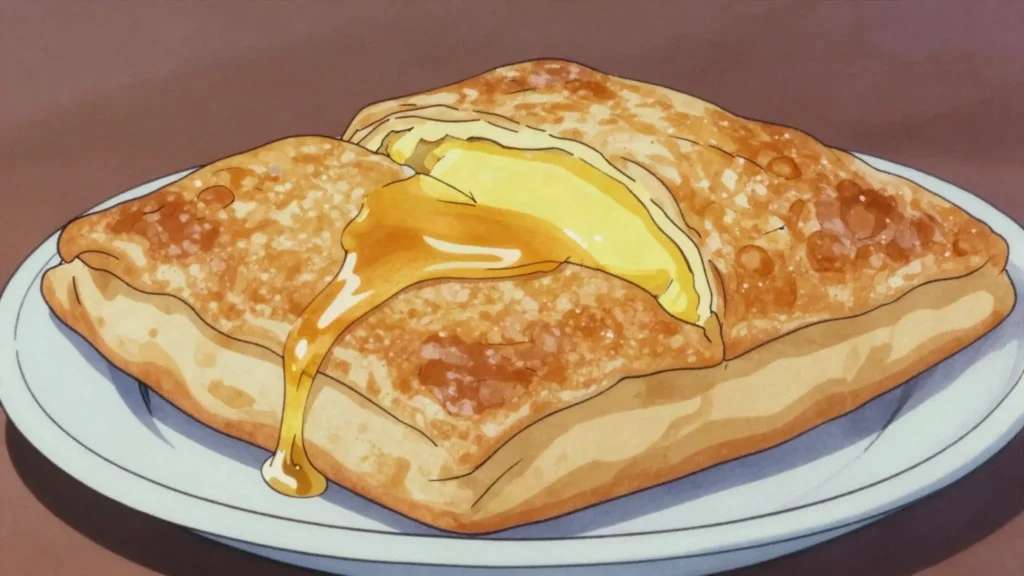
- Return it to the pan if there is. Serving it is done piping hot. Cut it into quarters or strips. Pour honey generously over it. Serve berbere on the side for those who want heat. It really does not keep well at all.
Technique
- Harar is an ancient walled city that sat on trade routes reaching the Red Sea and Arabia for centuries, and its pastry repertoire reflects that, with malawah and mutabbaq belonging to the same family.
- The dough is stretched until nearly translucent, brushed generously with butter and folded, which is what creates the many thin layers that separate as it fries.
- The dough must rest for an hour or more in oil, since unrested dough cannot be stretched thin without tearing.
Substitutions
- Plain clarified butter stands in for niter kibbeh, though it lacks the spice infusion.
- The egg can be left out for a plain layered fetira eaten with honey alone.
Variations
- A plain version without egg is eaten with honey and is equally common.
- Some cooks add onion and chilli to the egg for a savoury version.
- Malawah in Yemen and mutabbaq across the region are close relatives.
History
A breakfast of eastern Ethiopia and Muslim communities around Harar, where trade with the Arabian peninsula shaped the pastry repertoire.
Frequently asked questions
What is Fetira?
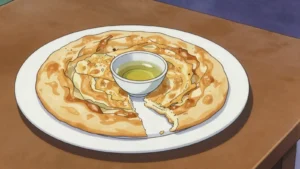
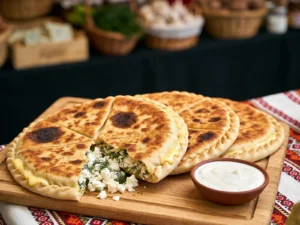
Fetira is a bread & pastry from Ethiopia: layered dough folded around egg, fried in butter and eaten with honey. A breakfast of eastern Ethiopia and Muslim communities around Harar, where trade with the Arabian peninsula shaped the pastry repertoire.
How long does Fetira take to make?
Fetira takes 40 minutes plus resting of preparation and 25 minutes of cooking. The recipe makes serves 4. It is rated medium to make.
What can I substitute in Fetira?
Yes, within limits. Plain clarified butter stands in for niter kibbeh, though it lacks the spice infusion. The egg can be left out for a plain layered fetira eaten with honey alone.
What is the most important thing to get right in Fetira?
Oil a large clean work surface. Set one oiled ball down onto it. Press it out with your oiled palms. Keep going until it is very thin indeed. It should be nearly translucent. Work patiently and patch any tears. Brush the whole sheet with melted butter. Cover it right out to the edges. Use the melted butter generously.