
Ingredients
Dough
- 600 gplain flour
- about 320 ml warm water
- 2 teaspoonssalt
- 1egg, optional
For layering
- 150 gbutter, melted
- or 150 ml oil
- or 100 g rendered tail fat, melted
- extra flour, for dusting
To fry
- oil, for shallow frying
To serve
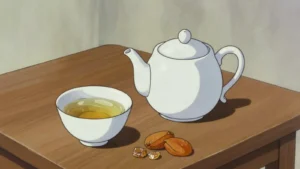
- green tea
- chal or fermented milk
- jam or honey
- or a meat stew
Directions
- Butter and oil are both used now. Butter gives the best flavour of the three. Put the flour and salt in a large bowl. Add the warm water in gradually. Add the egg if you are using one.
- Bring it together into a firm dough. It should be firmer than a bread dough. Turn it out onto a floured surface. Knead it for a good ten minutes. It should become smooth and elastic. Wrap the dough and let it rest. Give it at least thirty minutes. Divide the dough into four pieces. Keep the ones you are not using covered.
- Roll one out on a floured surface. Take it down to about two millimetres. Roll from the centre outwards. Turn it a quarter turn regularly. That keeps it round and even all over. Brush the whole sheet with melted fat.
- Dust it lightly with flour as well. That flour helps the layers separate. Roll it tightly from one edge. Take the long tube of rolled dough. Press it down gently with your palm. Cover the coils and rest them. Give them another twenty minutes. Roll each coil out into a round. Aim for about five millimetres thick.
- Roll gently rather than pressing hard. Frying it takes only shallow oil. Heat the oil in a wide heavy pan. Use about one centimetre depth. Heat it up to a medium heat only. Too hot and the outside burns first. Lay one round into the hot oil. Fry it for about four minutes.
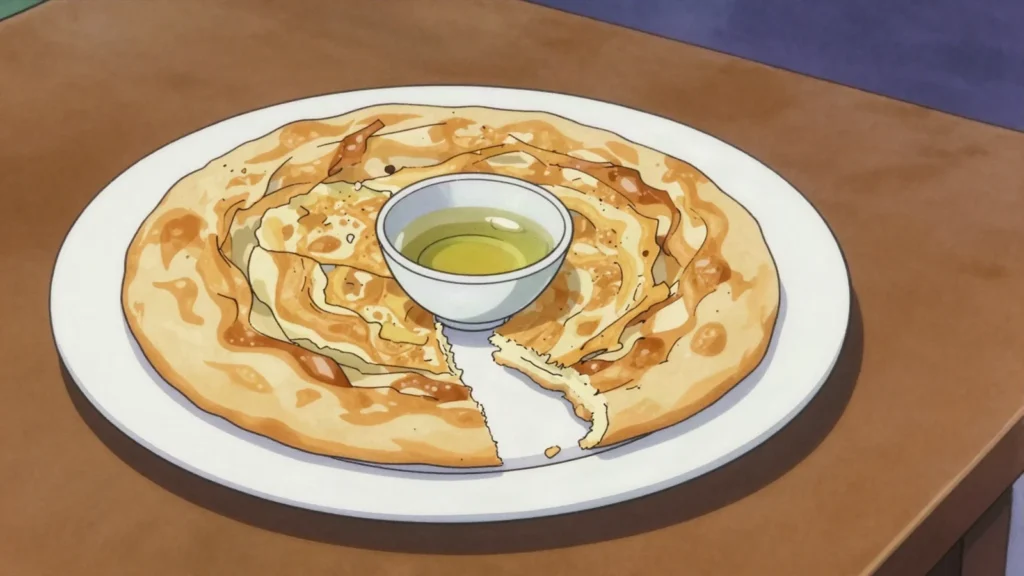
- Turn it over carefully with tongs. Fry the other side for four minutes. Spoon hot oil over the top as it fries. Judging it takes a careful look. Tear a corner to check the layers. You should see distinct thin sheets.
- Lift it out onto a wire cooling rack. Let all the excess oil drain off. Do not stack them up while hot. Tear it into pieces at the table. It is best within an hour of frying.
Technique
- The name comes from a Turkic root meaning to fold, and versions of the word run across Central Asia as qatlama and katlama; the name describes the method exactly.
- Fat brushed between the layers stops them fusing, so steam from the dough pushes them apart in the pan; without the fat it bakes into one solid mass.
- The final rolling must be gentle, since hard rolling squashes the layers together and undoes all the folding work.
Substitutions
- Butter, oil or rendered sheep tail fat all work for layering, with butter giving the best flavour.
- The egg can be left out entirely without harming the dough.
Variations
- Some cooks add a filling of onion or minced meat between the layers.
- A sweet version is served with jam or honey.
- Qatlama and katlama across Central Asia are the same bread under other names.
History
Made for guests and holidays, the dough rolled thin, oiled and folded repeatedly before frying.
Frequently asked questions
What is Gatlama?
Gatlama is a bread & pastry from Turkmenistan: layered flatbread fried in oil so it separates into thin sheets. Made for guests and holidays, the dough rolled thin, oiled and folded repeatedly before frying.
How long does Gatlama take to make?
Gatlama takes 40 minutes plus resting of preparation and 25 minutes of cooking. The recipe makes 4 large breads. It is rated medium to make.
What can I substitute in Gatlama?
Yes, within limits. Butter, oil or rendered sheep tail fat all work for layering, with butter giving the best flavour. The egg can be left out entirely without harming the dough.
What is the most important thing to get right in Gatlama?
Roll one out on a floured surface. Take it down to about two millimetres. Roll from the centre outwards. Turn it a quarter turn regularly. That keeps it round and even all over. Brush the whole sheet with melted fat.