
Ingredients
The papaya
- 1.5 kggreen papaya
- unripe and hard
- peeled, deseeded
- cut into strips or cubes
For the lime soak
- optional but traditional
- 2 litreswater
- 2 tablespoonspickling lime
- calcium hydroxide, cal
- or 2 teaspoons bicarbonate of soda
- see the note
The syrup
- 1 kgsugar
- 800 mlwater
- a strip of lemon peel
- juice of 1 lemon
- 1cinnamon stick
- optional
- 4cloves, optional
- a pinch of salt
To serve
- on its own, in small pieces
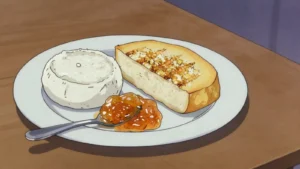
- with fresh cheese
- queijo fresco
- with coffee
Directions
- Wash your hands well afterwards. Do not rub your eyes while working with it. Peel it thickly with a vegetable peeler or a knife. Cut it in half and scrape out the seeds.
- Rinse it under running water. Strips of about a centimetre thick are traditional. Keep the pieces a similar size so they cook evenly. Pour off the clear liquid. Soak the papaya in it for two to four hours. Rinse it in several changes of water.
- Use food-grade pickling lime only. Never use builders’ lime or garden lime. Rinse the fruit until no slipperiness remains. Boil the prepared papaya in water for ten minutes. That softens it enough to take up syrup.
- Drain it and set it aside. Put the sugar and water in a wide heavy pan. Add the lemon peel and juice. Add the cinnamon and cloves if using. Stir until the sugar dissolves. Bring it to a boil. It sticks to skin and keeps burning. Keep children away from the pan. If it touches skin, run cold water over it for twenty minutes. Add the blanched papaya to the syrup. Bring it back to a bare simmer.
- Simmer it gently rather than boiling it. It also drives the syrup to a higher concentration too fast. Simmer it for about forty minutes. Let it rest for several hours or overnight. Bring it back to a simmer the next day. Simmer it for another forty minutes.
- Repeat once more for a firmer, denser sweet. The papaya should be translucent right through. Take it off the heat. Let it cool in the syrup. Pack it into clean sterilised jars with the syrup. Wash them in hot soapy water.
- Rinse them and dry them in an oven at one hundred and forty degrees. Fill them while both jars and contents are hot. Seal them immediately. A syrup that is too thin will not preserve. Discard any jar showing mould or fermentation. Never taste anything from a jar that has bulged or fizzes. Serve it in small pieces. Serve it with fresh mild cheese. Sealed jars keep six months in a cool dark place.
Technique
- Simmer gently rather than boiling. A hard boil breaks the fruit apart and drives the syrup to concentration too fast, which makes the fruit shrivel and toughen. Slow is genuinely better in candying.
- Rest the fruit in the syrup overnight between cookings. Sugar moves into the fruit and water moves out gradually; rushing that exchange collapses or shrivels it. Two rounds gives a soft sweet in syrup, three or more a proper candied fruit.
- Use papaya that is completely green and hard, with white flesh and white seeds. Any yellow on the skin means it has begun to ripen, and ripe papaya collapses to pulp in syrup.
- Green papaya exudes a latex containing papain, which irritates skin and eyes and causes allergic reactions in some people. Wear gloves if you are handling a lot of it, wash your hands afterwards and do not rub your eyes. Cooking destroys papain entirely, so the finished sweet carries none — the concern is only in the handling.
- Unripe papaya is traditionally avoided in pregnancy in several cultures, and its latex has been linked to uterine contraction in animal studies, with limited human evidence. The atlas records that the caution exists and its basis, makes no medical claim, and leaves the question to a doctor.
- The pickling lime soak is traditional and optional. Calcium hydroxide reacts with the fruit’s pectin and gives a much crisper result; use food-grade pickling lime only, never builders’ or garden lime, wear gloves, avoid splashing, and rinse the fruit through several changes of water until no slipperiness remains. Without it the sweet is simply softer, and many home cooks skip it.
- Boiling sugar syrup is far hotter than boiling water, sticks to skin and keeps burning. Never touch or taste it hot, keep children away, and run cold water over any contact for twenty minutes.
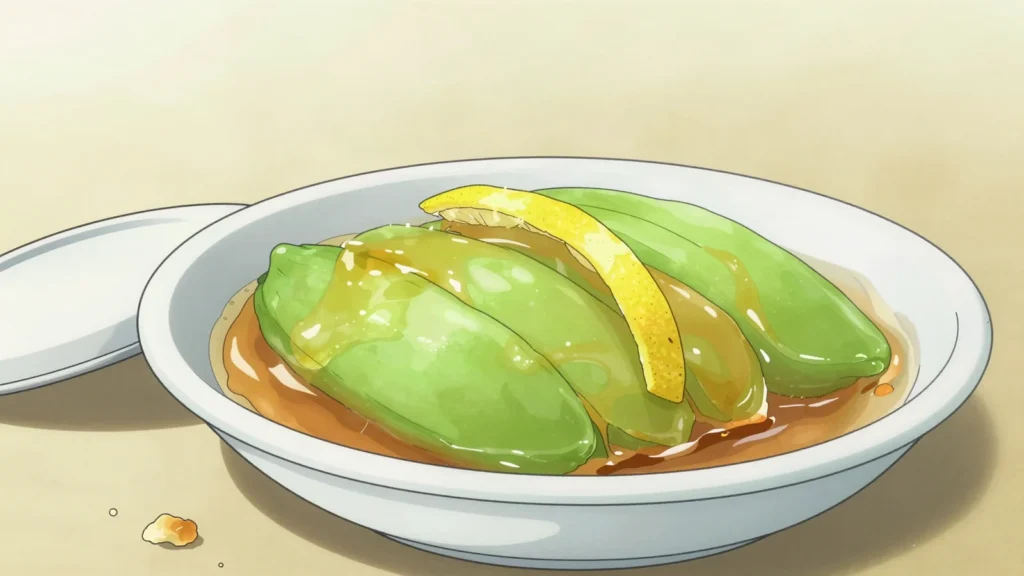
- The fruit is ready when it is translucent right through with no opaque white centre, chewy rather than soft, in a syrup thick enough to coat a spoon.
- The sugar concentration is what preserves this. A thin syrup will not, so refrigerate if in doubt, and discard any jar showing mould, fermentation, bulging or fizzing without tasting it.
- Fill sterilised jars while both jars and contents are hot and seal immediately. That is basic preserving practice and it is what makes the six-month keeping possible.
- Candying is a deep Portuguese tradition that travelled with colonisation to Cape Verde, Brazil and Goa. The islands were uninhabited before Portuguese settlement, and sugarcane was planted there with enslaved labour — the history behind a sugar-heavy sweet tradition.
Substitutions
- Bicarbonate of soda replaces pickling lime for a milder firming effect, or the soak can be skipped entirely.
- Green mango, chayote or pumpkin can be candied by exactly the same method.
- Brown sugar replaces some of the white for a darker, more molasses-like syrup.
- Orange peel replaces lemon; both are used.
- Cinnamon, cloves and star anise all appear; plain is equally normal.
- Queijo fresco can be replaced by any mild fresh cheese for serving.
Variations
- Dulce de lechosa in Venezuela is the same fruit candied in spiced syrup as a Christmas sweet.
- Doce de coco is the Cape Verdean coconut sweet made by a related syrup method.
- Doce de abóbora, candied pumpkin, is made across the Portuguese-speaking world.
- Marmelada, the quince paste, is the other great Portuguese doce.
- A drier version, lifted from the syrup and dried, keeps far longer.
- Some cooks add a little ginger to the syrup for warmth.
Frequently asked questions
What is Doce de papaia?
Doce de papaia is a dessert from Cape Verde: green papaya cooked slowly in sugar syrup until translucent and chewy.
How long does Doce de papaia take to make?
Doce de papaia takes 30 minutes of preparation and 2 hours, plus resting of cooking. The recipe makes makes about 1 kg. It is rated medium to make.
What can I substitute in Doce de papaia?
Yes, within limits. Bicarbonate of soda replaces pickling lime for a milder firming effect, or the soak can be skipped entirely. Green mango, chayote or pumpkin can be candied by exactly the same method. Brown sugar replaces some of the white for a darker, more molasses-like syrup. Orange peel replaces lemon; both are used. Cinnamon, cloves and star anise all appear; plain is equally normal. Queijo fresco can be replaced by any mild fresh cheese for serving.
What is the most important thing to get right in Doce de papaia?
Wash your hands well afterwards. Do not rub your eyes while working with it. Peel it thickly with a vegetable peeler or a knife. Cut it in half and scrape out the seeds.