Ingredients
Ashkenazi version
- 4apples, peeled and finely chopped
- 150 gwalnuts, chopped
- 3 tbspsweet red wine, kosher for Passover
- 2 tbsphoney or sugar
- 1 tspground cinnamon
- a pinch of ground ginger
Sephardi version
- 300 gdates, stoned
- 150 gdried figs
- 100 graisins
- 100 galmonds or walnuts
- 3 tbspsweet red wine
- 1 tspcinnamon
- a little orange zest
Sometimes
- chopped dried apricot
- pine nuts
- a pinch of cayenne, in some Sephardi versions
To serve
- at the Passover seder, and with matzah
Directions
- Chop the apples finely by hand, into pieces of two or three millimetres. Use a firm sweet-tart apple, since a floury one turns to mush.
- Chop the walnuts to a similar size, leaving some larger pieces for texture. Sweet red wine is traditional, and at Passover it should be kosher for Passover if that matters to the household.
- Use enough to bind the mixture without making it wet. Add it gradually, since the apples release their own juice as they stand. Chop the dates, figs and raisins finely, which is sticky work.
- Oil the knife blade or dip it in water regularly, since dried fruit clings to a dry blade. Several Sephardi versions simmer the dried fruit with wine and water into a thick paste, then work in the nuts.
- Keep the spicing restrained in the Ashkenazi version and be freer with the Sephardi one. Now the sweetness, which needs judgement.
- Make it a few hours ahead so the flavours combine and the fruit softens in the wine. The Ashkenazi version is best on the day, and the cooked Sephardi one keeps a week refrigerated.
- Serve it on the seder plate, and set out extra in a bowl since people eat considerably more than the ritual amount.
Technique
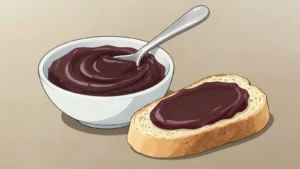
- Its coarse brown appearance is symbolic, representing mortar.
- Ashkenazi uses apple and walnut; Sephardi uses dates and figs.
- Chop it by hand, since a processor turns it to purée in seconds.
Substitutions
- Grape juice in place of wine, for a version without alcohol.
- Seeds in place of nuts, for anyone with an allergy.
Variations
- Sephardi, made with dates and figs and often cooked.
- Iraqi, made with silan date syrup and walnuts.
- Persian, with a great many fruits and nuts.
History
Symbolises the mortar used by enslaved Israelites; Ashkenazim use apple and walnut, Sephardim dates and figs.
Frequently asked questions
What is Charoset?
Charoset is a sauce & condiment from Israel: paste of fruit, nuts and wine eaten at the Passover seder. Symbolises the mortar used by enslaved Israelites; Ashkenazim use apple and walnut, Sephardim dates and figs.
How long does Charoset take to make?
Charoset takes 20 min of preparation and none of cooking. The recipe makes about 500 g. It is rated easy to make.
What can I substitute in Charoset?
Yes, within limits. Grape juice in place of wine, for a version without alcohol. Seeds in place of nuts, for anyone with an allergy.