
Ingredients
What the distillery works with
- molasses, the thick residue left after sugar crystallisation, about 3.5 litres per litre of rum
- water, to dilute the molasses to a fermentable wash of around 15–18 degrees Brix
- distiller’s yeast, pitched or cultivated in-house
- dunder, the acidic residue from the previous distillation, added to the wash for depth
- used oak barrels, for maturation in tropical heat
To serve, the Antiguan way
- 50 mlCavalier rum
- 150 mlchilled coconut water, or cola
- ice
- 1wedge of lime
- 1dash of Angostura bitters, for a punch
- 1grating of nutmeg
Directions
- Cavalier is made by Antigua Distillery in St John’s, from molasses rather than fresh cane juice. This describes how it is produced and served, not something to attempt at home.
- The molasses is diluted with water to a workable sugar concentration and pumped into fermenting vessels.
- Yeast is pitched, along with a portion of dunder from the previous run, and the wash ferments for one to three days in the tropical heat to about 7–9% alcohol.
- The wash is distilled in a multi-column continuous still, which strips the alcohol cleanly and produces a light-bodied rum in the style that has defined Antigua since the 1930s.
- The new spirit comes off high in strength and is reduced with water before it goes into the barrel.
- It is matured in used oak casks in a hot warehouse. Tropical ageing is fast and greedy: the spirit takes colour and vanilla from the wood quickly and the angels’ share can run to 6–8% a year, so a five-year Caribbean rum tastes far older than a five-year Scotch cask.
- Casks of different ages are blended to a house style, filtered lightly, reduced to bottling strength, usually 40% alcohol, and bottled.
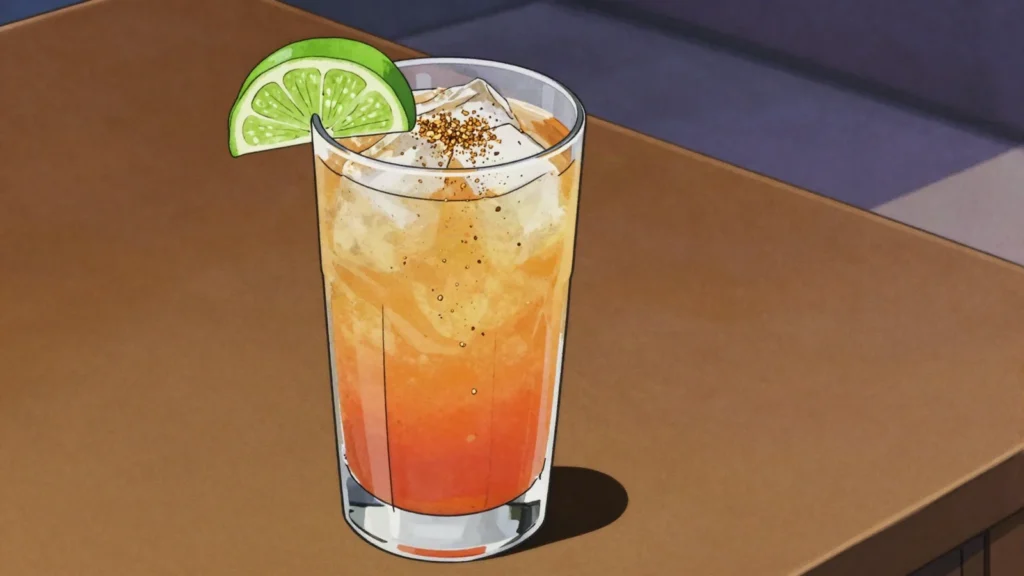
- To drink it as Antiguans do, fill a tall glass with ice, pour over 50 ml of the rum and top with chilled coconut water. Squeeze in a lime wedge and stir once.
- For rum punch, follow the island rhyme of one of sour, two of sweet, three of strong and four of weak: 25 ml lime juice, 50 ml sugar syrup, 75 ml Cavalier and 100 ml water or juice, shaken with ice, poured into a tall glass and finished with bitters and grated nutmeg.
Technique
- Cavalier is the everyday Antiguan rum, from a distillery founded in 1932 by a group of merchant families; the more expensive English Harbour rums come from the same stills and the same warehouses.
- Molasses rum and cane-juice rum are different animals. Molasses gives the rounder, sweeter, heavier profile of the English-speaking Caribbean, while fresh cane juice gives the grassy rhum agricole of Martinique.
- Dunder is the distinctive Caribbean touch: recycling the acidic leftovers of the last distillation into the next wash builds esters and complexity, and it is a practice that goes back centuries in Jamaica and the Leewards.
- Distilling spirits at home is illegal without a licence in most countries. Rum is a thing to buy and to blend into drinks, not to make in a kitchen.
Substitutions
- If you cannot find Cavalier, English Harbour is the same distillery’s aged expression, and any medium-bodied column-still Caribbean rum, such as a Barbadian or Trinidadian gold rum, behaves the same in a punch.
- For the punch without alcohol, replace the rum with strong cold hibiscus tea and add an extra dash of bitters and plenty of nutmeg.
Variations
- Cavalier and coconut water over ice, the national long drink.
- Antiguan rum punch, made to the one-two-three-four rhyme and dusted with nutmeg.
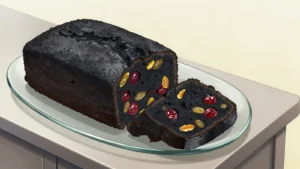
- Poured over black cake, or into the jar of soaking fruit that becomes it.
History
Distilled by the Antigua Distillery in St John’s, the everyday rum of the island’s bars and shops.
Frequently asked questions
What is Cavalier rum?
Cavalier rum is a wine & spirit from Antigua and Barbuda: amber Antiguan rum drunk with coconut water, cola or in punch. Distilled by the Antigua Distillery in St John’s, the everyday rum of the island’s bars and shops.
How long does Cavalier rum take to make?
Cavalier rum takes not a home recipe of preparation and fermentation of about 2 days, then years in oak of cooking. The recipe makes 1 bottle, 700 ml, about 23 drinks. It is rated hard to make.
What can I substitute in Cavalier rum?
Yes, within limits. If you cannot find Cavalier, English Harbour is the same distillery’s aged expression, and any medium-bodied column-still Caribbean rum, such as a Barbadian or Trinidadian gold rum, behaves the same in a punch. For the punch without alcohol, replace the rum with strong cold hibiscus tea and add an extra dash of bitters and plenty of nutmeg.
What is the most important thing to get right in Cavalier rum?
Cavalier is made by Antigua Distillery in St John’s, from molasses rather than fresh cane juice. This describes how it is produced and served, not something to attempt at home.