
Ingredients
Cassava
- 1.5 kgcassava root
- water, to cover
- 1 teaspoonsalt
To serve
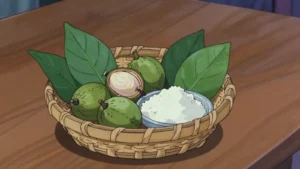
- grated fresh coconut
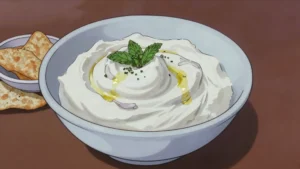
- coconut cream
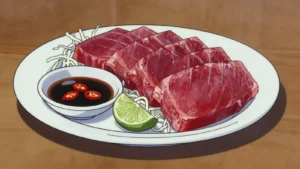
- grilled or fried fish
- mangrove crab
- soy sauce and chilli
Directions
- Remove both the brown skin and the pink layer beneath. Cut out the woody core running down the middle. Never eat cassava raw at any stage. Cut the root into lengths of about eight centimetres.
- Stand each piece upright on the board. Score the thick skin lengthways with a sharp knife. Work the blade under the skin and lever it off. Both the brown and pink layers must come away.
- Rinse each piece under cold running water. Pull out the tough woody fibre running through it. Drop the prepared pieces into cold water. That stops them discolouring while you work.
- Put the pieces in a large pot. Cover them all with cold water. Add the salt into the cooking water. Bring it to the boil over a high heat. Cook it for about twenty-five minutes. Do not cover the pot too tightly. Cook it until it is completely soft.
- Add a cup of cold water when it is nearly done. That shock is said to help it soften fully. Drain the pieces thoroughly in a colander. Let them steam dry for a minute.
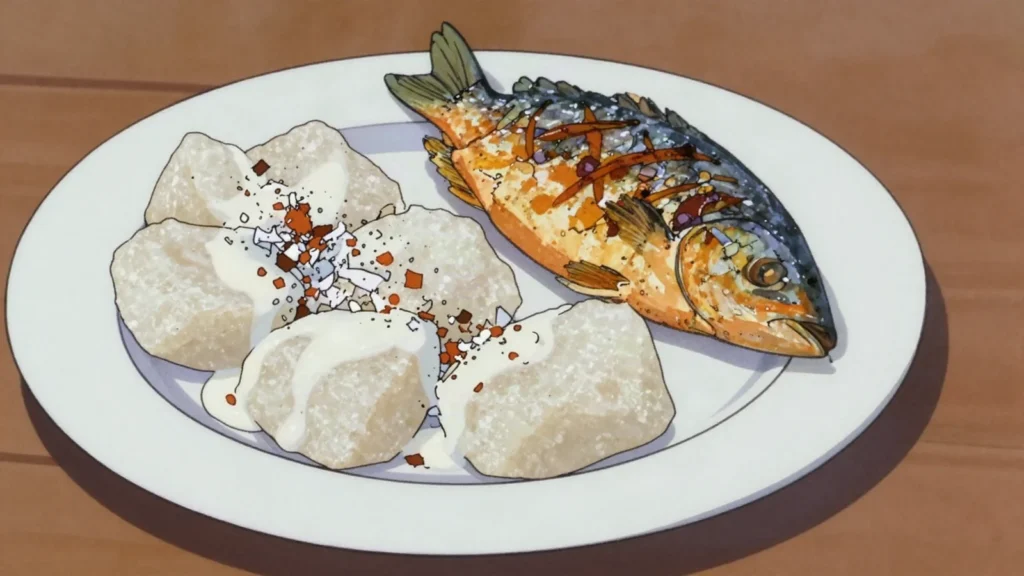
- Pull out any woody cores you missed. Serving it is always done hot. Pile the pieces onto a plate or a leaf. Scatter grated fresh coconut over them. Pour coconut cream over if you like.
- Serve grilled fish or crab alongside. Leftovers keep two days refrigerated. Cut it into chips and fry it until golden.
Technique
- Cassava reached the Pacific through colonial trade and now complements taro as a staple across much of Micronesia.
- Its resistance to typhoons and its ability to be stored in the ground are the main reasons it took hold.
Substitutions
- Frozen peeled cassava is widely sold and is often better quality than tired fresh roots.
- Taro, breadfruit or sweet potato can all be boiled the same way and served identically.
Variations
- Boiled cassava is often fried the next day as chips.
- Grated cassava is baked into tapioca cake as a dessert in Palau.
- Some households mash it with coconut cream.
History
Cassava was introduced in the colonial era and now backs up taro because it grows fast on dry ground and survives typhoons.
Frequently asked questions
What is Boiled Tapioca?
Boiled Tapioca is a salad & side from Palau: boiled cassava root, the everyday starch beside fish and crab. Cassava was introduced in the colonial era and now backs up taro because it grows fast on dry ground and survives typhoons.
How long does Boiled Tapioca take to make?
Boiled Tapioca takes 20 minutes of preparation and 30 minutes of cooking. The recipe makes serves 6. It is rated easy to make.
What can I substitute in Boiled Tapioca?
Yes, within limits. Frozen peeled cassava is widely sold and is often better quality than tired fresh roots. Taro, breadfruit or sweet potato can all be boiled the same way and served identically.
What is the most important thing to get right in Boiled Tapioca?
Remove both the brown skin and the pink layer beneath. Cut out the woody core running down the middle. Never eat cassava raw at any stage. Cut the root into lengths of about eight centimetres.