
Ingredients
Seeds
- 400 gwhite sesame seeds, benne
Caramel
- 300 ggranulated sugar
- 60 mlwater
- a squeeze of lemon juice
- a pinch of salt
Sometimes added
- 1 teaspoonground ginger
- a pinch of grated nutmeg
- 1 tablespoonbutter
Equipment
- a heavy pan
- an oiled tray or marble slab
- an oiled rolling pin or spatula
Directions
- Use white hulled sesame seeds. They should smell fresh and faintly nutty. Put the sesame seeds in a wide dry pan. Set the pan over a medium heat. Shake the pan constantly from the start. Sesame seeds burn within seconds if left alone. Keep shaking the pan through it. They turn from white to a light golden brown.
- Tip them out of the pan immediately. A hot pan keeps cooking them off the heat. Spread them on a tray to cool. A warning about the caramel comes next. Keep children and pets out of the kitchen. Never touch or taste caramel in the pan. Oil a large flat tray or a marble slab thoroughly.
- Oil a rolling pin or a spatula for pressing. Making the caramel takes a few minutes. Put the sugar and water in a heavy pan. Add the squeeze of lemon juice. The acid helps stop it crystallising. Stir over a low heat until the sugar dissolves. Brush the sides of the pan with a wet brush. Once the syrup is clear, stop stirring entirely.
- Swirl the pan gently rather than stirring it. It stays clear for several minutes. Take it off when it is a warm amber. A black one is burnt and must be thrown away. Take the pan off the heat completely. Add the pinch of salt and the spices if using.
- Stir in the butter if you are using it. Stir hard and fast with a wooden spoon. Every seed must be coated in caramel. Work quickly, since it sets as you stir. Tip the whole mixture onto the oiled tray. Press it flat with the oiled rolling pin. Work from the centre outward evenly. Aim for about one centimetre thick. Press it firmly so it holds together. Cutting it needs correct timing.
- Let it cool for about three minutes. It should still be warm and slightly soft. Score it into squares with an oiled knife. Cut most of the way through but not entirely. Wait too long and it shatters when cut.
- Cut too soon and the pieces run together. That window is short and needs watching. Leave it on the tray until completely cold. Storing it needs a really dry place. Layer the squares between greaseproof paper. Keep them in an airtight sealed tin. They keep two or three weeks stored dry.
Technique
- Benne is the West African name for sesame and the word travelled to the Americas with enslaved people from the region.
- Benne wafers and benne candy in the South Carolina Lowcountry descend directly from that connection.
Substitutions
- Brown sugar or molasses can replace some of the white sugar for a darker and softer sweet.
- Groundnuts can replace part of the sesame, though the result is a different sweet.
Variations
- The Bahamian benny cake uses molasses and is chewy rather than brittle.
- Some Sierra Leonean makers add ground ginger to the caramel.
- Similar sesame brittles are made across West Africa and the Caribbean.
History
Benne is the West African word for sesame; enslaved Sierra Leoneans carried the seed to South Carolina, where benne wafers became a Lowcountry sweet.
Frequently asked questions
What is Benne cakes?
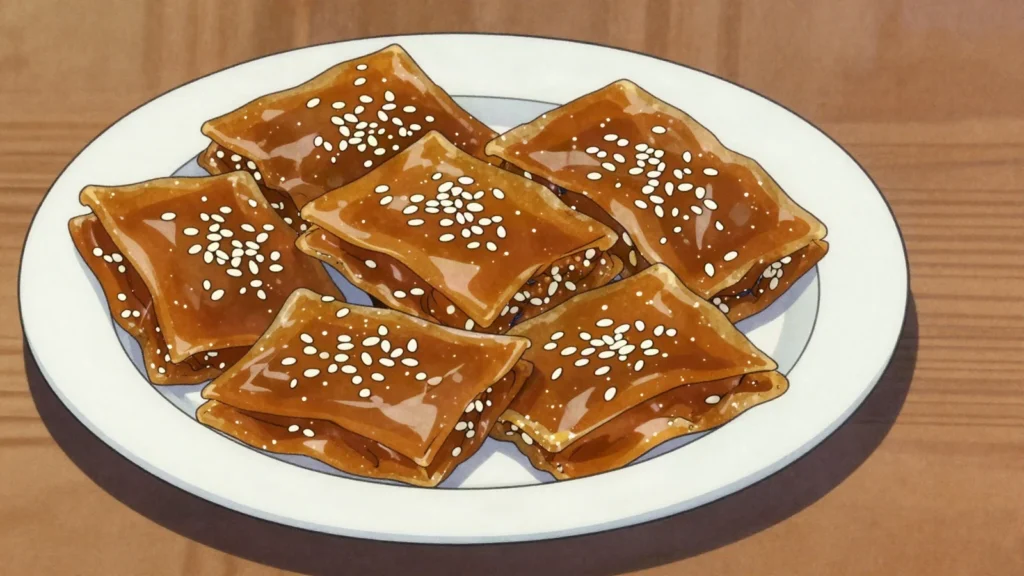
Benne cakes is a snack from Sierra Leone: toasted sesame seeds set in caramelised sugar and cut into squares. Benne is the West African word for sesame; enslaved Sierra Leoneans carried the seed to South Carolina, where benne wafers became a Lowcountry sweet.
How long does Benne cakes take to make?
Benne cakes takes 15 minutes of preparation and 20 minutes of cooking. The recipe makes about 24 squares. It is rated medium to make.
What can I substitute in Benne cakes?
Yes, within limits. Brown sugar or molasses can replace some of the white sugar for a darker and softer sweet. Groundnuts can replace part of the sesame, though the result is a different sweet.
What is the most important thing to get right in Benne cakes?
Tip them out of the pan immediately. A hot pan keeps cooking them off the heat. Spread them on a tray to cool. A warning about the caramel comes next. Keep children and pets out of the kitchen. Never touch or taste caramel in the pan. Oil a large flat tray or a marble slab thoroughly.