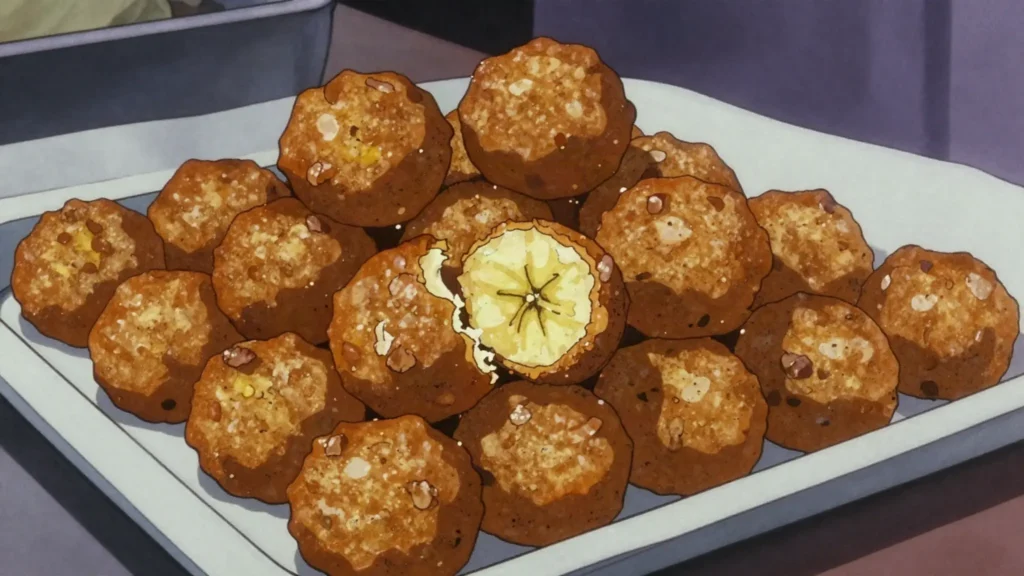

Ingredients
The bananas
- 6very ripe bananas
- heavily spotted or black-skinned
- about 700 g peeled
- mashed roughly
The batter
- 300 gplain flour
- 80 gsugar
- or to taste
- the bananas are already sweet
- 1 teaspoonbaking powder
- half a teaspoon salt
- half a teaspoon grated nutmeg
- or ground cinnamon
- 1egg, beaten
- optional
- about 100 ml milk or water
- only as needed
For frying
- 1 litrevegetable oil
- or palm oil
- or enough for 6 cm depth
To serve
- hot, on their own
- sugar, to dust, optional
- sweet tea or coffee
Directions
- Use bananas that are genuinely overripe. The skin should be heavily spotted or black. Peel them and put them in a large bowl. Mash them with a fork.
- Leave some texture rather than making a purée. A completely smooth mash gives a flatter result. Add the sugar to the mashed banana. Taste the mash and judge how much you need. Very ripe bananas need very little.
- Add the egg if you are using it. Now add the dry ingredients. Add the flour, baking powder, salt and nutmeg. Fold them in until just combined. Do not beat the batter hard at any stage. Mix only until the flour has disappeared. It should be a thick dropping batter.
- Add milk or water only if it is too stiff. Add it a spoonful at a time. Baking powder starts working when it gets wet. Use a deep heavy pot or a wok. Fill it no more than one third full. Oil bubbles up sharply when batter goes in. Never leave hot oil unattended.
- Keep a well fitting lid within reach. If the oil catches fire, turn off the heat. Heat the oil to one hundred and seventy degrees. That is moderate rather than very hot. Drop spoonfuls of batter into the oil. Use two spoons, one to scoop and one to push. Wet the spoons so the batter releases.
- Fry five or six at a time only. Do not crowd the pot at any point. Turn them as they cook so they brown evenly. Fry them for four or five minutes in total. They should be deep golden brown all over. Break it open and look at the centre. It should be cooked through and light. Lift them out with a slotted spoon.
- Drain them on a rack over kitchen paper. A rack keeps them considerably less greasy. Let the oil come back to temperature between batches. Serve them hot, within minutes of frying. Dust them with sugar if you like. Many people do not bother, since they are sweet already.
Technique
- Use bananas that are genuinely overripe, spotted or black-skinned. As a banana ripens its starch turns to sugar, so it is sweeter, softer and far more strongly flavoured — underripe fruit gives a bland starchy fritter that will not mash properly. This is a dish for fruit past its best, and that is part of why it exists.
- Do not beat the batter. Overmixing develops the gluten and makes the fritters tough; mix only until the flour disappears and leave the lumps.
- Leave some texture in the mashed banana. Small lumps of fruit in the finished fritter are good; a smooth purée gives a flatter result.
- Fry at 170 degrees, moderate rather than very hot. These are thick and need time in the middle; hotter oil browns the outside while the centre stays raw, which is the commonest failure. Break the first one open and check before frying the rest.
- Deep-frying rules apply: fill the pot no more than a third, never leave it unattended, keep a lid within reach, and if the oil catches fire turn off the heat and smother it. Never throw water on burning oil — it flashes to steam and throws burning oil across the room.
- Use the batter within about twenty minutes. Baking powder begins working as soon as it is wet, and a long stand loses the lift.
- Judge the consistency rather than measuring. It should be a thick dropping batter that falls heavily off a spoon; bananas vary a great deal in moisture, so add liquid only a spoonful at a time.
- Drain on a rack rather than paper alone, which lets them sit in absorbed oil.
- Ripe plantain is used for fritters elsewhere in West Africa and gives a firmer, less sweet result. It is a different fruit from a dessert banana, not a substitute for one.
- The French name reflects Guinea’s colonial history and its official language rather than the dish’s origin. Fried sweet dough is made right across West Africa under many names — bofrot, puff puff, yovo doko — and the atlas claims no single source for the idea.
Substitutions
- Ripe plantain replaces banana for a firmer, less sweet fritter.
- The egg can be left out entirely; many cooks use none.
- Cinnamon replaces nutmeg, or both are used together.
- Water replaces milk for a plainer version.
- Palm oil replaces vegetable oil and gives a distinct West African flavour and colour.
- A pinch of grated coconut or a little vanilla can be worked into the batter.
Variations
- Bofrot in Ghana and puff puff in Nigeria are yeasted and made without fruit.
- Yovo doko in Benin and Togo is the same family under a different name.
- Mandazi and amandazi in East Africa are the yeasted relatives, often spiced with cardamom.
- A version with grated coconut worked through the batter is made in coastal areas.
- Plantain fritters, firmer and less sweet, are made across the same region.
- Some cooks add a mashed avocado or a little cassava flour to the batter.
Frequently asked questions
What is Beignets de banane?
Beignets de banane is a snack from Guinea: banana fritters fried golden, a market sweet.
How long does Beignets de banane take to make?
Beignets de banane takes 15 minutes of preparation and 20 minutes of cooking. The recipe makes makes about 20. It is rated easy to make.
What can I substitute in Beignets de banane?
Yes, within limits. Ripe plantain replaces banana for a firmer, less sweet fritter. The egg can be left out entirely; many cooks use none. Cinnamon replaces nutmeg, or both are used together. Water replaces milk for a plainer version. Palm oil replaces vegetable oil and gives a distinct West African flavour and colour. A pinch of grated coconut or a little vanilla can be worked into the batter.
What is the most important thing to get right in Beignets de banane?
Leave some texture rather than making a purée. A completely smooth mash gives a flatter result. Add the sugar to the mashed banana. Taste the mash and judge how much you need. Very ripe bananas need very little.