
Ingredients
Dough
- 400 gplain flour
- 2 tspbaking powder
- 2 tbspsugar
- 1 tspsalt
- 50 gbutter or margarine, cold
- about 200 ml water or milk
To fry
- oil, for shallow or deep frying
Or to bake
- a hot oven at 200°C
To serve
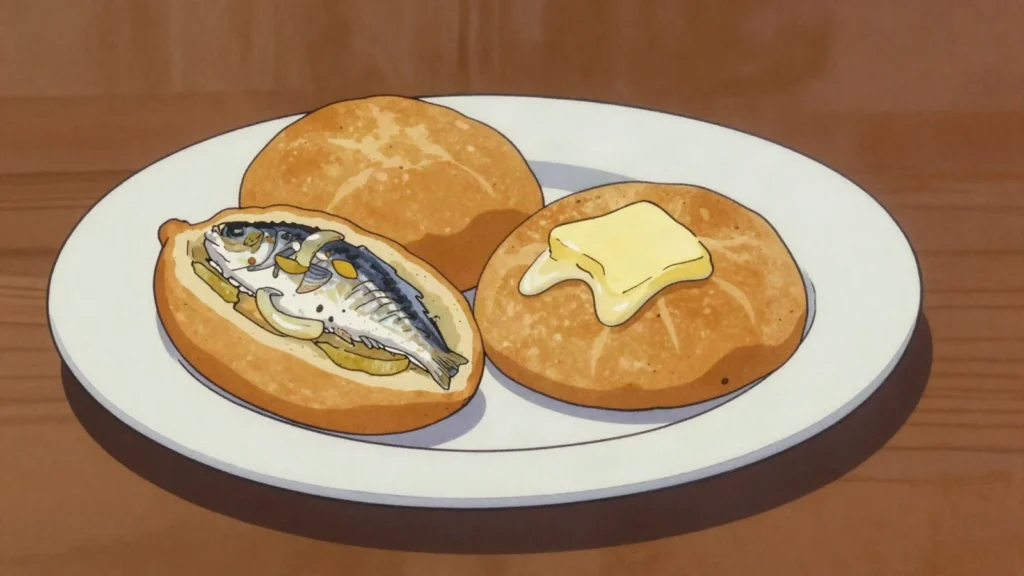
- split and filled with saltfish, cheese, or corned beef
- with butter and jam
- with cocoa tea
Directions
- Rub the cold butter into the flour, baking powder, sugar and salt until it looks like coarse crumbs. Rubbing the fat in before the liquid shortens the dough and keeps it tender rather than tough.
- Use cold fat, which stays in small pieces rather than melting into the flour. Add water or milk gradually and bring it together into a soft dough. Use as little liquid as will bring it together, since a wet dough absorbs far more oil in the fryer. Now the kneading, which should be brief.
- Knead it for only a minute or two, just until it is smooth. Do not knead it at length, since developing the gluten makes bakes tough and chewy rather than light.
- Cover the dough and let it rest for twenty minutes. Divide the dough into eight pieces and roll each into a ball, then flatten it to about a centimetre thick. Keep them fairly thick, since a thin bake fries into something more like a biscuit and will not split open. Prick each round two or three times with a fork.
- Heat the oil to about 175°C, with enough depth for the bakes to float. Test with a scrap of dough, which should rise immediately and sizzle steadily. Fry them two or three at a time, turning them once, for about three minutes a side. Do not crowd the pan, which drops the temperature sharply.
- Break one open: the inside should be cooked through, soft and slightly steamy, with no raw dough. A bake that is golden outside and raw within means the oil was too hot, so lower it for the next batch.
- Drain them on a rack rather than paper, so they do not go soggy underneath. Roll them slightly thinner and bake at 200°C for fifteen to eighteen minutes until risen and golden. The baked version is drier and lighter and it keeps better than the fried one.
Technique
- Most Caribbean bakes are fried despite the name.
- They are raised with baking powder, so there is no proving.
- Knead only briefly, since worked dough makes them tough.
Substitutions
- Margarine in place of butter, which is common.
- Water in place of milk, which gives a plainer bake.
Variations
- Baked rather than fried, which is drier.
- Made with coconut milk in the dough.
- Made sweeter, as a snack with jam.
History
An everyday Kittitian breakfast bread cooked quickly in a pan when there is no time for a loaf.
Frequently asked questions
What is Bakes?
Bakes is a bread & pastry from Saint Kitts and Nevis: rounds of dough fried or baked, split and filled with saltfish or cheese. An everyday Kittitian breakfast bread cooked quickly in a pan when there is no time for a loaf.
How long does Bakes take to make?
Bakes takes 20 min plus 20 min resting of preparation and 20 min of cooking. The recipe makes 8 bakes. It is rated easy to make.
What can I substitute in Bakes?
Yes, within limits. Margarine in place of butter, which is common. Water in place of milk, which gives a plainer bake.
What is the most important thing to get right in Bakes?
Rub the cold butter into the flour, baking powder, sugar and salt until it looks like coarse crumbs. Rubbing the fat in before the liquid shortens the dough and keeps it tender rather than tough.