Ingredients
Dough
- 500 gplain flour
- 7 gdried yeast
- 60 gsugar
- 1 teaspoonsalt
- 300 mlwarm water
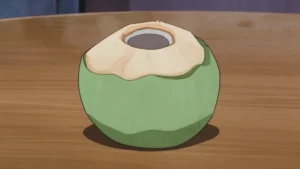
- or 300 ml warm coconut milk
- 2 tablespoonsoil
To fry
- neutral oil, for deep frying
To serve
- butter
- jam
- sugar, for dusting
- hot tea
Directions
- Butter, jam or plain sugar go with it. The dough is a soft yeasted one rather than a batter. Warm the water or coconut milk until it is lukewarm. It should feel neutral against the inside of your wrist. Stir the yeast and a spoonful of the sugar into it. Leave it for ten minutes until it froths on top. No froth means the yeast is dead and should be replaced.
- Put the flour, remaining sugar and salt in a large bowl. Pour in the yeasted liquid and the oil. Bring it together into a soft dough. Kneading it takes about eight minutes. Turn the dough onto a lightly floured surface.
- Knead it steadily until it is smooth and elastic. It should be soft and only slightly tacky. Oil the bowl and turn the dough in it. Cover it over with a damp cloth. Leave it somewhere warm until it has doubled. Fiji is warm enough that this happens quickly. Divide it into about twenty pieces. Roll each into a ball and then flatten it. Make them about a centimetre thick.
- Let them rest for fifteen minutes under a cloth. Heating the oil needs care and attention. Pour oil into a deep pan to about eight centimetres. Never fill a pan more than halfway with oil.
- Heat it to about 175C and check it with a thermometer. A small piece of dough should sizzle and rise at once. Keep a lid within reach in case the oil catches fire. Never pour water onto burning oil under any circumstances.
- Turn them with a slotted spoon as they colour. Fry them for about three minutes on each side. They should be deep golden brown and well risen. Break one open to check the first batch. The inside should be light and fully cooked. Lift them onto a wire rack rather than kitchen paper.
- Let the oil come back to temperature between batches. Serving them is always done hot. Spread butter inside so it melts through. Add jam or dust them with sugar. Serve plenty of hot tea alongside. They are best within an hour of frying. Warm them briefly in a low oven to revive them.
Technique
- Wheat flour reached Fiji with traders and missionaries in the nineteenth century and changed the everyday diet considerably.
- Fried breads of this kind are now standard across the Pacific under many different names.
Substitutions
- Coconut milk in place of water gives a richer dough and is widely used.
- The sugar can be reduced for a plainer bread eaten with savoury food.
Variations
- Some households make it much sweeter and eat it as a doughnut.
- A version with grated coconut worked into the dough is made in some villages.
- Similar fried breads are called panikeke and by other names across the Pacific.
History
Fried breads spread through Fiji once traders and missionaries introduced wheat flour, and babakau became the standard village teatime food.
Frequently asked questions
What is Babakau?
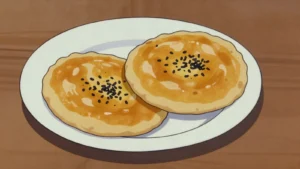
Babakau is a bread & pastry from Fiji: puffy fried dough eaten hot with tea, jam or butter at any time of day. Fried breads spread through Fiji once traders and missionaries introduced wheat flour, and babakau became the standard village teatime food.
How long does Babakau take to make?
Babakau takes 20 minutes plus 1 hour rising of preparation and 25 minutes of cooking. The recipe makes about 20 pieces. It is rated easy to make.
What can I substitute in Babakau?
Yes, within limits. Coconut milk in place of water gives a richer dough and is widely used. The sugar can be reduced for a plainer bread eaten with savoury food.
What is the most important thing to get right in Babakau?
Butter, jam or plain sugar go with it. The dough is a soft yeasted one rather than a batter. Warm the water or coconut milk until it is lukewarm. It should feel neutral against the inside of your wrist. Stir the yeast and a spoonful of the sugar into it. Leave it for ten minutes until it froths on top. No froth means the yeast is dead and should be replaced.