
Ingredients
What goes into the brew
- Pale malted barley, imported into Vanuatu, as the base malt
- A small proportion of unmalted adjunct for lightness of body
- Noble or Pacific hop varieties, for bitterness at 15–20 IBU and a light aroma charge
- Lager yeast (Saccharomyces pastorianus), bottom-fermenting
- Treated local water, the largest ingredient by far
To serve
- 1x 330 ml bottle Tusker Lager, chilled to 3–5 C
- 1chilled straight glass, or drink from the bottle as most people do
- Salty snacks, or a plate of rice and island greens
Directions
- Malted barley is milled and mashed with hot water at about 65°C (150°F) for an hour, converting starch into fermentable sugars and producing a sweet wort.
- The wort is lautered off the spent grain, then boiled for 60–75 minutes with hops added at the start for bitterness and near the end for aroma. The boil also sterilises the wort and drives off unwanted volatiles.
- It is cooled rapidly to 10–12°C (50–55°F), aerated, and pitched with lager yeast; rapid cooling is critical in a tropical brewery, where warm wort spoils fast.
- Primary fermentation runs cool at 10–12°C (50–55°F) for 7–10 days, which is what makes it a lager rather than an ale, giving a clean profile with almost no fruity esters.
- A diacetyl rest is held for a day or two at slightly warmer temperature so the yeast reabsorbs the butterscotch compounds it made during fermentation.
- The beer is then lagered, stored near 0°C (30°F) for 2–3 weeks, during which yeast and haze drop out and the flavour rounds off and becomes crisp.
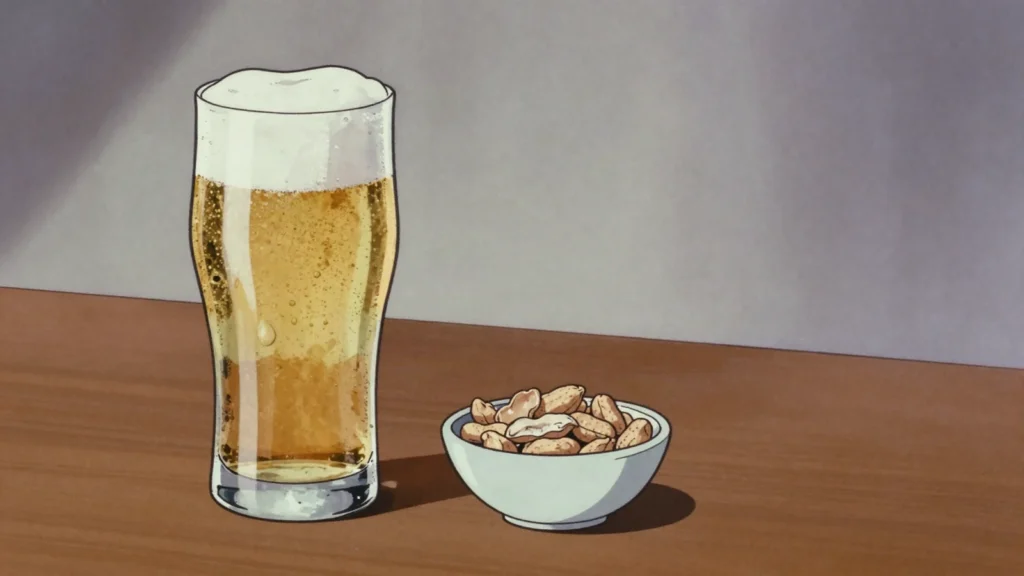
- It is filtered, carbonated to about 2.5 volumes, pasteurised and bottled or canned at roughly 4% abv, pale straw in colour with a white head.
- Serve it very cold, at 3–5 C, straight from the ice box. In Port Vila it is drunk after the evening kava shells, and its light body and low bitterness are designed for heat and humidity.
Technique
- Tusker is brewed by the Vanuatu Brewing Company in Port Vila and named for the curved-tusk boar, the national symbol that appears on the flag. It is not the same beer as Kenya’s Tusker, which is a separate brand.
- Tropical lagers are built to be drunk cold and fast: pale, low in bitterness, lightly carbonated and around 4% abv. Judging one by craft-beer standards misses the point.
- Home brewers should note that lagering needs steady cold storage. Without a fridge you can hold near 0°C (30°F) for weeks, the yeast will not clean up properly and the beer will taste rough.
Substitutions
- Cannot get Tusker? Any clean tropical pale lager, such as a Pacific island or South East Asian lager, drinks the same way.
- For a home version, brew a simple pilsner malt lager at 4% abv with a single Saaz-type hop and lager it 3 weeks at 1°C (35°F).
Variations
- Tusker Draught, the everyday bottle sold across the islands.
- Tusker Premium, slightly fuller and marketed to visitors.
- Vanuatu Bislama, the local stout-styled dark alternative from the same brewery.
History
Brewed in Nairobi since 1922 by the Hurst brothers; it was named Tusker after George Hurst was killed by an elephant on a hunt.
Frequently asked questions
What is Tusker?
Tusker is a wine & spirit from Kenya: pale lager with an elephant on the label, the default Kenyan beer. Brewed in Nairobi since 1922 by the Hurst brothers; it was named Tusker after George Hurst was killed by an elephant on a hunt.
How long does Tusker take to make?
Tusker takes 5 min of preparation and Brewing and lagering, 3–4 weeks of cooking. The recipe makes describes a commercial beer; 1 bottle serves 1. It is rated hard to make.
What can I substitute in Tusker?
Yes, within limits. Cannot get Tusker? Any clean tropical pale lager, such as a Pacific island or South East Asian lager, drinks the same way. For a home version, brew a simple pilsner malt lager at 4% abv with a single Saaz-type hop and lager it 3 weeks at 1°C (35°F).
What is the most important thing to get right in Tusker?
Primary fermentation runs cool at 10–12°C (50–55°F) for 7–10 days, which is what makes it a lager rather than an ale, giving a clean profile with almost no fruity esters.