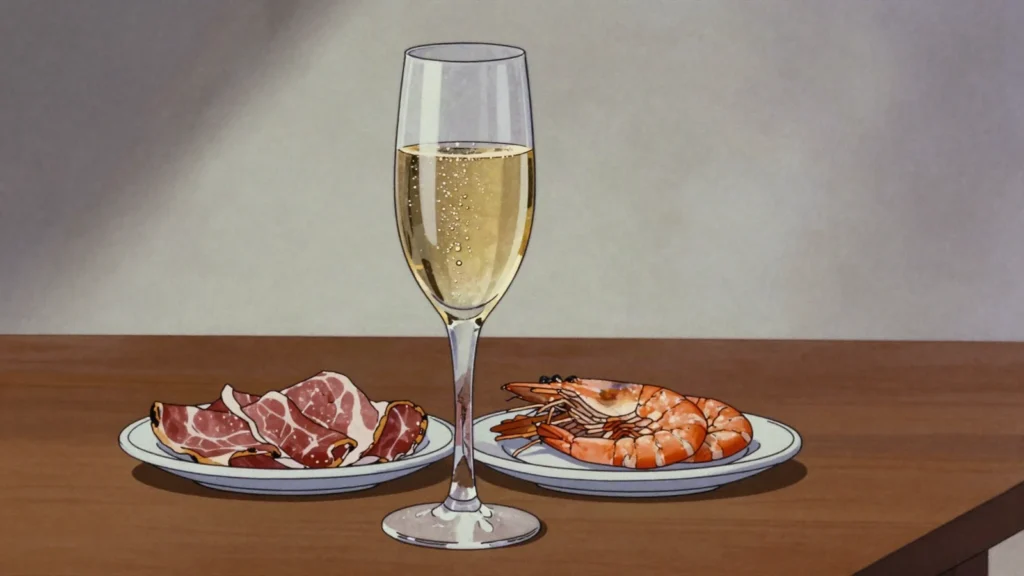

Traditional-method sparkling wine, mostly from Catalonia’s Penedès. Josep Raventós of Codorníu made the first bottle-fermented Spanish sparkling wine in 1872 after visiting Champagne, and the name Cava was adopted in 1970.
It is a protected appellation made in licensed underground cellars, and the second fermentation happens under several atmospheres of pressure in a sealed bottle.
What goes into it
- Macabeo, Xarel·lo and Parellada grapes
- yeast
- liqueur de tirage and dosage
How it is made
A dry base wine is blended and bottled with sugar and yeast, and a second fermentation runs inside the sealed bottle, trapping the carbon dioxide. The bottles rest on their lees in cool underground cellars — the cavas the wine is named for — for at least nine months, then are riddled, disgorged, topped up and corked.
How long it takes: nine months minimum on the lees; thirty for Gran Reserva
How it is eaten
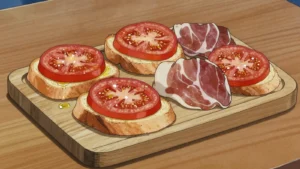
Cold as an aperitif, with tapas, jamón and seafood.
History
Josep Raventós of Codorníu made the first bottle-fermented Spanish sparkling wine in 1872 after visiting Champagne; the name Cava was adopted in 1970.
Frequently asked questions
What is Cava?
Cava is a wine & spirit from Spain: traditional-method sparkling wine, mostly from Catalonia’s Penedès. Josep Raventós of Codorníu made the first bottle-fermented Spanish sparkling wine in 1872 after visiting Champagne; the name Cava was adopted in 1970.
How is Cava made?
A dry base wine is blended and bottled with sugar and yeast, and a second fermentation runs inside the sealed bottle, trapping the carbon dioxide. The bottles rest on their lees in cool underground cellars — the cavas the wine is named for — for at least nine months, then are riddled, disgorged, topped up and corked. It takes nine months minimum on the lees; thirty for Gran Reserva.
Can I make Cava at home?
No, and the atlas gives no method for it. It is a protected appellation made in licensed underground cellars, and the second fermentation happens under several atmospheres of pressure in a sealed bottle.
What goes into Cava?
Macabeo, Xarel·lo and Parellada grapes, yeast, liqueur de tirage and dosage.
How is Cava eaten?
Cold as an aperitif, with tapas, jamón and seafood.