
A banana-based distilled gin and Uganda’s national spirit. The name comes from the colonial phrase war gin; home distillers made it from bananas or millet, and a commercial Uganda Waragi has been produced since 1965.
Unlicensed distilling is illegal in Uganda, and the country records methanol poisoning deaths from village waragi most years — the cut is exactly what prevents that.
What goes into it
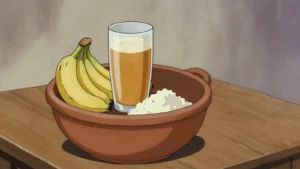
- bananas, cassava or millet
- juniper and botanicals, for the commercial gin
- water
How it is made
The commercial version ferments and distils a base spirit and then redistils it with juniper and botanicals in a licensed plant. The village version is a banana or millet mash fermented in drums and run through an improvised still with nothing cut away, and it is the one associated with the country’s periodic mass poisonings.
How long it takes: days to ferment and distil
How it is eaten
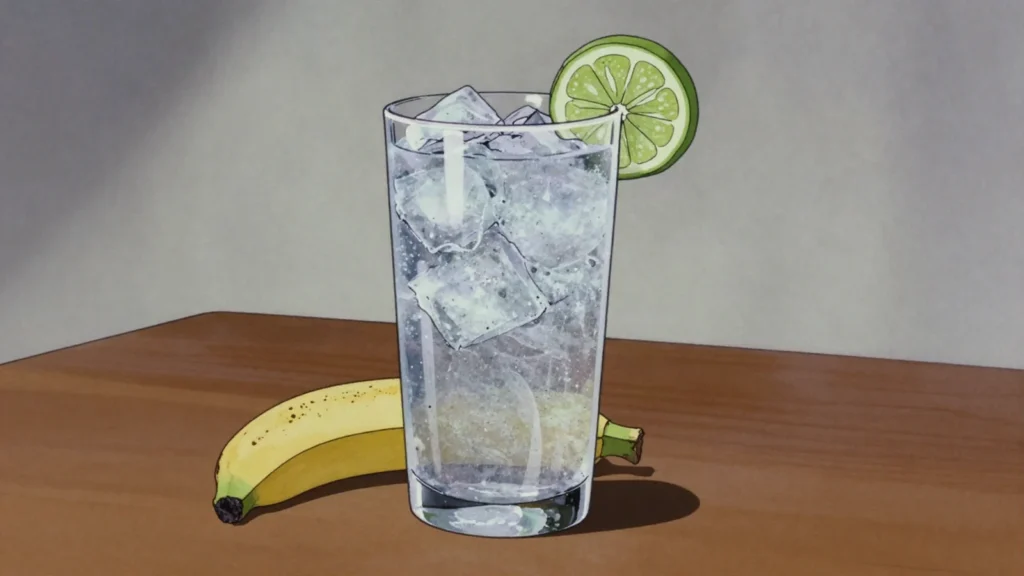
Neat in a sachet or a small glass, or with tonic in the commercial form.
History
From the colonial phrase war gin; home distillers made it from bananas or millet, and a commercial Uganda Waragi has been produced since 1965.
Frequently asked questions
What is Waragi?
Waragi is a wine & spirit from Uganda: banana-based distilled gin, Uganda’s national spirit. From the colonial phrase war gin; home distillers made it from bananas or millet, and a commercial Uganda Waragi has been produced since 1965.
How is Waragi made?
The commercial version ferments and distils a base spirit and then redistils it with juniper and botanicals in a licensed plant. The village version is a banana or millet mash fermented in drums and run through an improvised still with nothing cut away, and it is the one associated with the country’s periodic mass poisonings. It takes days to ferment and distil.
Can I make Waragi at home?
No, and the atlas gives no method for it. Unlicensed distilling is illegal in Uganda, and the country records methanol poisoning deaths from village waragi most years — the cut is exactly what prevents that.
What goes into Waragi?
Bananas, cassava or millet, juniper and botanicals, for the commercial gin, water.
How is Waragi eaten?
Neat in a sachet or a small glass, or with tonic in the commercial form.