
Ingredients
In the vineyard
- Vidal, Riesling or Cabernet Franc grapes, left hanging after the normal harvest
- Bird netting, to protect the fruit through autumn
- Air temperature of -8°C (18°F) or colder, sustained, for picking
In the winery
- Pressed juice at a minimum of 35 Brix
- Cold-tolerant wine yeast
- Months of cool, slow fermentation to 9 to 13 percent alcohol and 180 to 260 g/L residual sugar
To serve
- 50to 75 ml per person
- Small white wine glasses
- Serving temperature of 10 to 12°C (55°F)
Directions
- After the ordinary harvest, selected rows are netted and the fruit is left on the vine through November and December, losing water and concentrating sugar and acid while the growers watch the forecast and the birds.
- Picking happens when the air holds at -8°C (18°F) or below, which in Ontario and British Columbia usually means somewhere between December and February, often between midnight and dawn. Canadian VQA rules make that temperature and natural freezing a legal requirement.
- The frozen bunches are picked by hand and taken straight to the press while still rock hard. If they thaw, the batch is lost.
- They are pressed frozen: the water in the berries stays behind as ice crystals and only a few drops of intensely concentrated juice come out — often a tenth of the normal yield, which is why the bottles are small and expensive.
- The must, at 35 Brix or higher, is inoculated with a cold-tolerant yeast. It ferments very slowly and reluctantly at low temperature, sometimes for months, because the sugar concentration stresses the yeast.
- Fermentation is stopped by chilling and filtering while a great deal of sugar remains, leaving 9 to 13 percent alcohol and 180 to 260 g/L of residual sugar, balanced by naturally high acidity.
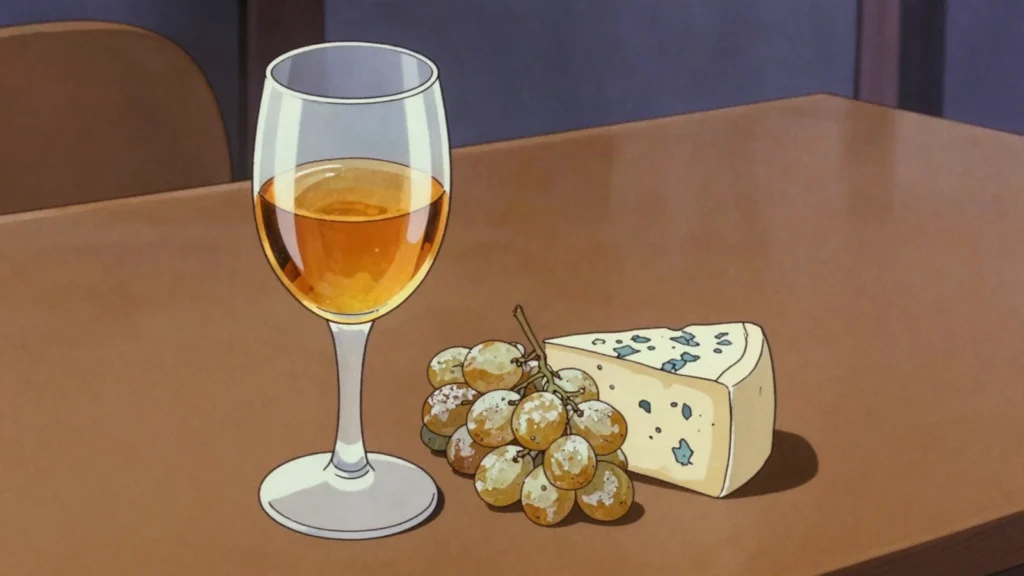
- Serve chilled to 10 to 12°C (55°F), not ice cold, in small white wine glasses. Vidal shows apricot, mango and honey; Riesling is tighter and more citrus and petrol; Cabernet Franc icewine is pink and tastes of strawberry and rhubarb.
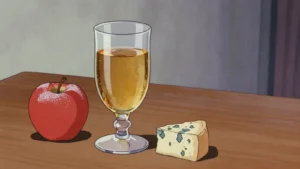
- Pour 50 to 75 ml per person as a dessert on its own, or with a sharp blue cheese or a simple fruit tart. An opened bottle keeps a week refrigerated.
Technique
- Canada is the largest producer of icewine in the world, with Niagara’s reliable deep freeze giving it an advantage over Germany and Austria, where the style originated and where a hard winter can no longer be counted on.
- Grapes frozen in a commercial freezer make a wine that cannot legally be called icewine in Canada, only ‘iced wine’ or dessert wine. The distinction matters: natural on-vine freezing dehydrates and changes the fruit over months, which a freezer cannot replicate.
- This is not a home project. Beyond the equipment, the yields and the temperature control involved put it firmly in the hands of licensed wineries.
Substitutions
- If you cannot find icewine, a German Beerenauslese or a Hungarian Tokaji Aszú 5 puttonyos give comparable sweetness with high acidity, though each has its own character.
Variations
- Sparkling icewine, given a second fermentation, is a Niagara speciality.
- Red icewine from Cabernet Franc is rarer, deeper coloured, and tastes of red fruit rather than tropical fruit.
History
Walter Hainle made Canada’s first icewine in British Columbia in 1973; Inniskillin’s 1989 Vidal won the Grand Prix d’Honneur at Vinexpo 1991.
Frequently asked questions
What is Icewine?
Icewine is a wine & spirit from Canada: intensely sweet wine pressed from grapes left to freeze solid on the vine. Walter Hainle made Canada’s first icewine in British Columbia in 1973; Inniskillin’s 1989 Vidal won the Grand Prix d’Honneur at Vinexpo 1991.
How long does Icewine take to make?
Icewine takes 5 min to serve of preparation and Vineyard process: harvest at -8°C (18°F), then 2 to 6 months of fermentation of cooking. The recipe makes one 375 ml bottle serves 6 to 8. It is rated hard to make.
What can I substitute in Icewine?
Yes, within limits. If you cannot find icewine, a German Beerenauslese or a Hungarian Tokaji Aszú 5 puttonyos give comparable sweetness with high acidity, though each has its own character.
What is the most important thing to get right in Icewine?
They are pressed frozen: the water in the berries stays behind as ice crystals and only a few drops of intensely concentrated juice come out — often a tenth of the normal yield, which is why the bottles are small and expensive.