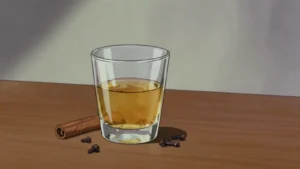

A rum-style spirit distilled from sugar beet rather than cane, developed in Bohemia as a domestic substitute when imported rum was expensive. EU rules later forced the word rum off the label, and it is used in grog and in baking as much as it is drunk.
It is a commercial product built on a distilled base spirit and a proprietary flavouring, and distilling without a licence is a criminal offence.
What goes into it
- sugar beet molasses or neutral spirit
- rum essence and caramel
- water
How it is made
Beet-derived alcohol is diluted and flavoured with rum essence and caramel to imitate a cane rum, then filtered and bottled. It is not aged; the flavour is added rather than developed, which is exactly what the EU labelling rules objected to.
How long it takes: blended and bottled; no ageing
How it is eaten
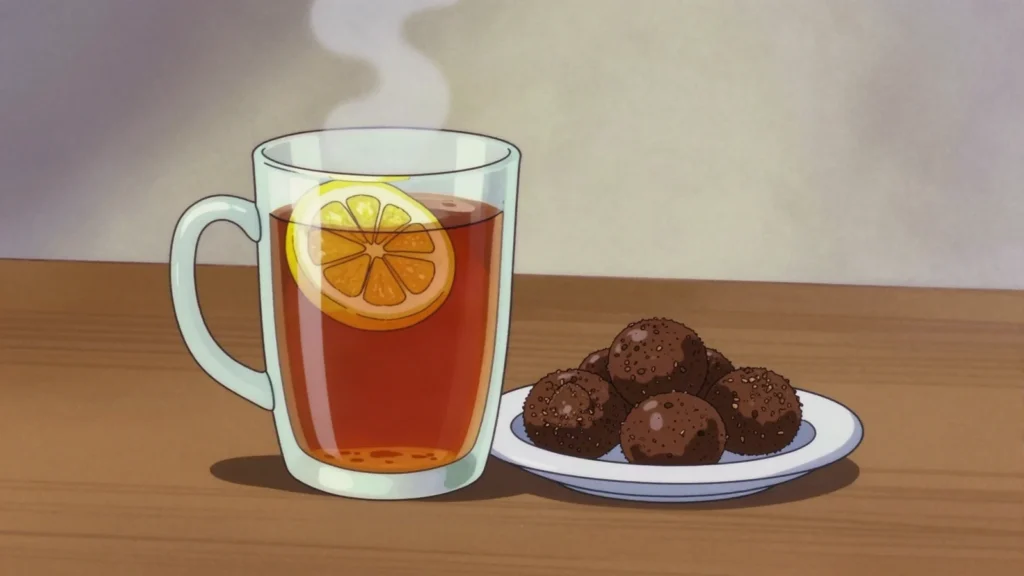
In hot grog with lemon, in punch, and in Czech baking — rum balls and cakes.
History
Developed in Bohemia as a domestic substitute for cane rum; EU rules later forced the rum name off the label.
Frequently asked questions
What is Tuzemák?
Tuzemák is a wine & spirit from Czechia: rum-style spirit distilled from sugar beet, used in grog and baking. Developed in Bohemia as a domestic substitute for cane rum; EU rules later forced the rum name off the label.
How is Tuzemák made?
Beet-derived alcohol is diluted and flavoured with rum essence and caramel to imitate a cane rum, then filtered and bottled. It is not aged; the flavour is added rather than developed, which is exactly what the EU labelling rules objected to. It takes blended and bottled; no ageing.
Can I make Tuzemák at home?
No, and the atlas gives no method for it. It is a commercial product built on a distilled base spirit and a proprietary flavouring, and distilling without a licence is a criminal offence.
What goes into Tuzemák?
Sugar beet molasses or neutral spirit, rum essence and caramel, water.
How is Tuzemák eaten?
In hot grog with lemon, in punch, and in Czech baking — rum balls and cakes.