
Ingredients
The caterpillars
- 300 gdried mopane worms
- gutted and dried
- warm water, to rehydrate
The pot
- 2onions, chopped
- 3tomatoes, chopped
- 3 tablespoonsoil
- 2garlic cloves, crushed
- 1stock cube
- salt and black pepper
Or to fry
- oil, for shallow frying
- salt
- chilli powder
To serve
- with pap or porridge
- or alone as a snack
Directions
- Discard any that smell mouldy. Keep them all sealed and quite dry. Put the dried worms in a bowl. Cover them all with warm water. Let them soak for about thirty minutes. Thirty minutes is usually enough. Soak them for longer if they are. Rinse them thoroughly after soaking.
- Rinse them in a few changes of water. Draining them is straightforward enough. Drain them all very thoroughly. Pat them dry if you are frying them. Heat the oil in a heavy deep pot. Add all the chopped onions to it. Cook them for a good eight minutes.
- Add the crushed garlic to the pot. Cook it for one full minute only. Add the chopped tomatoes to the pot. Cook them down for about eight minutes. The tomato should break down completely.
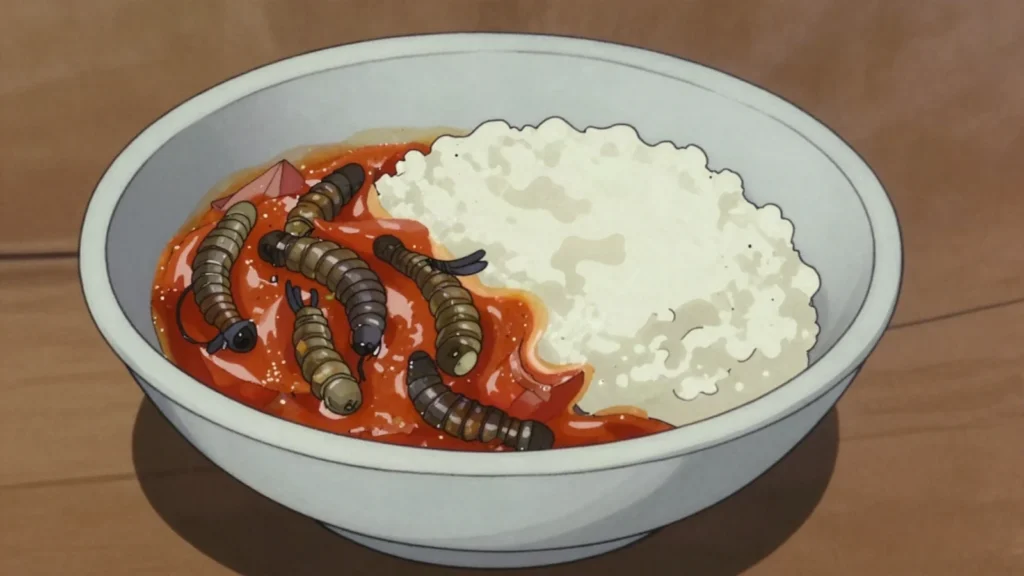
- Add the drained worms to the pot. Turn them through the tomato base. Add the stock cube to the pot. Season it with salt and black pepper. Add a little water if it is dry.
- Let it simmer for about fifteen minutes. They also take up the flavour. Heat the oil in a heavy frying pan. Add all the dried worms to it. They are fried dry until crisp. Fry them for about five minutes.
- Stir them regularly throughout. They burn if they are left too long. Drain them all on kitchen paper. Season them with salt and chilli powder. Serving them is done hot or cool.
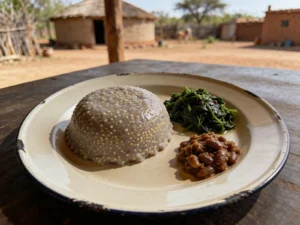
- Serve the stewed ones with pap. Serve the fried ones alone as a snack. Pap is the stiff maize porridge.
Technique
- They are the caterpillar of a large moth that feeds only on mopane leaves — not a worm, despite the English name. They are ordinary food across southern Africa, eaten by millions, sold in markets and very high in protein and iron. Harvesting brings real income, often to women, and the dried product is traded widely as a cash crop as much as a food.
- They are normally bought already processed: gutted at harvest to squeeze out the bitter partly-digested leaves, boiled in salted water and sun-dried. Good dried worms are dry and firm and smell savoury; discard any that are damp or smell musty or mouldy, and keep them sealed and dry.
- Heavy harvesting can reduce populations, which is a documented concern in the region, and some areas manage the harvest for it.
Substitutions
- Fried dry without rehydrating gives a crisp snack salted like crisps, often with chilli; stewed after soaking gives a chewy relish. Both are genuinely used in Namibia.
- Pat them dry before frying, since wet food spits violently in hot oil.
Variations
- Rinse them in a few changes of water after soaking, since grit and sand collect during drying.
- They stay chewy however long they are stewed, which is characteristic rather than undercooking.
- The stewed version is eaten as a relish with pap, the stiff maize porridge, which is the everyday meal.
History
Mopane caterpillars harvested from mopane woodland, gutted and dried; a seasonal protein and a cash crop for northern households.
Frequently asked questions
What is Omagungu?
Omagungu is a snack from Namibia: mopane worms dried, fried or stewed. Mopane caterpillars harvested from mopane woodland, gutted and dried; a seasonal protein and a cash crop for northern households.
How long does Omagungu take to make?
Omagungu takes 20 minutes of preparation and 30 minutes of cooking. The recipe makes serves 4. It is rated medium to make.
What can I substitute in Omagungu?
Yes, within limits. Fried dry without rehydrating gives a crisp snack salted like crisps, often with chilli; stewed after soaking gives a chewy relish. Both are genuinely used in Namibia. Pat them dry before frying, since wet food spits violently in hot oil.