A normal food for a large share of the world’s population and an exotic one for the rest — eaten in around two thousand species across Africa, Asia and Latin America.
Where it comes from
Insects are gathered and, increasingly, farmed across Mexico, Thailand, southern Africa, the Andes and much of Central Africa. Mopane worms in southern Africa and chapulines in Oaxaca are market staples with their own seasons and grading, not novelties.
Where they are eaten, they are eaten because they are good and available, and often because they arrive in enormous seasonal numbers — a termite flight or a locust swarm is a harvest. The framing of insects as survival food is an outsider’s framing.
Varieties
- Mopane worms — Emperor moth caterpillars from southern Africa. Gutted, dried, then rehydrated and stewed or fried.
- Chapulines — Oaxacan grasshoppers, toasted with lime, chilli and salt.
- Crickets — Mild and nutty toasted; also milled to flour.
- Escamoles — Ant larvae from agave roots in central Mexico. Soft, buttery, and expensive.
- Palm weevil grubs — Fat and rich, grilled or fried across West Africa, the Amazon and Southeast Asia.
- Termites and flying ants — Caught during nuptial flights and fried or dried; strongly seasonal.
In the kitchen
Most edible insects are toasted, fried or dried, which is about texture rather than caution — the crisp exterior is the point, and steamed insects have little to recommend them.
Larger insects are usually degutted before cooking, and legs and wings are removed from grasshoppers and locusts because they catch in the throat.
Choosing and keeping
People allergic to shellfish are often allergic to insects too — the same tropomyosin protein is behind both. This is a real cross-reaction, not a theoretical one.
Dishes with insect
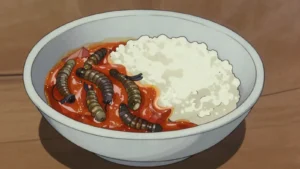 Omagungumopane worms dried, fried or stewed
 Witchetty GrubFat wood-moth larva dug from roots, eaten raw or roasted until nutty and crisp
 ChenillesForest caterpillars dried or fried, eaten by the handful with cassava
 A PingWhole tarantulas fried with garlic and salt until crisp outside and soft inside
 Palm weevil larvaeFat white grubs from felled palms, skewered and grilled until crisp outside
 PaloloSea worms swarming once a year, scooped by net and eaten raw or fried on toast
 Casu marzuSardinian sheep cheese deliberately colonised by live cheese-fly larvae
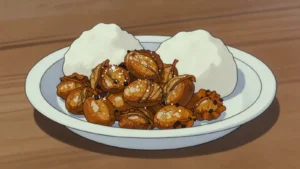 NgumbiFlying termites caught at the first rains and fried crisp in their own fat
Insect is tagged on 27 dishes from 22 countries in the atlas. These notes are written from general knowledge and carry no per-fact citation — see About.