
Ingredients
What is in the square bottle
- Molasses and cane spirit from Tanzanian sugar estates
- Yeast, for the molasses wash
- Water, demineralised for blending
- A light botanical infusion, which is why it noses faintly of gin without being one
- Alcohol by volume: 35 percent, deliberately below the level at which it must be labelled a spirit in some markets
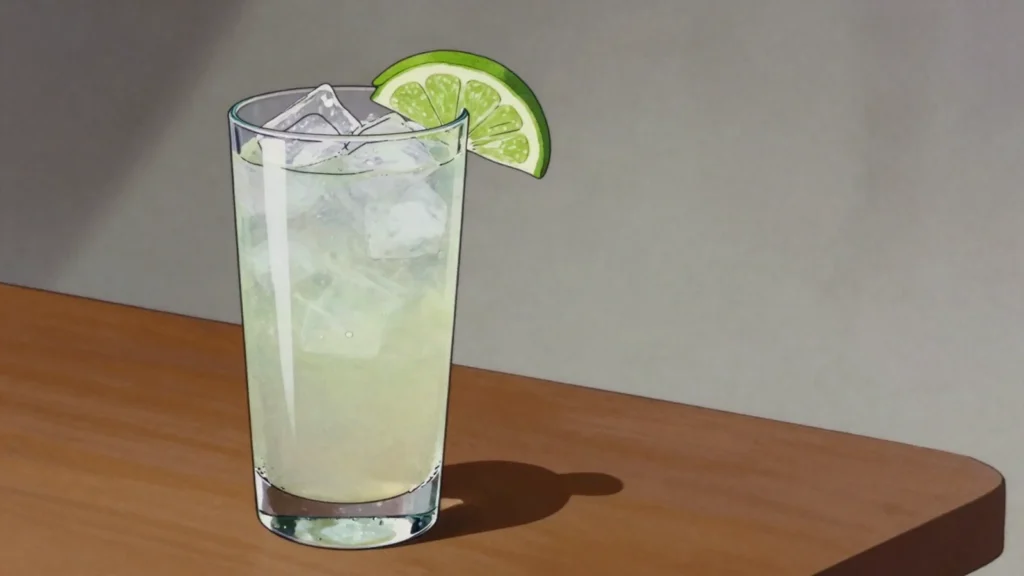
To serve, Konyagi na soda
- 50 mlKonyagi
- 150 mllemonade, soda water or bitter lemon
- a tall glass full of ice
- 1generous wedge of lime, squeezed in and dropped
To serve, the sachet way
- 1Konyagi sachet or a measure over ice
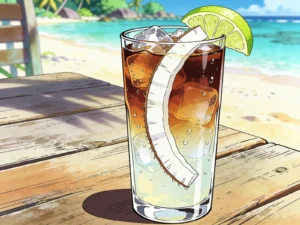
- a cold Coca-Cola or Fanta passion
- a plate of roasted cashews or grilled maize alongside
Directions
- Know the product: Konyagi is made by Tanzania Distilleries in Dar es Salaam, has been on sale since the 1960s, and its square bottle is one of the most recognisable objects in Tanzanian retail.
- At the plant, molasses left over from Tanzanian sugar milling is diluted to a fermentable wash and pitched with yeast, fermenting for two to three days in the warm climate.
- The wash is distilled in a continuous column still, producing a high-strength, near-neutral cane spirit with most congeners stripped out.
- That spirit is rectified again and cut with demineralised water, then given a light botanical character, which is where the faint juniper-and-citrus note comes from.
- It is bottled at 35 percent, and the label calls it a spirit drink rather than a gin, which is both a regulatory position and part of the brand’s identity.
- Serve it long and very cold: pack a tall glass with ice, pour 50 ml, and top with lemonade, soda or bitter lemon.
- Squeeze a lime wedge over the top and drop it in, then stir once with a long spoon. The lime is not optional in Tanzania.
- Drink it with food, most often at a bar over a long evening with grilled snacks and kachumbari, and never neat at room temperature, which is when its rough edges show.
Technique
- Konyagi is sold in bottles, sachets and small flat flasks, and the sachets in particular made it the default cheap spirit across the country, to the point of periodic public health debate.
- It is not a gin. The botanical treatment is light and the spirit is deliberately soft, so gin cocktails made with it taste thinner than expected.
- At 35 percent it is weaker than most white spirits, which is exactly why it is mixed long and drunk over a whole evening.
Substitutions
- Outside Tanzania, look for it in African grocers; a light, clean cane spirit or a soft London dry over ice with lime and lemonade gives a similar drink.
- For a non-alcoholic version in the same role, Tanzanians drink Stoney Tangawizi, fierce ginger beer, over ice with lime.
Variations
- Konyagi na Stoney, mixed with ginger beer, the most common bar order.
- Konyagi with bitter lemon and plenty of lime, the coastal version.
- Konyagi Sekelela, the flavoured line sold alongside the original square bottle.
History
Distilled in Dar es Salaam since the 1960s and legally classed as a spirit rather than gin; its slogan calls it the spirit of the nation.
Frequently asked questions
What is Konyagi?
Konyagi is a wine & spirit from Tanzania: clear sugarcane spirit in a square bottle, drunk with soda and lime. Distilled in Dar es Salaam since the 1960s and legally classed as a spirit rather than gin; its slogan calls it the spirit of the nation.
How long does Konyagi take to make?
Konyagi takes 5 min of preparation and Continuous industrial distillation of cooking. The recipe makes 1 bottle, 700 ml. It is rated easy to make.
What can I substitute in Konyagi?
Yes, within limits. Outside Tanzania, look for it in African grocers; a light, clean cane spirit or a soft London dry over ice with lime and lemonade gives a similar drink. For a non-alcoholic version in the same role, Tanzanians drink Stoney Tangawizi, fierce ginger beer, over ice with lime.
What is the most important thing to get right in Konyagi?
It is bottled at 35 percent, and the label calls it a spirit drink rather than a gin, which is both a regulatory position and part of the brand’s identity.